



Automobiles and Motorcycles
Combining technology and stylistic heritage, the Italian automotive industry makes its mark on the global economy, with integrated supply chains, competitive districts, strong integration into European manufacturing, globally recognized brands, and a vocation for exporting to high-potential markets. Driven by iconic design and advanced manufacturing expertise, Italy's automotive and motorcycle industries continue to be a strategic driver of growth, innovation, and competitiveness, while playing a crucial role in strengthening the country's position in global value chains.
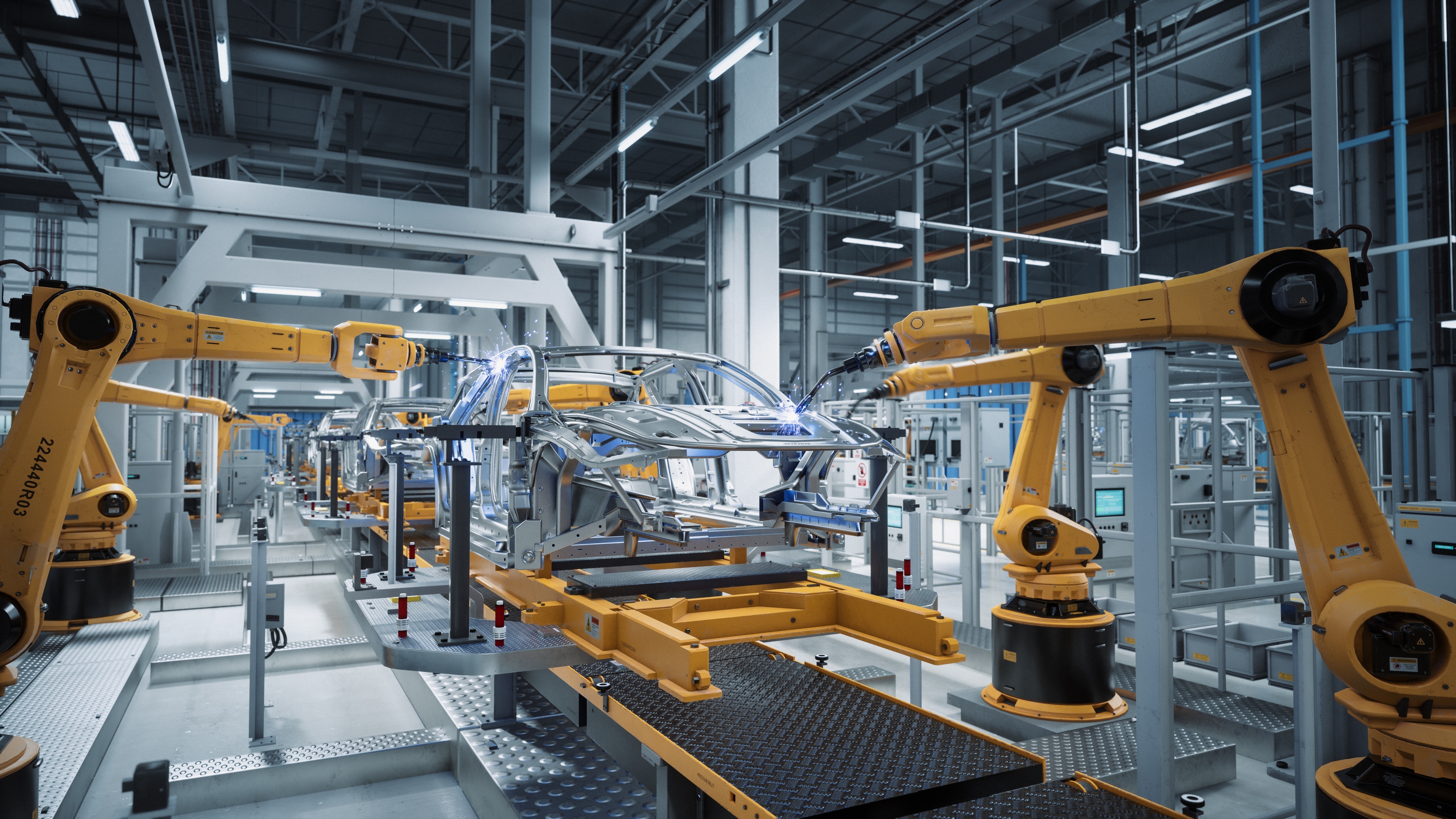
From an industrial perspective, Italy's automotive industry remains one of the pillars of the country's manufacturing sector, retaining a strong competitive position through its flexible supply chain, technological integration in the mechatronics field, and increasing focus on the green transition.
At the end of 2025, Italy's automotive industry comprised 3,001 companies operating in the passenger and commercial vehicle sector, employing 147,178 people directly. In addition, 371 companies were engaged in motorcycle manufacturing, with a further 10,841 employees.
Italy's automotive industry in figures
In terms of foreign trade, motor vehicle exports totaled €16.1 billion in 2025, down 11.0% from the previous year.
Sources: Cassa Depositi e Prestiti, Il futuro della filiera automotive italiana: come restare competitivi ("The future of the Italian automotive supply chain: how to remain competitive"); Camera di Commercio delle Marche, Open Data Explorer - Demografia delle Imprese in Italia (Imprese attive, Quote, Divisione 29) ("Open Data Explorer - Business Demographics in Italy (Active Businesses, Shares, Division 29)"), 12/31/2025; Osservatorio TEA ("TEA Observatory"), Osservatorio sulle trasformazioni dell'ecosistema automotive italiano 2025 ("Observatory on the Transformation of the Italian Automotive Ecosystem 2025"); ANFIA, Focus Italia Trade Automotive Dicembre 2025 ("Focus on Italy's Automotive Trade, December 2025").
Main subsectors
Italy's automotive industry is built on one of the country's most complex and strategically important manufacturing supply chains, supported by a long-standing tradition of mechanical engineering, design, and innovation. The updated mapping of the industry's subsectors provides insight into their areas of specialization, strengths, and challenges. Despite cyclical and structural challenges, the industry continues to demonstrate strong competitive potential, thanks to its specialized manufacturing expertise and its ability to compete in high-value niche markets.
From a manufacturing perspective, the industry comprises motor vehicle manufacturing (ATECO 29.1) and the downstream supply chain, which includes the manufacture of motor vehicle bodies, trailers, and semitrailers (29.2), as well as parts and accessories manufacturing (29.3). This is accompanied by the production of motorcycles (30.91).
Source: ANFIA, Focus Italia Trade Automotive, December 2025.

24.7
€ BILLION
export value (2025)

Motor vehicles

Motorcycles
Excellence and innovation
In 2025, the Italian automotive industry confirms its role among the most advanced industrial sectors in Europe, supported by a production chain capable of integrating machines, technologies, and supply chains in an intelligent and competitive way. It is not just about design or product quality, but about an innovative capacity that spans the entire industrial ecosystem, from research to production.
Italy's automotive supply chain is capable of supporting the entire electric vehicle value chain—from batteries and powertrains to electronics and embedded systems—thanks to its dynamic business ecosystem, advanced multidisciplinary research, and close collaboration among companies, universities, and research centers that drives the development of smart mobility.
Sources: ANFIA, Lo sviluppo di un cutaway elettrico: un viaggio dentro l’innovazione ("The development of an electric cutaway: a journey into innovation"), 2024
Innovative skills and technologies of excellence

AI applications for assisted driving and data analysis

Innovative materials, 3D printing and energy optimization

Circular design

Electrification, connectivity, and software-defined vehicles

Motorsport as a technological laboratory
Local connections
Italy has historically been characterized by a polycentric industrial structure, which has fostered the concentration of expertise, businesses, and manufacturing activities across multiple regions of the country.
Beyond giving rise to well-established specialized districts, the automotive supply chain has a broader economic footprint across numerous regions of the country through manufacturing networks, supplier relationships, services, design activities, and research functions.From this perspective, the following section examines the five regions with the largest number of companies operating in the automotive supply chain.
Source: ANFIA, Osservatorio sulla componentistica automotive italiana e sui servizi per la mobilità Ed. 2025 ("Observatory on the Italian Automotive Components Industry and Mobility Services, 2025 Edition").
The regions with the highest number of companies active in the automotive supply chain

Piedmont
The productive heart, 717 active companies

Lombardy
576 active companies

Emilia-Romagna
224 active companies

Veneto
192 active companies

Campania
73 active companies
Discover Automobiles and Motorcycles
trade shows
Trova tutte le fiere nazionali e internazionali più prestigiose, filtra per data, paese e settore.