



Mechanical
Italy's mechanical engineering and automation industry is one of the pillars of the country's manufacturing system, distinguished by its technical expertise, capacity for innovation, and international focus. Alongside large industrial groups, highly specialized SMEs and innovative startups thrive—many established as university spin-offs—strengthening the resilience and dynamism of the ecosystem.
Source: ITA-Agency, Machinery & Mechatronics Industry.
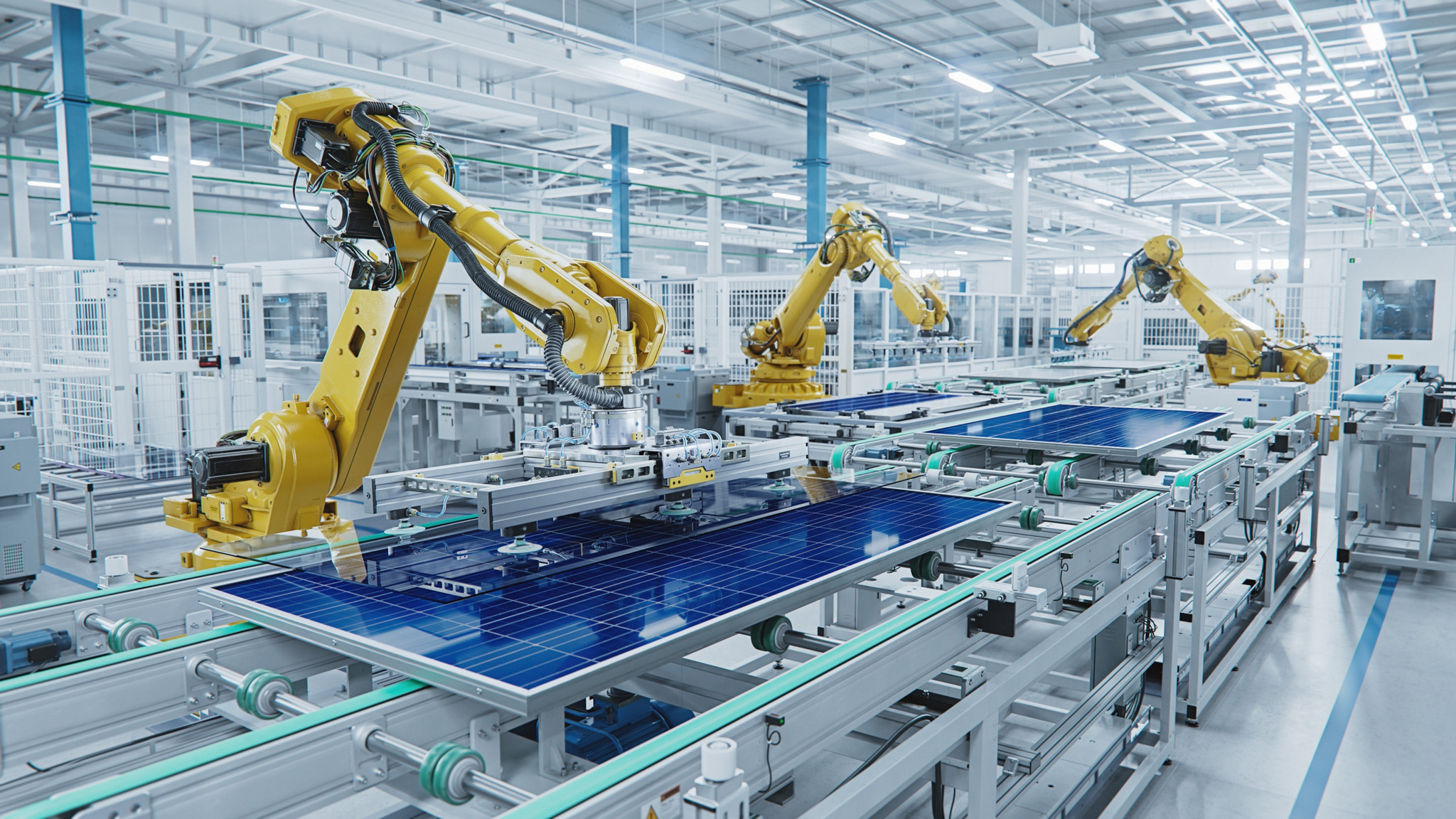
Innovation and quality that drive the future
A complex and diverse supply chain, at the beginning of 2026 it comprised 173,492 companies and 1.98 million employees, including the ATECO codes related to metallurgy, manufacture of metal products, computers, electronics and electrical equipment, machinery, motor vehicles and other means of transport, repair, and installation.
In 2025, the industrial production index recorded a slight decline (-0.9%) compared to 2024, with signs of recovery in the second half of the year. Exports reached €284.4 billion, up +2.9%, making a decisive contribution to the country's economy and its position in global markets.
After the decline in 2024, the growth of exports to the main reference markets resumed: Germany +3.3%, United States +1.8%, France -0.2%18. Double-digit growth was recorded in Switzerland (+41.4%), Italy's fifth-largest export market, and Japan (+14.1%), its tenth-largest, while the sharpest declines were recorded in Turkey (-8.2%, seventh), China (-12.7%, eighth), and Russia (-28.3%, eleventh).
Sources: Camera di Commercio delle Marche, Open Data Explorer - Demografia delle Imprese in Italia (Imprese attive, Quote, Settore C, Divisione=24, 25, 26, 27, 28, 29, 30, 33), 31/12/2025 - Camera di Commercio delle Marche, Open Data Explorer - Demografia delle Imprese in Italia (Addetti, Quote, Settore C, Divisione=24, 25, 26, 27, 28, 29, 30, 33), 31/12/2025, - Federmeccanica, Federmeccanica presenta la 177a indagine congiunturale, 2026.
Main subsectors
The mechanical engineering supply chain is highly diverse, encompassing segments that operate across very different markets, technologies, and applications. The main segments by economic size include general mechanical engineering, instrument engineering, agricultural machinery and automation, electrical engineering, and electronics.
Within the capital goods industry, components and mechatronic technologies, machine tools and robotics, and packaging machinery also play a central role.
Source: Ucima, UCIMA presenta i preconsuntivi 2025: andamento del settore, 2025.

8.1
€ BILLION
export value (2025)
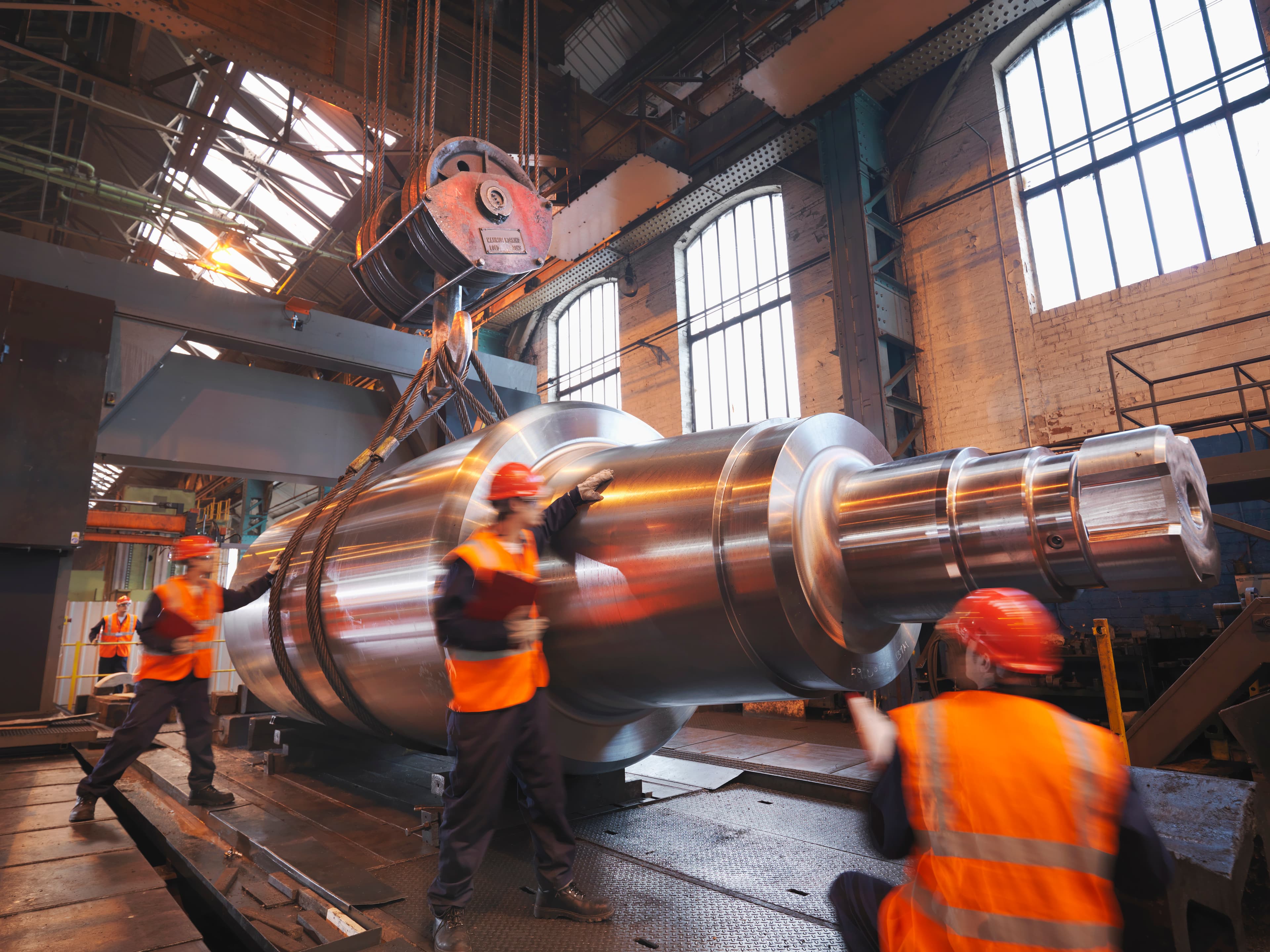
Machine tools, robots, and automation

Mechatronic components and technologies

Agricultural machines

Electrical and electrotechnical systems for automation
Excellence and innovation
Italian mechanical engineering companies have long been committed to innovation, both in their products and in their manufacturing processes. More recently, the push toward digital transformation has sparked a new wave of innovation, enabling the adoption of technologies such as collaborative robotics, the Internet of Things (IoT) on production lines, 3D printing and, more recently, artificial intelligence for predictive maintenance, to name just a few.
Thanks in part to these long-term efforts, the results have been encouraging: in the first half of 2025, Italy's digital market recorded year-over-year growth of 3.2%, reaching a total value of €40.5 billion.
Source: Anitec-Assinform, Il digitale in Italia 2025: previsioni 2025-2028 ("Digital in Italy 2025: 2025–2028 forecasts").
Key technologies

Metamaterials

Collaborative robotics

Cloud automation

Internet of Things

Artificial Intelligence

3D printing
Regional impact
Italy's mechanical engineering industry is deeply linked to the regions that host it. These are more than simply production sites; they are ecosystems where expertise, traditions, and social networks have, over time, created a unique industrial capital.
In the industrial districts, artisanal ingenuity has evolved into technological expertise. The proximity between companies, workshops, suppliers, and technical schools has fostered the rapid transmission of knowledge and the growth of specialized supply chains.
In addition to production, mechanical engineering makes a decisive contribution to the economic and social fabric of the regions. It ensures skilled employment, supports technical training and nurtures the identity of communities. In the districts, the presence of technical institutes and polytechnics strengthens this link, training the specialized skills required by companies.
Sources: Intesa Sanpaolo, Monitor dei Distretti – Lombardia, gennaio 2026, - Intesa Sanpaolo, Monitor dei Distretti – Emilia-Romagna, febbraio 2026, - MIAC, L’industria cartaria in Italia e il distretto di Lucca.
Some of the regions most closely associated with the industry

Instrumental mechanics in Milan and Monza
The country's leading mechanical engineering district in terms of export value.

Reggio Emilia mechatronics district
An ecosystem built on the integration of mechanics, electronics, automation, and information technology.

Machinery for the Lucca paper industry
One of the leading European hubs for paper manufacturing.

Mechatronics in the Bari area
In addition to mechatronics and industrial automation, it is also a hub for nanotechnology, advanced materials, and information and communications technology (ICT).
Discover Mechanical Engineering
trade shows
Find the leading national and international trade shows, and filter them by date, country, and industry.