



Sustainability and energy
The energy and sustainable infrastructure sector is now one of the strategic axes for the Italian economy, both in terms of ecological transition and industrial competitiveness.
Italy, historically characterized by a strong energy dependence on foreign countries, has progressively focused on the diversification of sources (in particular with the growth of solar, wind, and "new" renewables), on technological innovation to increase productivity, and on efficiency to reduce waste.
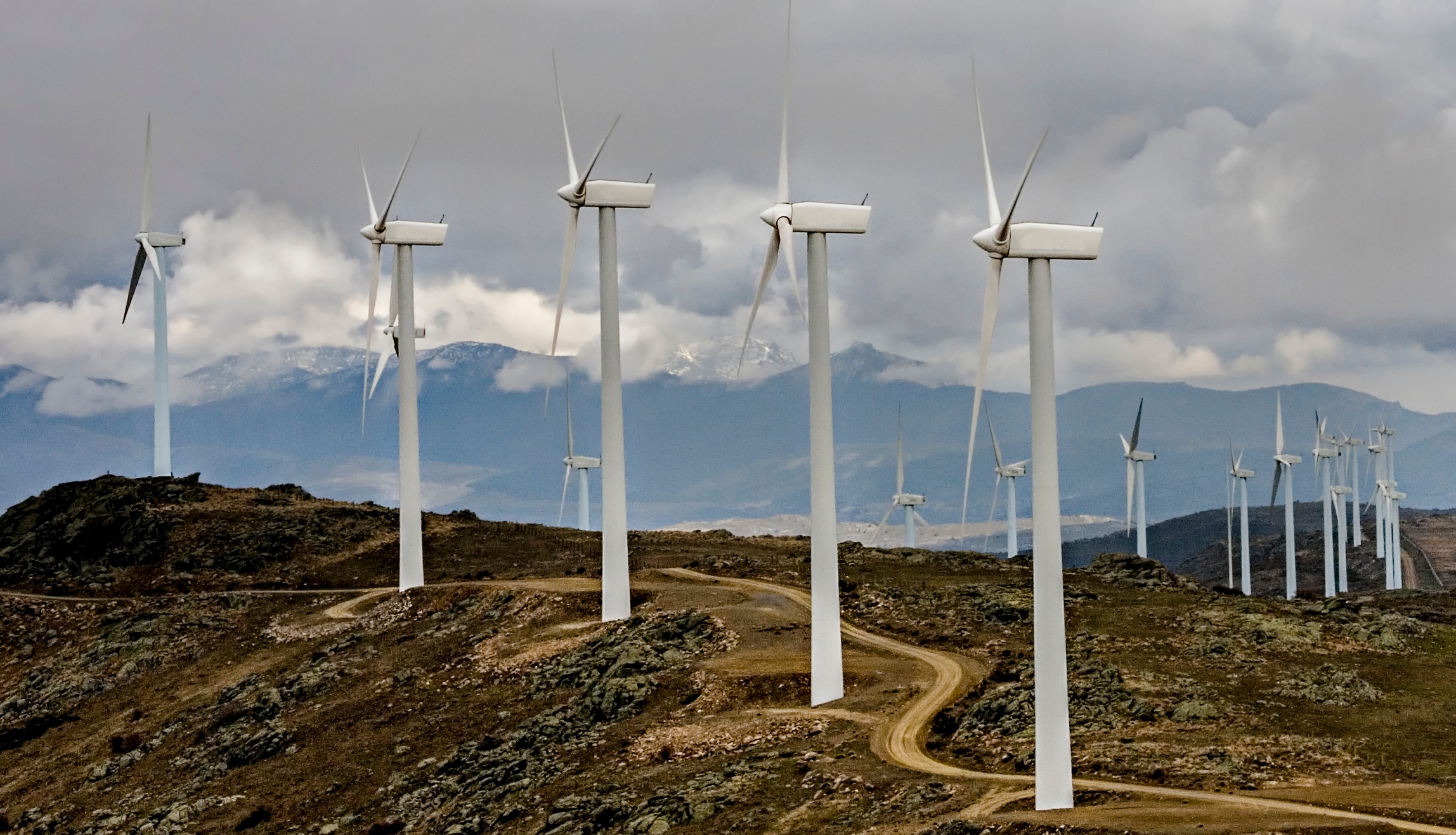
Energy and technology for the transition
Italy, historically an energy-importing country, met about 85% of its electricity demand from domestic production in 2025 (268 billion kilowatt-hours, +2% compared to 2024), while the remaining share came from foreign trade, with a net balance that decreased by 8.1% compared to the previous year, due to the stability of exports and the decline in imports.
Overall, in 2025, renewable sources covered almost half (47.7%) of national electricity production, confirming the growing role of sustainable technologies in the Italian energy system.
In 2024 (latest available data), considering the green technologies segment (cleantech), the supply chain generated €57 billion in turnover and €25 billion in total added value, confirming itself as one of the most dynamic sectors of the Italian energy transition.
In the same year, there were 40,760 companies active or potentially involved in the renewable energy supply chain, an increase of 13.2% compared to 2023 and 22.6% over the previous two years. The sector has a total of about 387,000 employees.
From the point of view of geographical distribution, more than a third of the companies are based in Lombardy, Lazio, and Campania: Lombardy leads with 6,600 companies (16.2% of the total), followed by Lazio with 4,432 (10.9%) and Campania with 3,772 (9.3%). Sicily (3,299, 8.1%), Veneto (3,208, 7.9%), and Puglia (3,076, 7.5%) follow.
Sources: Terna, Nel 2025 fabbisogno elettrico pari a 311,3 TWh, 2026, - Terna, Rapporto mensile sul sistema elettrico dicembre 2025, - Fondazione Symbola, Filiere del futuro. Geografia produttiva delle rinnovabili in Italia, - Politecnico di Milano citato da ESG News, Cleantech, in Italia il settore delle tecnologie pulite vale 57 mld e raggiungerà quasi 90 mld entro il 2030.
Main subsectors
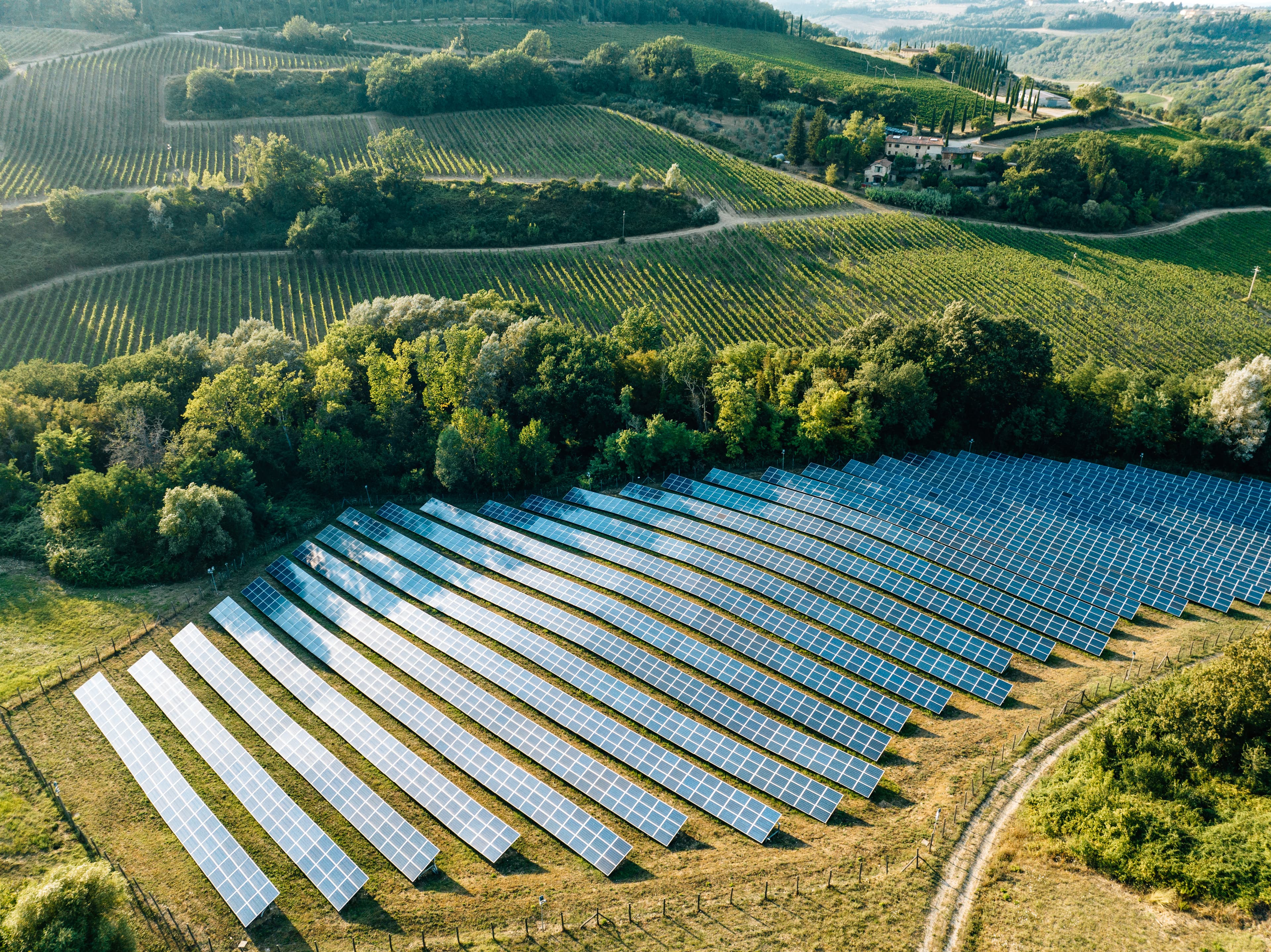
Within Italy's energy supply chain, three key segments stand out: renewable energy generation, driven primarily by solar and wind power; energy infrastructure, including power grids, energy storage systems, and energy management technologies; and traditional transmission networks, such as natural gas pipelines and oil pipelines.
These are complemented by specialized sectors such as biofuels and energy recovery from waste, which contribute to the country's competitiveness and energy security.
Source: Terna, Rapporto mensile sul sistema elettrico dicembre 2025.

16%

Wind

Bioenergy

Hydroelectric
Excellence and innovation
After demonstrating great vision with the construction of the first Alpine hydroelectric power plants at the beginning of the 20th century, Italy has been able to update its wealth of expertise by addressing the current challenges: decarbonization, digitalization, efficiency, and energy autonomy.
This evolution has resulted in a network of widespread innovations, created both within large industrial groups and through the initiative of start-ups, research centers, and universities.
Today, this expertise is applied across a wide range of fields, from smart grids to sustainable infrastructure, contributing to the development of advanced energy solutions that are also recognized in international markets.
Sources: Politecnico di Milano, Aste, Del Pero e Leonforte, SOTTILE, messa a punto di un componente BIPV innovativo per l’integrazione architettonica.
The most strategic areas include:

Smart grids and intelligent networks

Building-Integrated Photovoltaics (BIPV)

Advanced biofuels
Electric mobility and V2G

Infrastructural and sustainable design
Regional impact
Due to its geographical configuration and the richness of its ecosystems, Italy has always been a natural laboratory for the development of energy solutions, from hydroelectric to geothermal and, more recently, wind and solar. The combination of natural resources, industrial expertise, and innovative technologies has given rise to sustainable projects that often maximize their potential.
From the Lombardy Energy Cleantech Cluster (LE2C) to the North Adriatic Hydrogen Valley, and from the Larderello geothermal district to the emerging offshore wind hubs in the Mediterranean, Italy has developed ecosystems where research institutions, industry, and government work together to accelerate the energy transition. These entities differ in specialization and size, but they share the ability to transform local vocations into innovation and international competitiveness.
Sources: Rinnovabili & Risparmio, L’eolico salva i piccoli comuni: ecco quattro esempi ("Wind power is saving small municipalities: four examples"); Terna S.p.A., Anagrafica impianti rinnovabili - To Be ("Renewable energy installations register - To Be"), - ISPRA - Italian Institute for Environmental Protection and Research, Siti di estrazione di risorse energetiche - Geotermia ("Energy resource extraction sites - Geothermal energy"); Enel Green Power, Geotermia in Toscana: sviluppo sostenibile ("Geothermal energy in Tuscany: sustainable development"); Gestore dei Servizi Energetici -GSE ("Energy Services Operator"), Comunità energetiche rinnovabili ("Renewable energy communities").
The geography of Italian energy

Photovoltaic
Lombardy, Veneto, Emilia-Romagna and Lazio

Onshore wind
Puglia, Basilicata, Sicily, and Campania

Offshore wind
Sardinia, Gulf of Taranto

Geothermal
Tuscany (Larderello and Monte Amiata)

Green hydrogen
Hydrogen valleys under development throughout Italy

Biomass and biomethane
Lombardy, Trentino-Alto Adige, Emilia-Romagna, Lazio, Campania

Hydroelectric
Trentino-Alto Adige, Lombardy, Piedmont, Aosta Valley and Abruzzo
Discover Sustainability and Energy
Trade Shows
Trova tutte le fiere nazionali e internazionali più prestigiose, filtra per data, paese e settore.