



Calangianus cork: tradition and innovation for Italian sustainable packaging
In the cork district of Alta Gallura, centuries-old knowledge is being renewed through sustainability and new milestones for the supply chain.
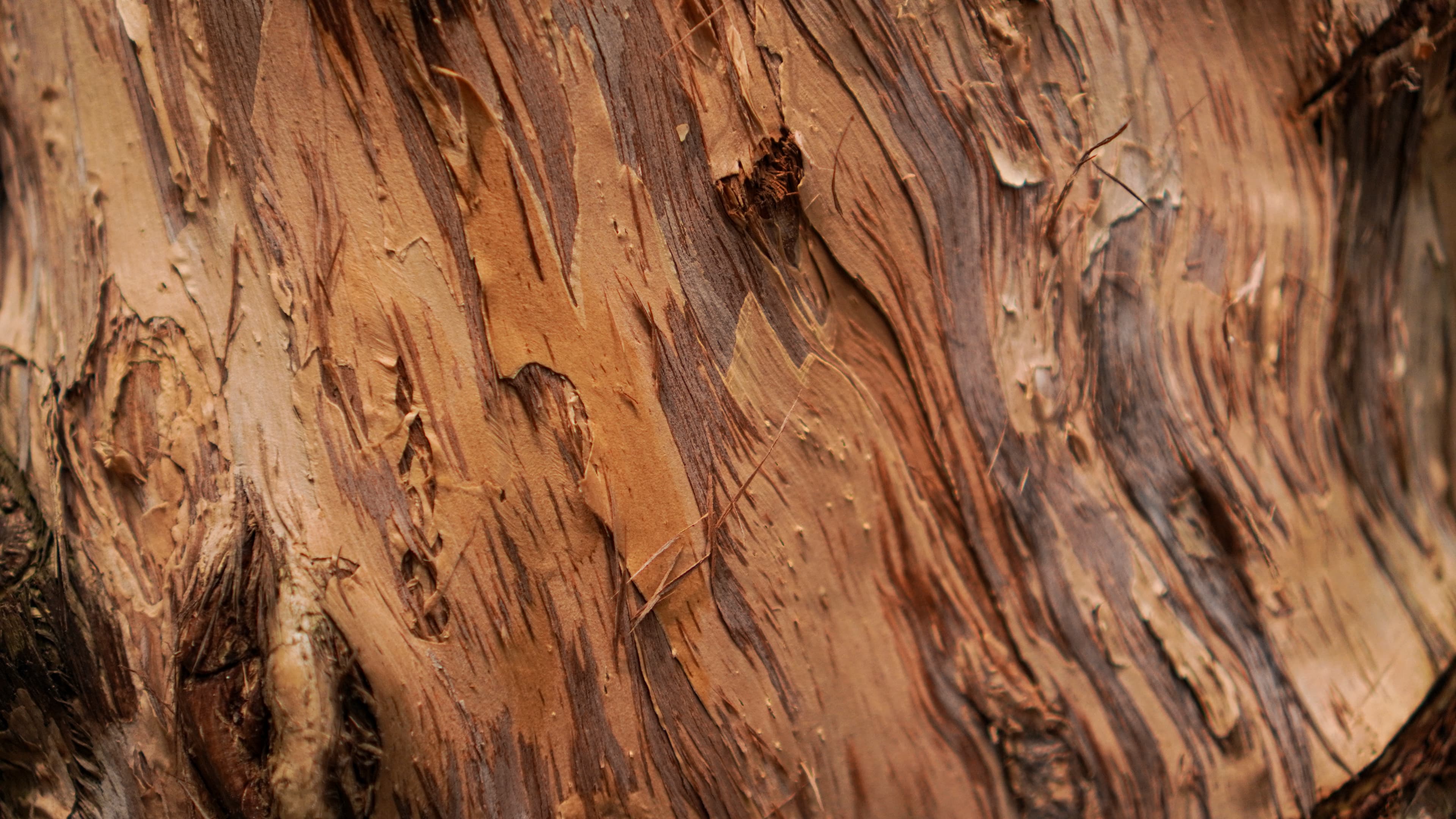
In the heart of Gallura, a long manufacturing tradition is writing a new chapter. In Calangianus, the Italian capital of Sardinian cork and a reference center for a supply chain deeply rooted in the local area, in June 2026 the cork stopper obtained organic certification: a recognition that marks an important milestone for the sector and adds to the centuries-old history of Sardinian cork.
The heart of cork in Alta Gallura
Calangianus is at the center of a manufacturing system that covers an area of about 912 km² and includes, among others, Aggius, Berchidda, Luras, and Tempio Pausania. It is the cork district of Alta Gallura, an area where the environment, artisanal expertise, and industrial activities have, over time, created a supply chain full of companies specializing in the production and processing of cork.
The roots of this specialization run deep: cork processing in Sardinia officially dates back to 1851 and, over the course of the 20th century, helped transform the local economy, fostering the emergence of workshops and businesses. The local cork stopper also made its way to the Milan International Exhibition, consolidating Calangianus' reputation as the Italian capital of the sector.
Here, the presence of cork oaks has shaped not only the landscape, but also the economic and cultural identity of the area. A place where knowledge handed down over time continues to be an integral part of the contemporary production fabric.
Ancient knowledge that follows nature
It all starts with the cork oak and a practice that respects its natural cycle. The bark is harvested through periodic stripping without cutting down the tree: a process that makes it possible to obtain a natural and renewable raw material.
Behind this process is an ancient body of knowledge that today meets very current needs: using resources responsibly and making the most of renewable materials.
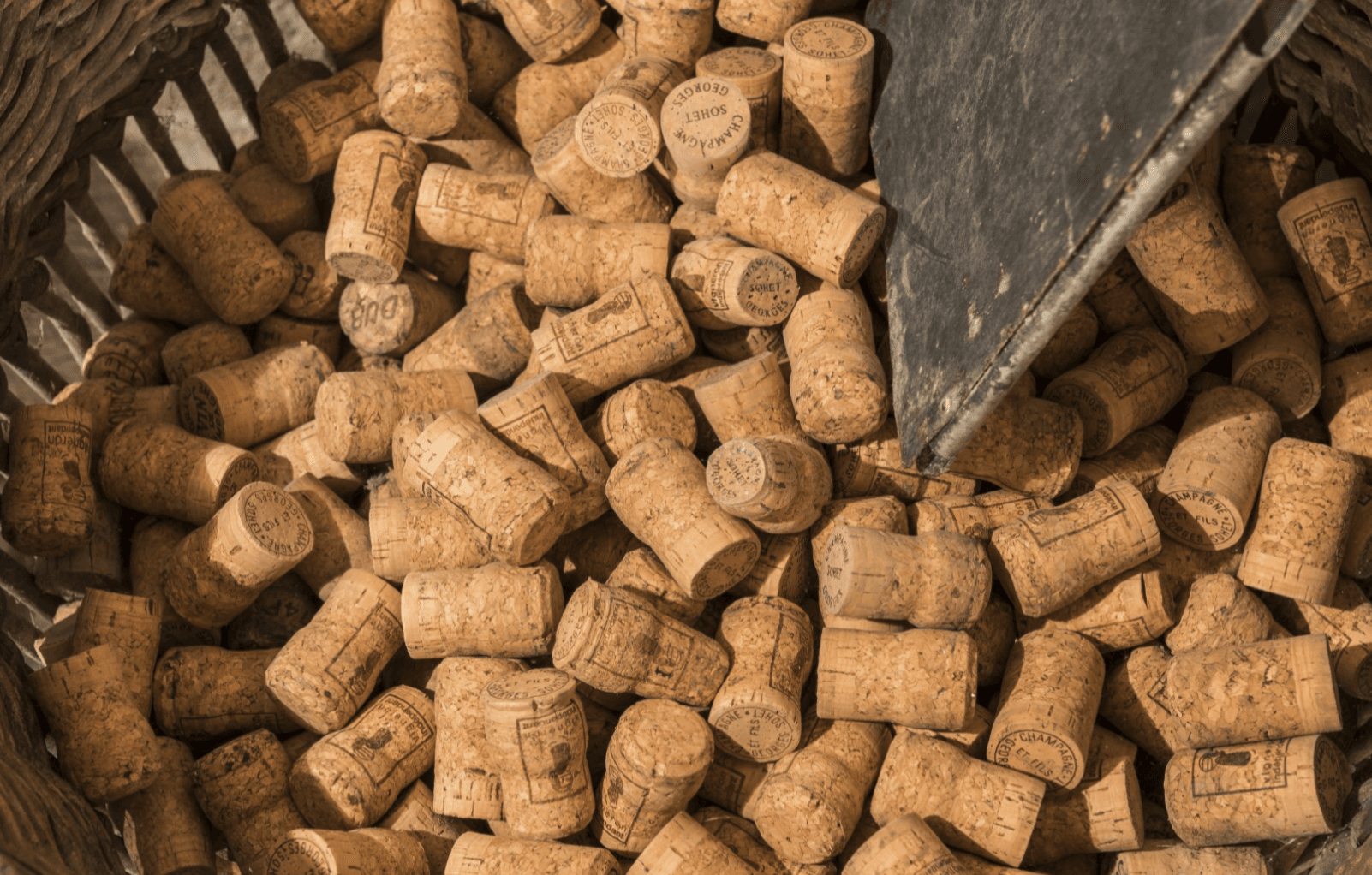
Over time, cork has also shown great versatility. In addition to stoppers, it is used in furniture and thermal insulation panels, as well as in shoes, bags, fashion accessories, and design objects.
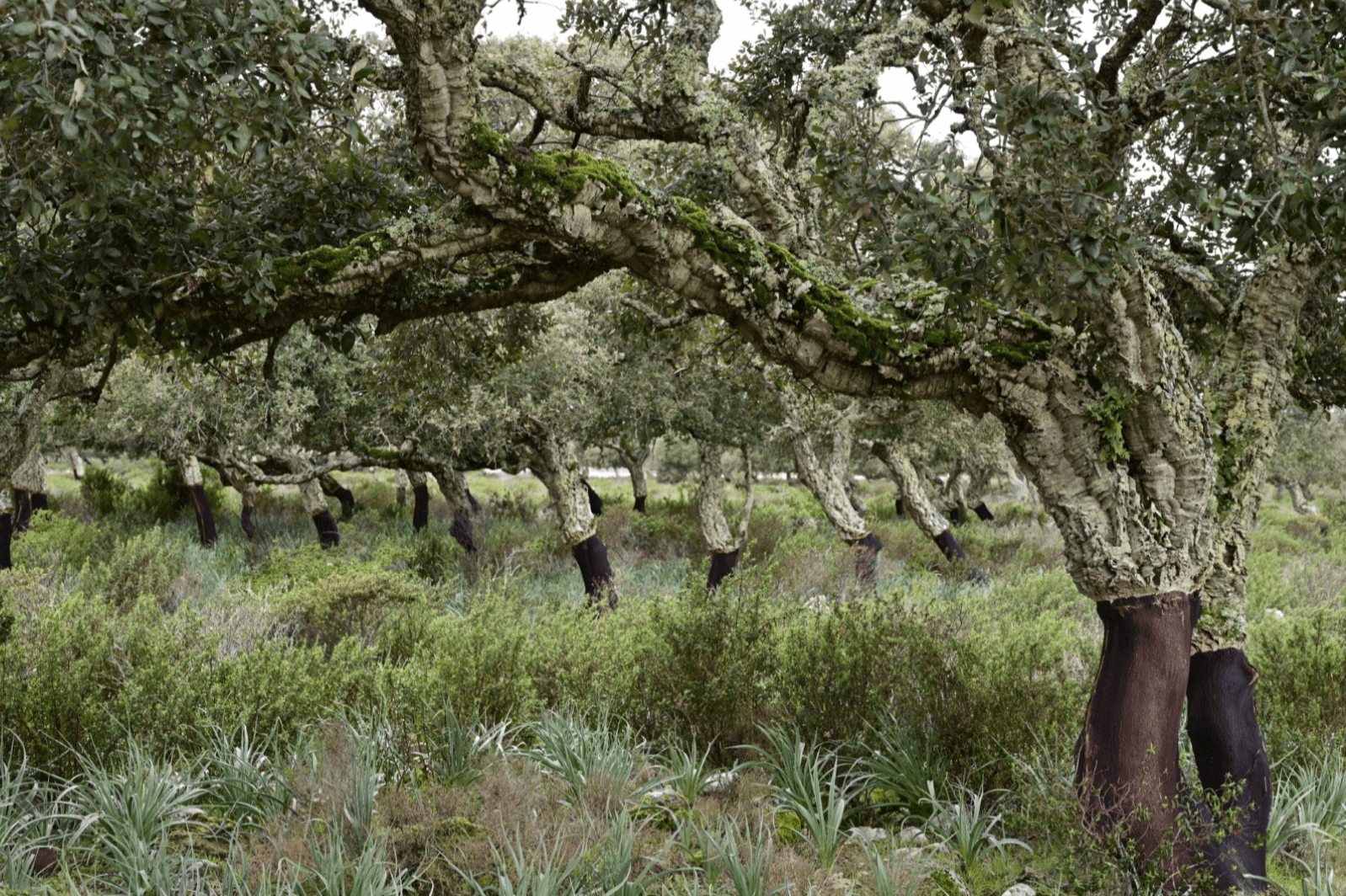
The sustainability of cork wins new recognition
Today, this long-standing production experience finds a new expression in sustainability. In June 2026, the cork stopper obtained official organic certification, becoming the first packaging material in the world to receive a recognition that had previously been associated with products such as wine and olive oil.
This record adds a new distinctive element to one of the most representative specializations of Alta Gallura, an expression of Made in Italy that is capable of combining ancient knowledge with new sustainability requirements.
A district with a focus on exports
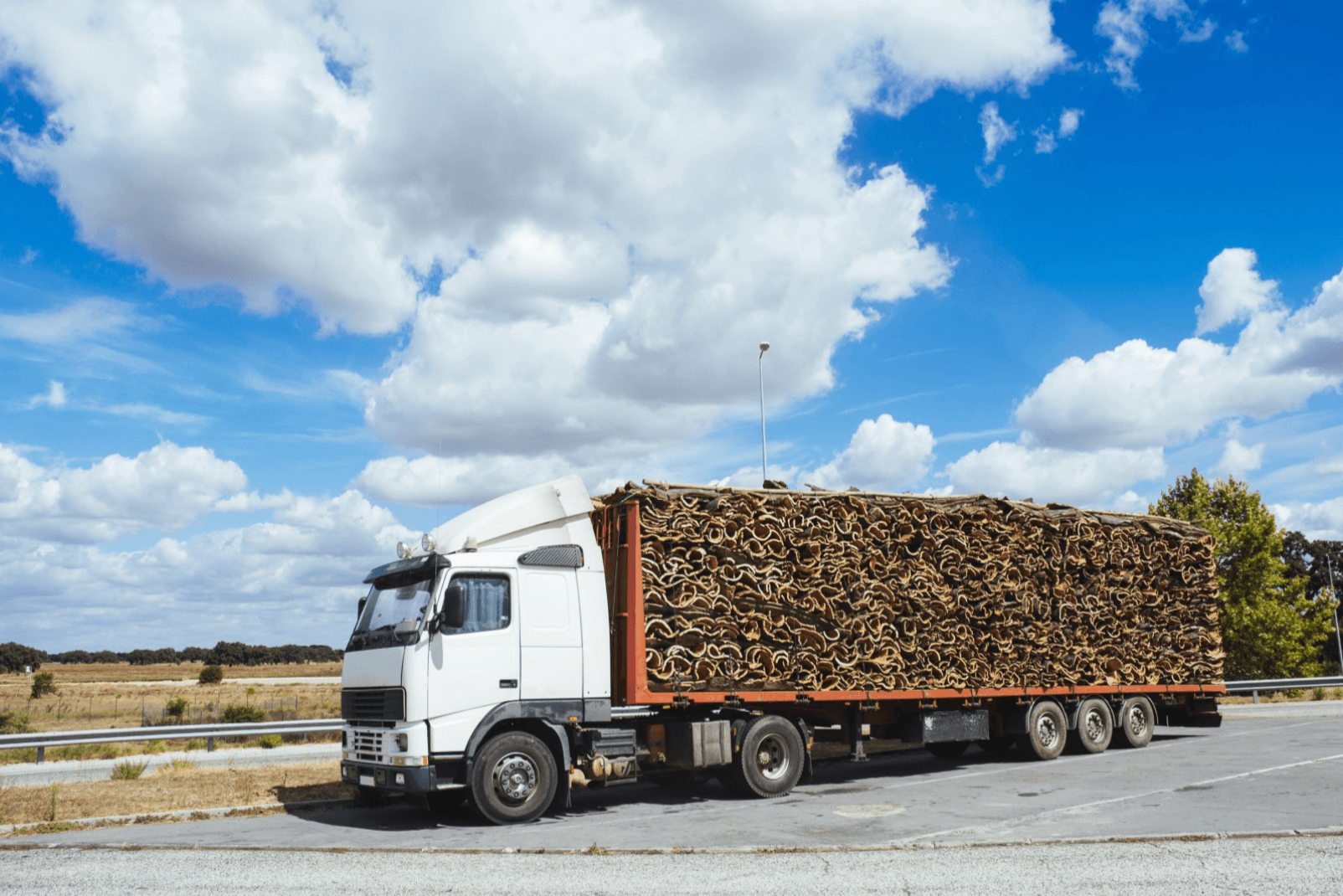
The economic importance of this supply chain also emerges when looking at foreign trade. According to data from CIPNES Gallura, in the first quarter of 2026, the province of Sassari-Gallura recorded exports in the wood-cork sector of €3.8 million, accounting for 79.9% of the regional total.
In the same period, Sardinian exports in the sector reached a total of €4.7 million. This figure is down 27.6% compared to the first quarter of 2025, but up 24.7% compared to the same period in 2024. These figures confirm Gallura's central role in the sector and its vocation for foreign markets.
The Cork Museum, a living memory of the region
In Calangianus, cork is also a heritage to be learned about and passed down to future generations. Its story is told by the Cork Museum, housed in the former 18th-century convent of the Capuchin Friars, where tools, machinery, and testimonies reconstruct the relationship between the community and a raw material that has shaped its development. A story that attracts an ever-increasing number of visitors.
According to La Nuova Sardegna, in September 2025 the museum recorded 2,375 visitors, compared to approximately 1,600 in the same month the previous year.
From the region to global markets with OpportunItaly
Between ancient roots and new goals linked to sustainability, cork continues to be one of the most representative products of Alta Gallura. An excellence that preserves its history while, at the same time, knowing how to respond to the current needs of Italian industries. The Sardinian cork district, like other Italian districts that can be identified through the District Map, represents a Made in Italy made up of knowledge handed down through the generations, regional identity, and the capacity for innovation.
OpportunItaly can help give them visibility by creating new connections between Italian companies and international operators. To showcase your company's value and connect with new stakeholders in global markets, join the program.
Sources:
Sardegnaimpresa
Italia.it
Lanuovasardegna
Cipnes
In summary
Calangianus is the heart of the cork district of Alta Gallura, a production specialization that has its roots in the 19th century and combines artisanal knowledge and business.
In 2026, the cork stopper obtained organic certification, becoming the first packaging material in the world to achieve this milestone.
Gallura plays a central role in regional exports in the wood-cork sector: in the first quarter of 2026, Sassari-Gallura accounted for 79.9% of the Sardinian total.
FAQ