



Gianduiotto and the art of turning constraints into flavour
A journey through cocoa, hazelnuts, and Turin’s creativity to discover one of Piedmont’s gastronomic icons.
Source: GQ Italia
Turin and Piedmont have a centuries-old connection with chocolate. Workshops, historic cafés and master chocolatiers have shaped a distinctive gastronomic identity—one that, in February, finds in Valentine’s Day a particularly meaningful moment of attention and appreciation.
Among the stars of this season is the gianduiotto, a product born in the 19th century that tells the story of Turin’s creativity, Piedmont’s hazelnut culture, and the value of Made in Italy in the agri-food sector.
What is Gianduiotto? Historical origins
Source: Piemontecultura.it
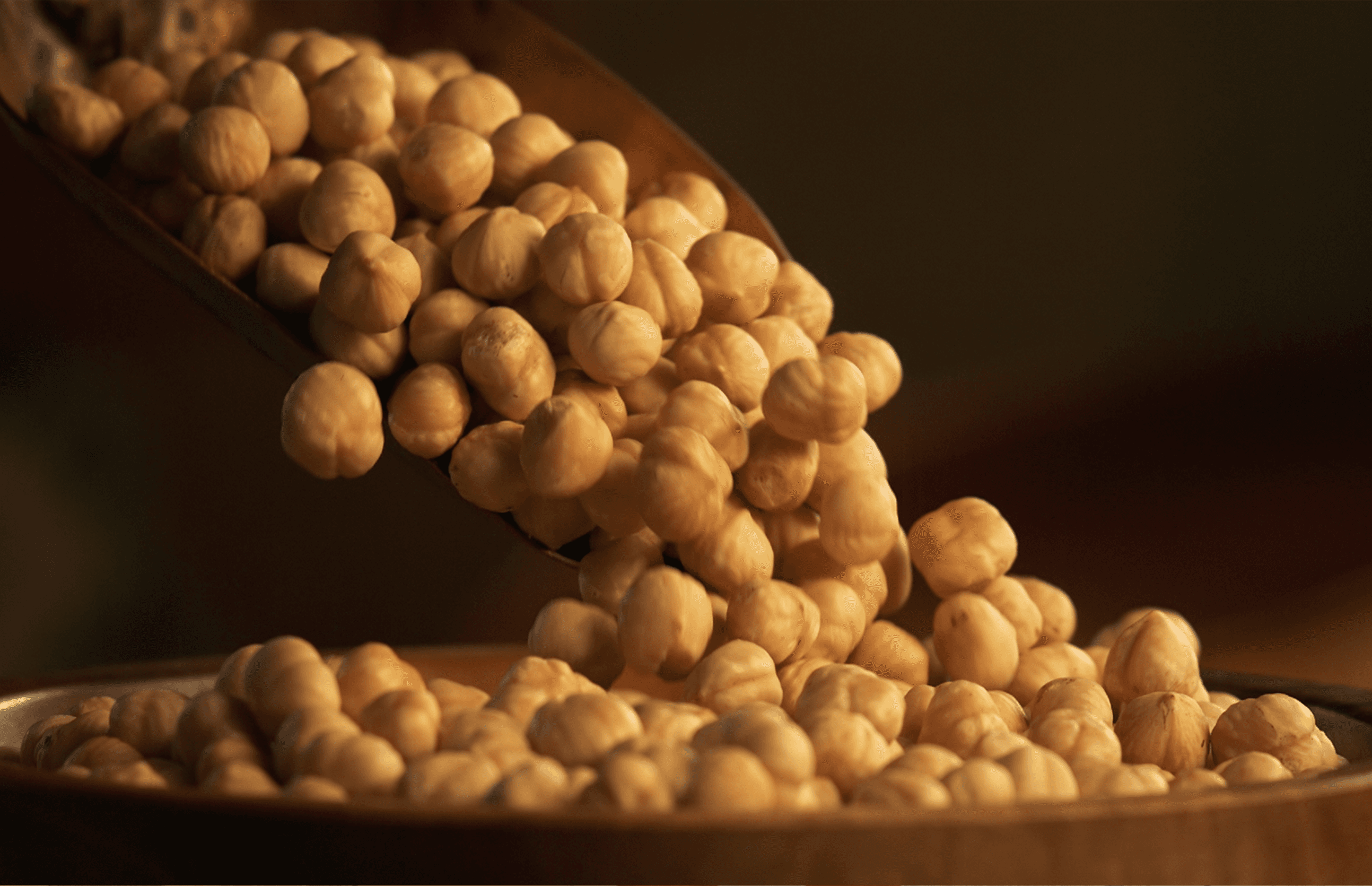
The birth of the gianduiotto is linked to Napoleon’s Continental Blockade, which in the early 1800s made cocoa scarce and expensive across Europe. Turin’s chocolatiers looked for ways to reduce cocoa usage and began blending it with ground hazelnuts—especially the Tonda Gentile delle Langhe variety, grown in Piedmont and renowned for its aroma and finesse.
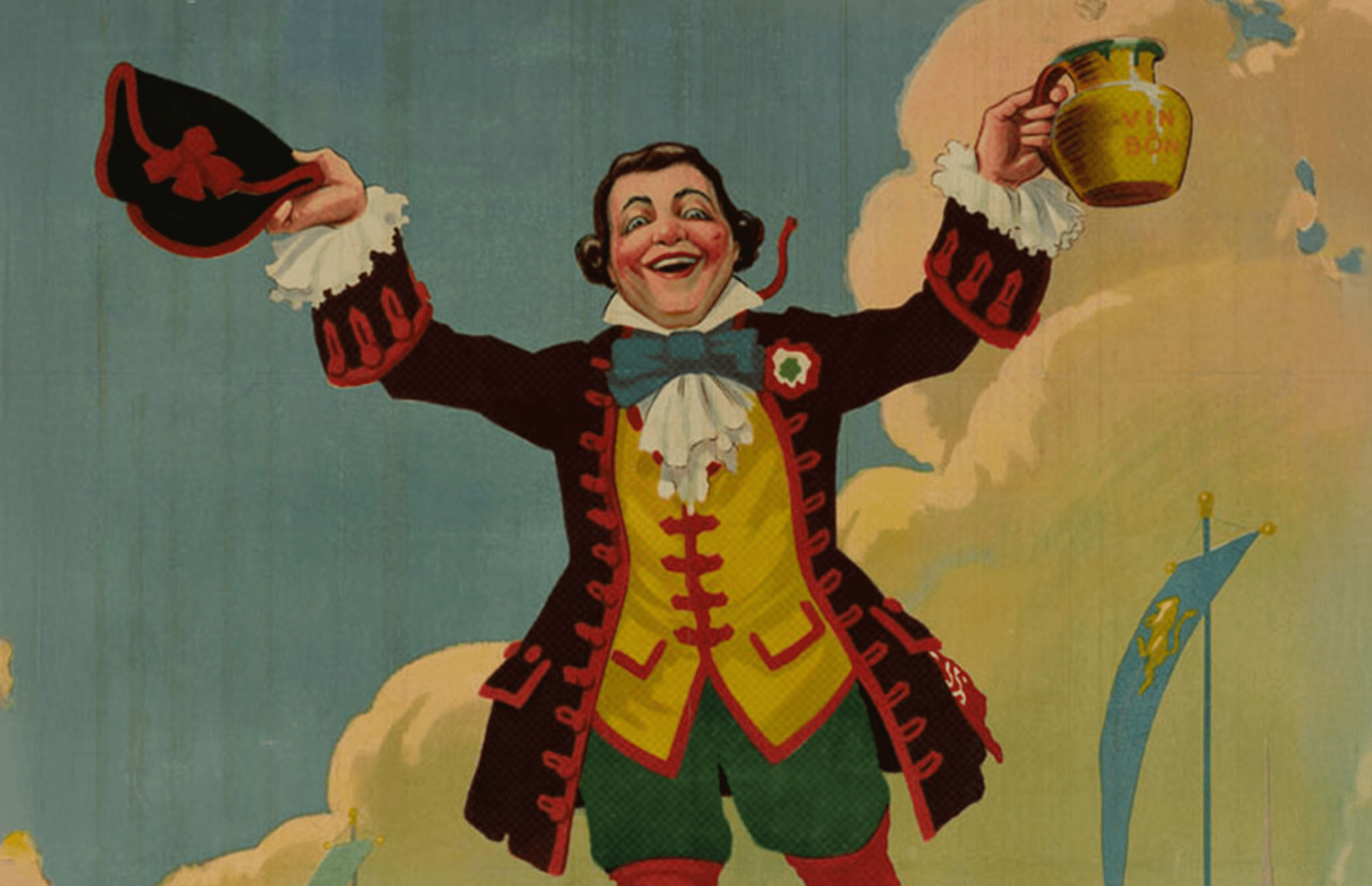
According to historical records, the artisan Michele Prochet refined this blend, creating gianduia, the base of the future gianduiotto. The chocolate made from this paste was presented to the public during the Turin Carnival celebrations of 1865, and it was associated with the mask of Gianduja, which helped popularise the name “gianduiotto”.
Negli anni successivi, la produzione e la commercializzazione del gianduiotto furono sostenute anche dalla ditta CaffIn the following years, the production and commercialisation of the gianduiotto were also supported by Caffarel, which played a significant role in turning an artisanal invention into a product widely adopted within Turin and Piedmont’s confectionery scene.
Gianduiotto: ingredients, shape and production tradition
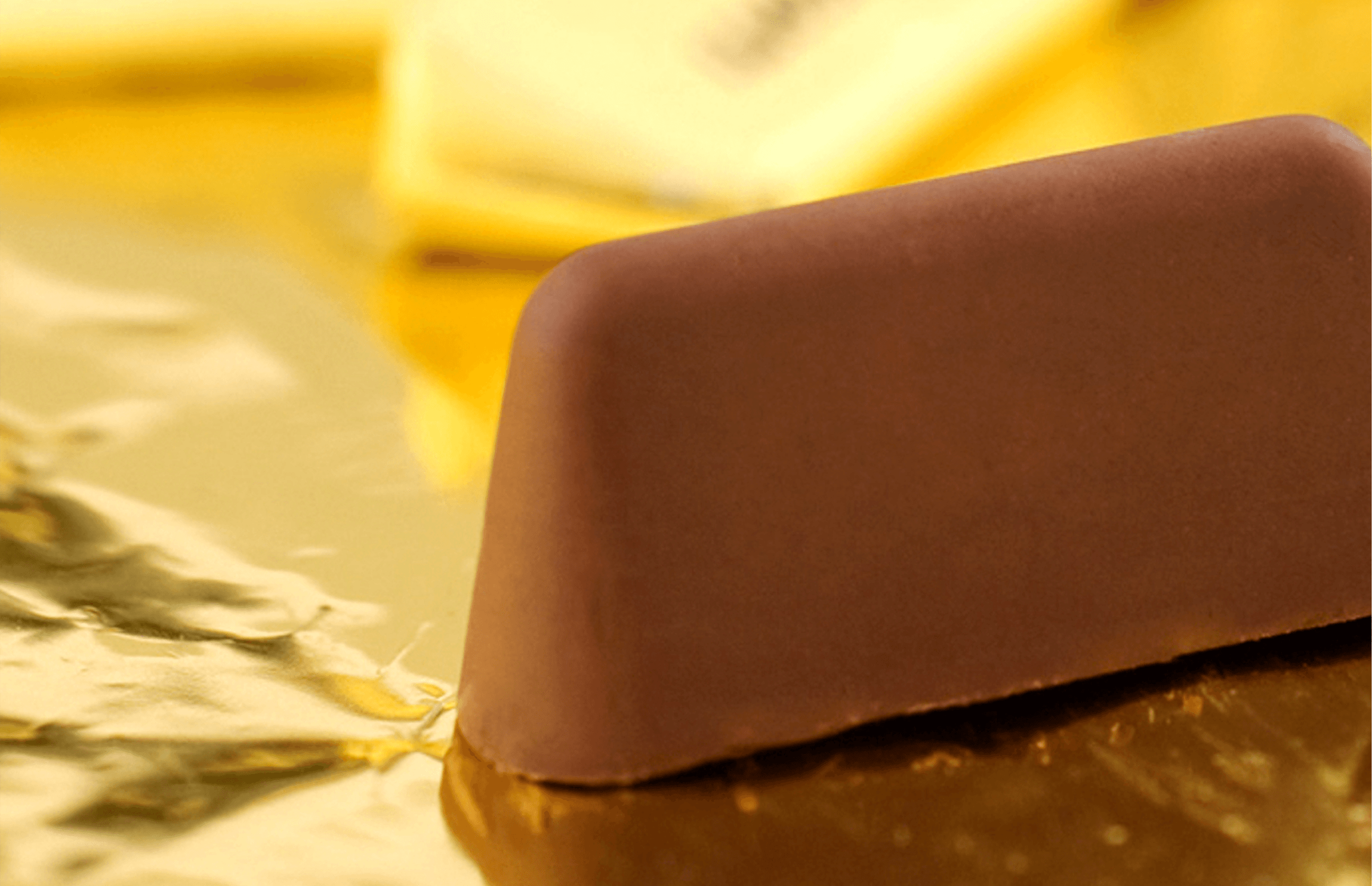
The gianduiotto is recognisable for its ingot-like trapezoidal shape, obtained by cutting blocks of gianduia paste. The traditional recipe is based on three ingredients: cocoa, sugar and Piedmont Tonda Gentile hazelnuts.
The use of hazelnuts was not merely a workaround: it created a softer, more aromatic paste typical of Turin’s workshops. This gave rise to a confectionery tradition rooted in the territory and clearly recognisable within Italy’s wider culinary landscape.
Gianduiotto and Italian food industry: a traditional agri-food product of Piedmont
Today, the gianduiotto is included among Piedmont’s Traditional Agri-food Products—a designation that safeguards preparations tied to the region and its food heritage. Its spread across Italy and Europe mirrors Turin’s industrial evolution: from 19th-century workshops to modern production facilities, and onward to the historic cafés in the city centre.
The gianduiotto is not only a local excellence; it is also a cultural ambassador of Italy’s confectionery tradition, telling a story of ingredient quality, artisanal care and the sector’s capacity for innovation.
Sharing and food culture: the gianduiotto for Valentine’s Day
In February, the gianduiotto is one of the most popular gastronomic symbols chosen to celebrate Valentine’s Day. Its Carnival-linked history, artisanal craftsmanship and the soft taste given by Piedmont hazelnuts make it a product that speaks of place and sharing. Giving or enjoying gianduiotti means taking part in a tradition that blends food culture and affection—reflecting an unmistakably Italian sensibility towards food as a social gesture.
When Made in Italy gastronomy meets international buyers and partners
The story of the gianduiotto shows how Made in Italy is often the result of a meeting point between local raw materials, craftsmanship and innovative capability. It is the same dynamic found across many sectors represented on OpportunItaly—the platform that connects international buyers with Italian companies and their production districts.
From supply chains spanning agri-food and mechanical engineering to design and cultural heritage, OpportunItaly promotes skills and territories, turning them into opportunities for collaboration and business.
Gianduiotto: key dates
Early 19th century: the Napoleonic continental blockade makes cocoa scarce and expensive
Michele Prochet perfects the cocoa-hazelnut blend, creating gianduia paste
1865: gianduiotto is presented at the Turin Carnival, linked to the Gianduja mask
Caffarel supports the commercialisation and wider distribution of the product
Shape: trapezoid, cut from blocks of gianduia paste
Traditional ingredients: cocoa, sugar, Tonda Gentile delle Langhe hazelnuts from Piedmont
Recognition: Traditional Agri-food Product of Piedmont (PAT)
Sources:
Museo Torino
Wikipedia
Parco Po Piemontese