



Giorgini, the visionary entrepreneur who brought Made in Italy to the runway
On 12 February 1951, at Villa Torrigiani in Florence, Giovanni Battista Giorgini organised the first Italian fashion show: the event that changed the history of Made in Italy.
Source: Vogue.it
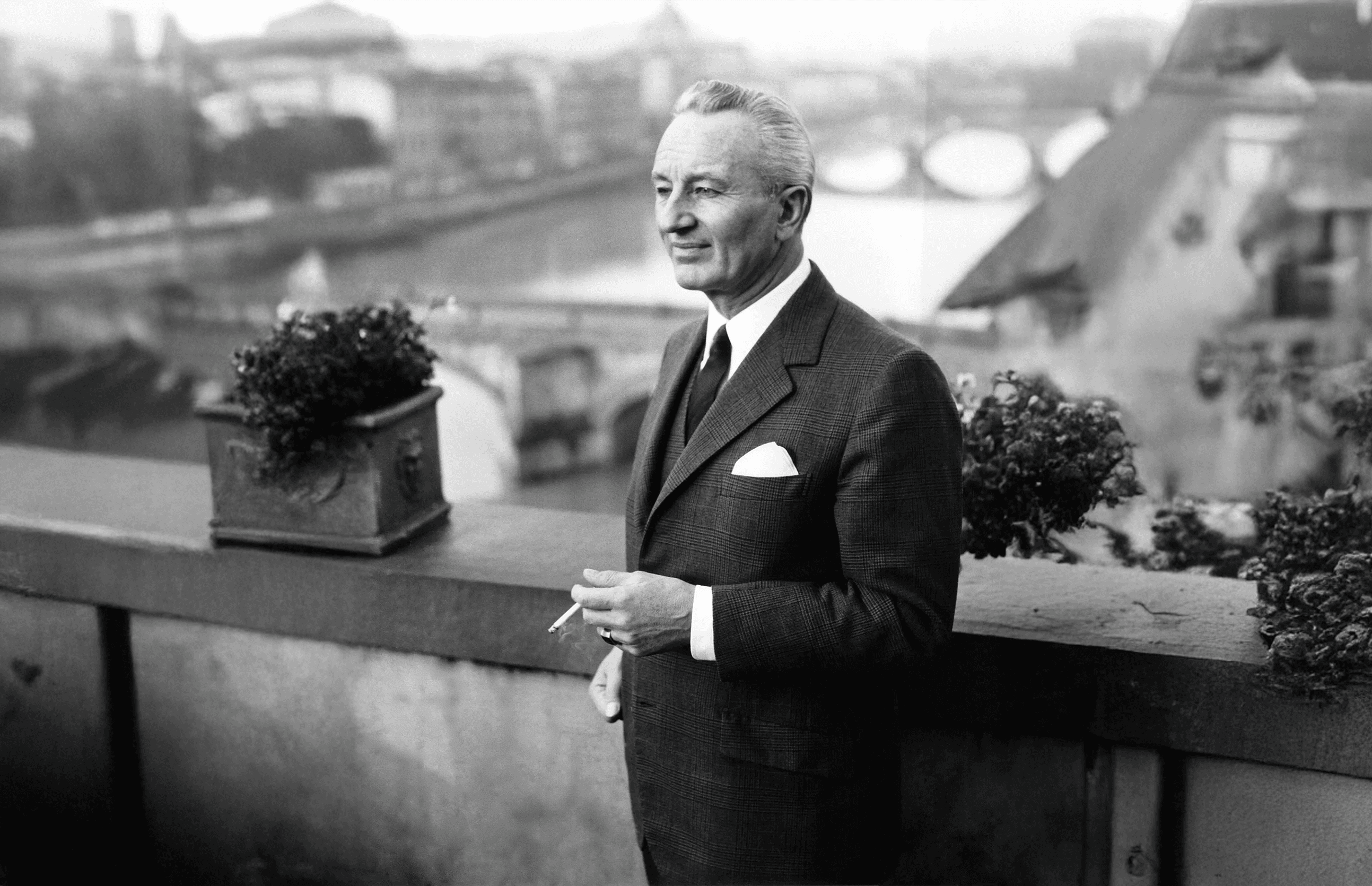
Giovanni Battista Giorgini (Forte dei Marmi, 1898 – Florence, 1971) was an entrepreneur and a talent scout. On 12 February 1951, he organised at his Florentine residence, Villa Torrigiani, the first collective presentation of Italian haute couture aimed at international buyers, an event considered the first Italian fashion show on an international scale.
Giovanni Battista Giorgini and the origins of International Italian fashion
In Florence, entrepreneur Giovanni Battista Giorgini realised that Italian fashion could aspire to a much broader role than it had played until then. The great tailoring houses already existed, along with an extraordinary heritage of expertise, but what was missing was a stage capable of presenting them as the expression of a coherent national style.
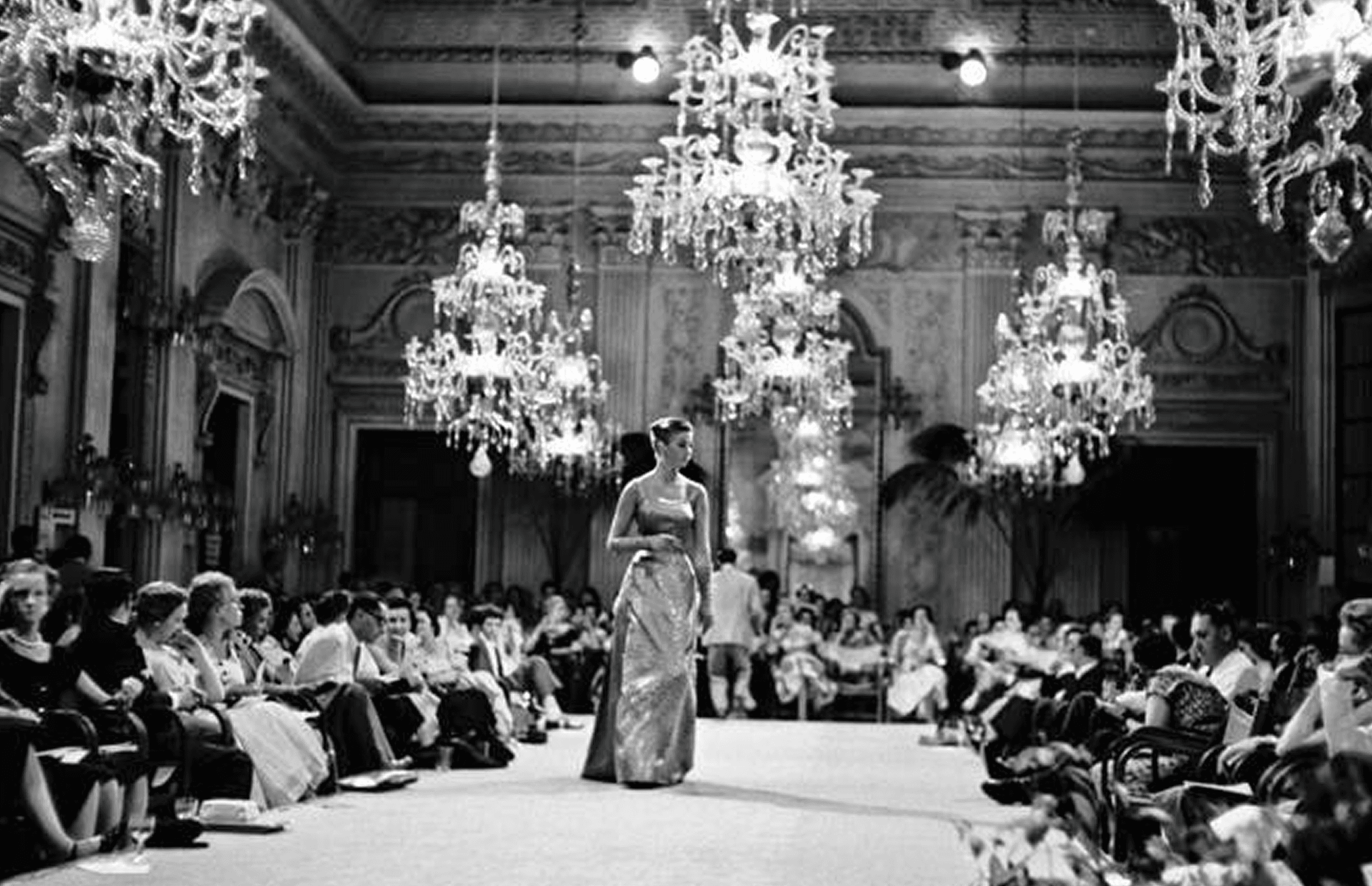
On 12 February 1951, at his residence Villa Torrigiani, Giorgini organised the first collective presentation of Italian haute couture aimed at international professionals. The initiative highlighted Italy’s ability to combine elegance, attention to detail and strong sartorial skills, opening a new chapter for Made in Italy and attracting the attention of the international press.
Source: Lifeinitaly.com
The First Italian High Fashion Show of 1951
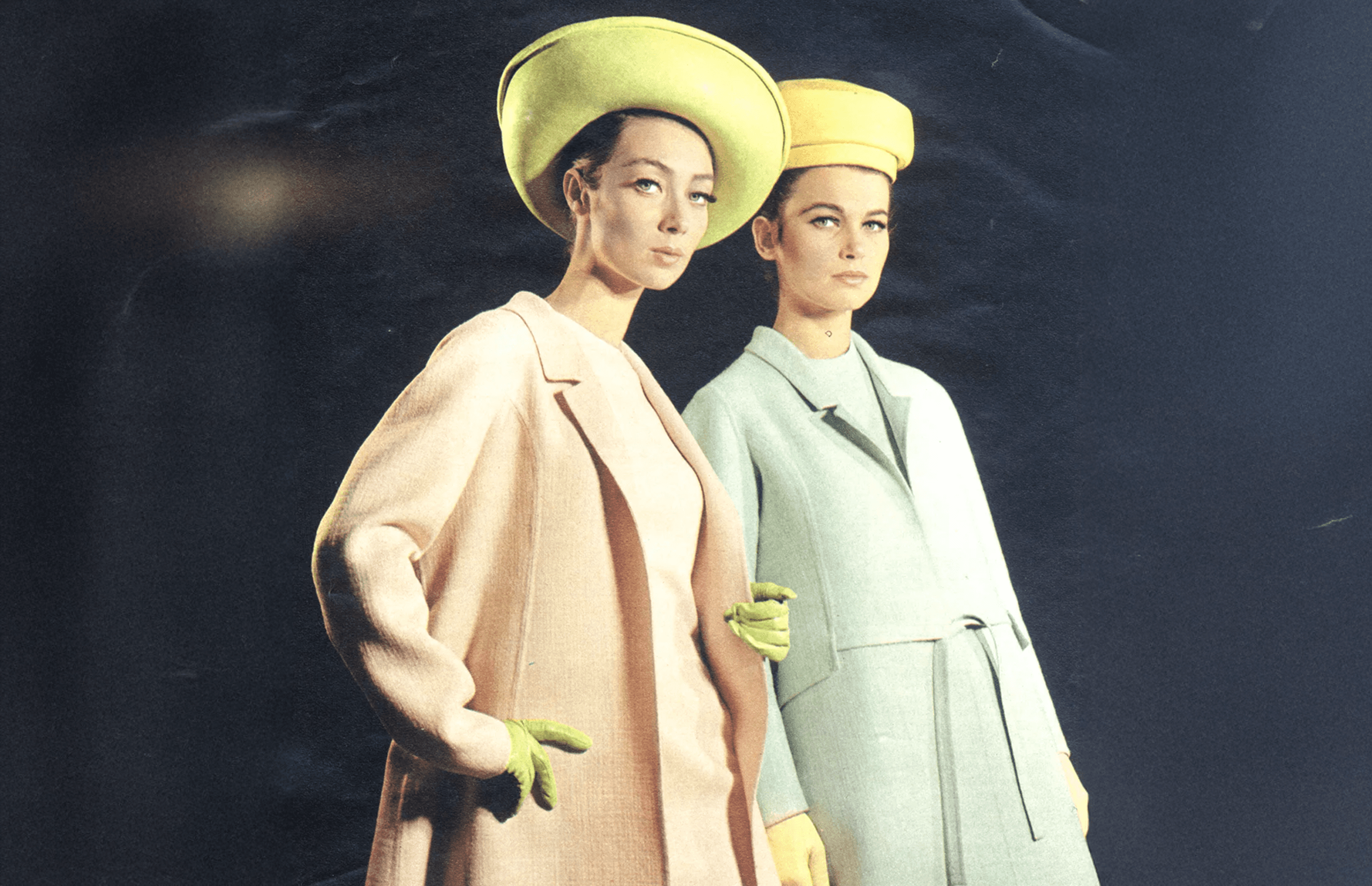
The “First Italian High Fashion Show” marked a turning point. Designers such as Carosa, Fabiani, Simonetta and the Fontana Sisters presented collections that offered a different perspective from French traditions, with a fresher, brighter style language tied to a modern idea of femininity.
Success was immediate. Season after season, the presentations moved to the Sala Bianca at Palazzo Pitti, which became the symbolic venue of Italy’s emerging fashion scene. This setting helped strengthen Italy’s reputation as a creative hub and drew a growing number of international stakeholders, attracted by the quality and stylistic identity of Italian maisons.
Source: Vogue.it
The role of Giorgini's runway shows in elevating Made in Italy
Giorgini’s shows were not merely an aesthetic showcase, but a true infrastructure for international relationships. Presenting the collections in a unified way made the system’s overall strength clear: craftsmanship, production reliability, and the ability to innovate while maintaining a strong link to tradition.
These events built a stable bridge between Italian businesses and the global market. Florence became a meeting point to discover new collections, build professional contacts and develop long-term commercial partnerships.
Even today, that spirit of openness continues to shape how Made in Italy presents itself to the world, through tools designed to facilitate dialogue between Italian creativity and international demand.
Expertise, innovation and new opportunities for international buyers
The legacy of Giorgini’s shows lives on in Italy’s leading fashion events, where tradition and innovation continue to engage a global audience.
To make this dialogue even more seamless, OpportunItaly was created: a programme that connects Italian excellence with those around the world seeking quality, reliability and new business partners. Join the programme and discover how Made in Italy can become a strategic asset for your business.
Sources:
Il Sole 24 Ore
Artribune
RaiTeche
Wikipedia
Giovanni Battista Giorgini: key dates
Born in Forte dei Marmi in 1898, died in Florence in 1971
Entrepreneur, talent scout and promoter of Italian fashion abroad
12 February 1951: first collective Italian haute couture presentation at Villa Torrigiani, Florence
Event known as the “First Italian High Fashion Show”
Designers present: Carosa, Fabiani, Simonetta, Fontana Sisters
Shows later moved to the Sala Bianca at Palazzo Pitti
Opened the international market to Italian fashion, creating the Made in Italy system
FAQ