


Mirandola Biomedical District: innovation and global competitiveness
5,000 employees, €131 million in exports in Q1 2025 and €130 million invested in R&D in 2023: the Mirandola biomedical district is one of Europe’s most advanced hubs in the biomedical sector.
Source: moda.mam-e.it
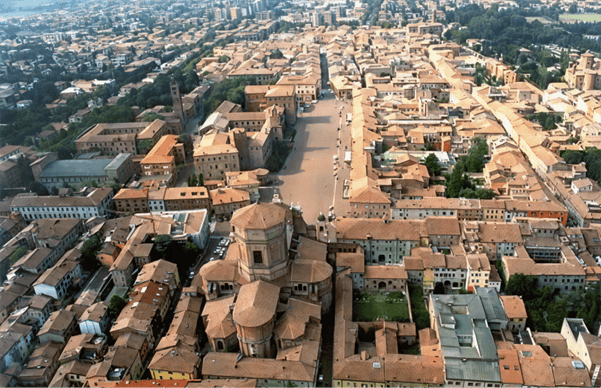
The Mirandola biomedical district is located in the northern area of the Province of Modena and includes Mirandola and the surrounding municipalities within a radius of around 25 km, extending as far as parts of the Province of Mantua. An area once characterised by agri-food, textile and metallurgical industries, it has successfully evolved into a highly specialised manufacturing cluster.
Today, the district’s productive community involves around 5,000 employees across companies and the wider supply chain, establishing itself as one of Europe’s most advanced hubs in the medical technologies sector.
Mirandola Biomedical District: specialisation, supply chain and industrial synergies
The district’s strength lies in the completeness of its supply chain: design, precision mechanical processing, cleanroom assembly, sterilisation and specialised logistics. Companies operate in key segments such as dialysis, parenteral nutrition, cardiac surgery and resuscitation devices, creating an ecosystem where technical expertise, manufacturing know-how and applied research reinforce one another.
Within the regional context, Emilia-Romagna stands out for a robust biomedical sector with a strong innovation focus, supported by a skilled workforce (51.6% technical profiles) and significant female participation (44%). In 2023, investment in research and development reached €130 million, confirming the region’s commitment to supporting companies’ technological growth.
Mirandola Biomedical Sector: exports, international markets and global integration

According to the Emilia-Romagna Districts Monitor, in the first quarter of 2025 the district recorded exports of €131 million. Although the year-on-year change points to a slowdown, this trend is shared by several regional technology hubs and does not undermine the strength of the area’s international relationships.
Export orientation remains one of the Mirandola district’s most distinctive features, with stable, ongoing engagement with partners and operators in the leading advanced markets.
Skills and investment for the future
The district continues to invest in biocompatible materials, automation, robotics and the digitalisation of production processes—key priorities in responding to the medical sector’s transformation. Local companies are developing increasingly advanced solutions to improve device reliability, traceability and safety, integrating digital technologies and intelligent systems into production.
Collaboration with universities, research centres and major international groups helps strengthen technical capabilities and supports the entry of new qualified professionals. This integrated approach positions Mirandola as a strategic hub for the design and development of next-generation technologies, with a growing role in Made in Italy’s innovation.
Biomedical sector opportunities in Mirandola for international companies

The combination of local know-how, manufacturing specialisation and a global outlook makes the Mirandola biomedical district a key reference point for companies operating in advanced medical technologies.
For those looking to invest in Made in Italy, OpportunItaly offers business matching services and tailored support pathways: discover the Mirandola biomedical district and Italy’s other centres of excellence, join the programme.
Sources:
Mirandola biomedical district
Confindustria Dispositivi Medici
Emilia-Romagna Districts Monitor
Symbola
Mirandola Biomedical District: key figures
Location: Province of Modena, northern Emilia-Romagna (25 km radius, extending to Province of Mantua)
Around 5,000 employees across companies and supply chain
Exports Q1 2025: €131 million (Emilia-Romagna Districts Monitor)
R&D investment 2023: €130 million (Emilia-Romagna Region)
Workforce: 51.6% technical profiles, 44% female participation
Specialisations: dialysis, parenteral nutrition, cardiac surgery, resuscitation devices
Full supply chain: design, precision mechanical processing, cleanrooms, sterilisation, logistics
One of Europe’s most advanced biomedical hubs
FAQ