



Augmented reality in Italian museums: innovation and cultural heritage
With over 60% approval, augmented reality in museums is emerging as a key driver for enhancing Italy’s cultural heritage
Why Italy Leads Digital Cultural Innovation
In Italy, the digital transformation of culture is not merely a technological evolution, but a shift in the very way knowledge is created and shared. The introduction of digital tools in museums, from immersive installations to augmented reality, is reshaping cultural mediation, making content more accessible and adaptable to diverse audiences.
Today, according to the Dicolab research on New Technologies for Cultural Heritage Mediation, over 60% of visitors recognize added value in the use of new technologies during museum visits, with even higher levels of appreciation among users more familiar with digital tools.
This data is significant because it shows that innovation is not limited to a niche but engages broad audiences, including those less accustomed to technological tools. At the same time, there is growing attention toward investments in cultural infrastructure focused on digitalization and the integration of culture, tourism, and innovation. Italian museums are thus evolving into dynamic spaces capable of combining preservation and experimentation.

AR in Museums: How It Works and What Changes
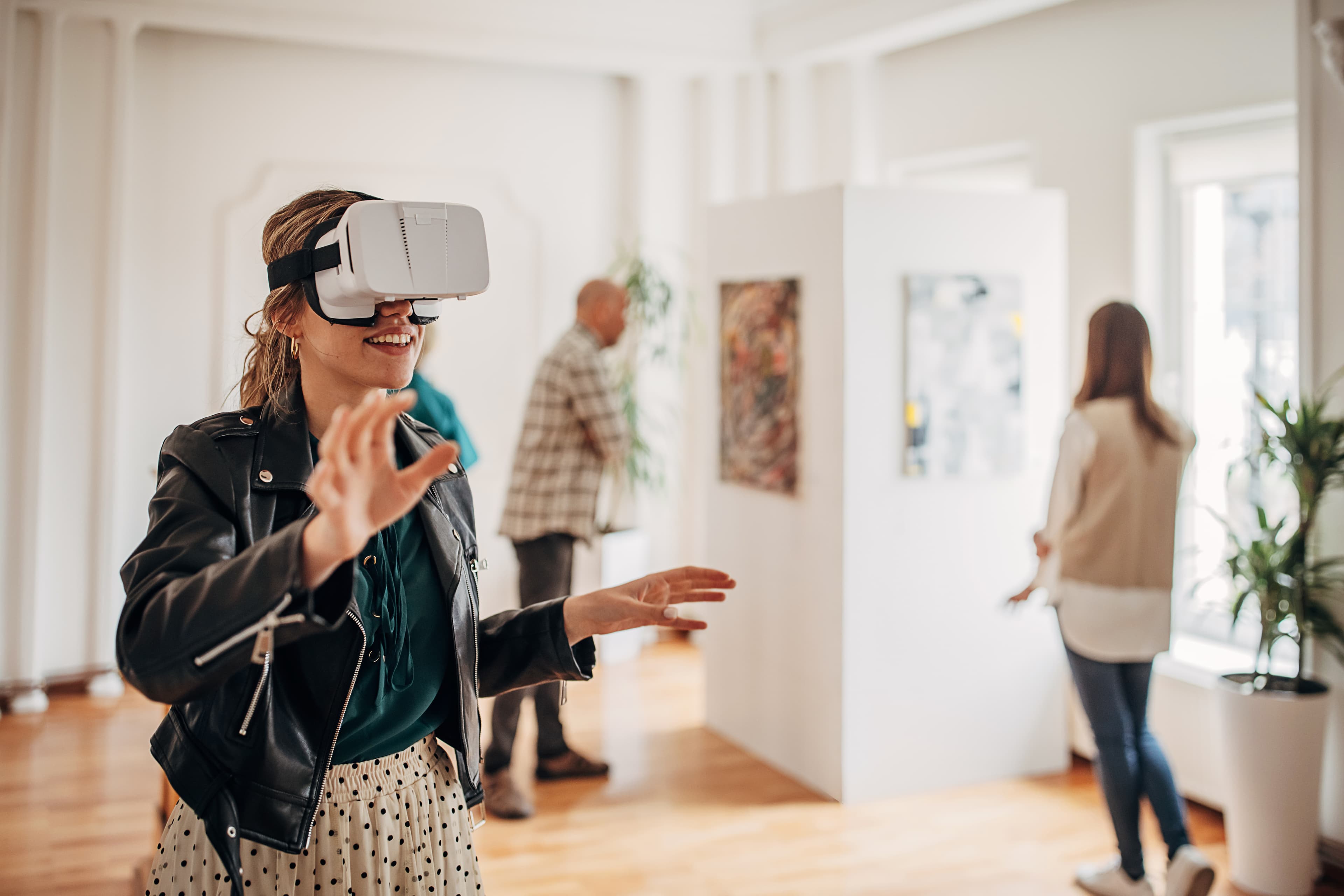
Augmented reality in Italian museums does not replace the physical experience but expands it, adding layers of interpretation activated within real space. Through mobile devices or dedicated installations, visitors can access digital content that overlays artworks: three-dimensional reconstructions, historical insights, and visual and audio narratives. This makes it possible to visualize what is no longer visible and better understand complex contexts.
The most significant change concerns the structure of the visit. The experience is no longer linear and uniform but modular: each visitor can choose how deeply to explore digital museums in Italy, creating a personalized journey.
In a context like Italy, characterized by deep historical stratification, this technology becomes a key tool for making heritage more readable without oversimplifying it.
Italian Case Studies: From the Colosseum to Contemporary Art
The integration of technology and art in museums in Italy develops along two main directions: the enhancement of historical heritage and experimentation in contemporary contexts.
In the case of the Colosseum and the Imperial Fora, immersive technologies make it possible to reconstruct what is no longer visible. Digital reconstructions restore the original configuration of spaces, making functions and dynamics easier to understand. The visit thus becomes an active reading experience of heritage.
At the same time, more experimental approaches are emerging in contemporary museums. Education becomes a central field of innovation, where digital storytelling, interaction, and participation redefine the relationship between audiences and content.
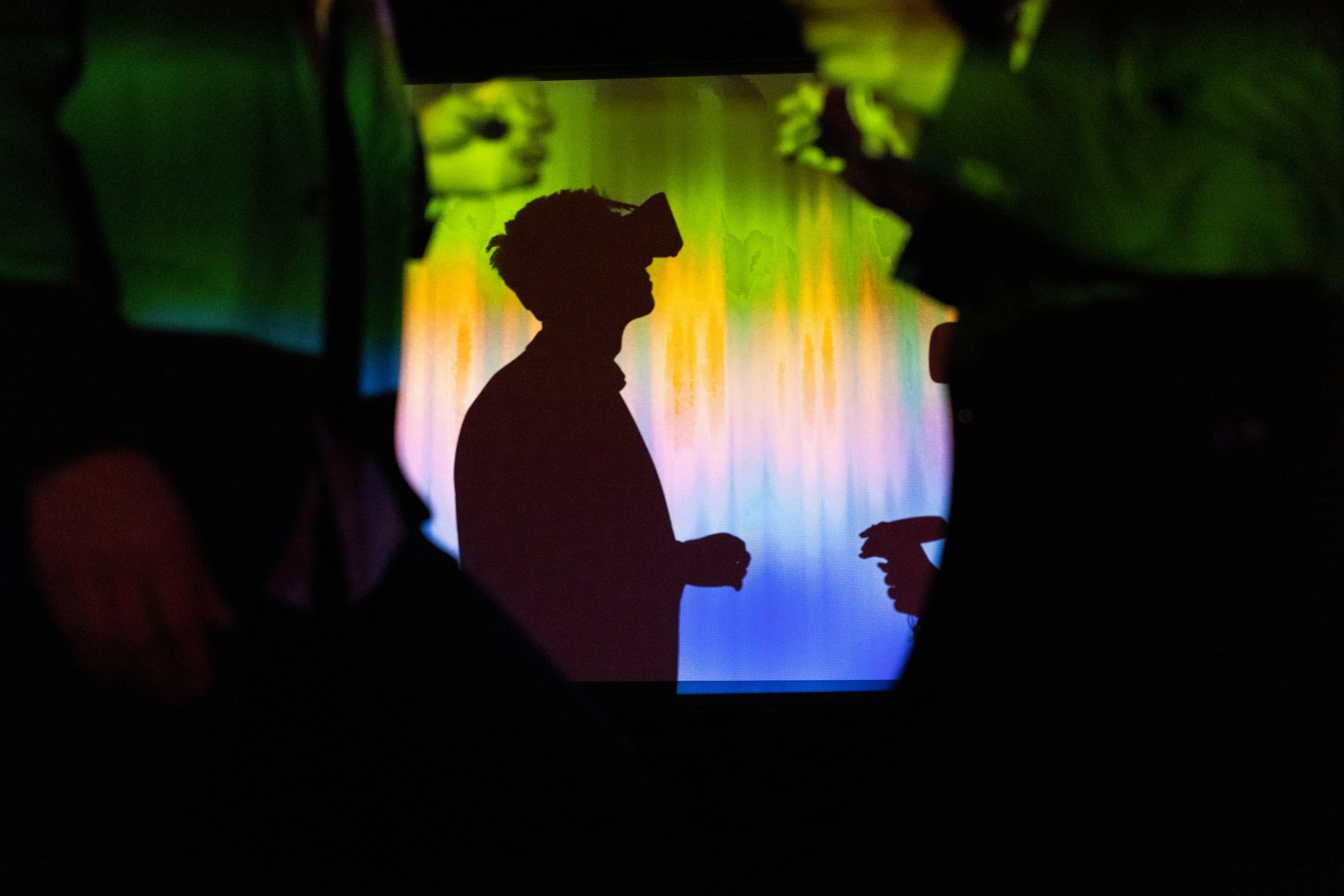
Immersive exhibitions such as “Evolutio” at the National Museum of Science and Technology in Milan demonstrate how museum narratives can develop through digital environments, multimedia content, and narrative paths that connect past and future. In these contexts, technology is not just a support but a structural component of the experience: it builds the narrative and guides its fruition.

Investment Opportunities in Cultural Tech
Immersive experiences in museums are now one of the most promising areas for investment in the cultural sector. By 2025, cultural infrastructure plays an increasingly central role in territorial development strategies, with investments focused on digitalization and the economic enhancement of heritage.
This shift reflects a new logic: the value of culture is not only symbolic but also economic. Immersive technologies help increase the attractiveness of places, improve visitor experience, and strengthen the competitiveness of the Italian cultural system. In this scenario, cultural tech emerges as a field where tourism, innovation, and creative industries converge, generating new opportunities for businesses and territories.
The Future: Immersive Experiences and Digital Twin
While augmented reality enhances the experience, the digital twin redefines its management. Creating a digital replica of a cultural asset makes it possible to monitor its condition, analyze data, and simulate future scenarios. This approach introduces a new dimension in heritage conservation, based on prevention and analysis.
In the case of the St. Peter’s Basilica, the digital twin is used to observe and understand phenomena not visible to the naked eye, supporting more targeted and timely interventions. Cultural heritage thus becomes a dynamic system, where technology not only tells the past but also helps protect it for the future.
Made in Italy Cultural Innovation Supporting Businesses with OpportunItaly
The digital transformation of Italian cultural heritage goes beyond visitor experience, opening new business opportunities for companies. Immersive technologies, augmented reality, and new models of cultural consumption are creating an expanding market where innovation and culture become strategic drivers for international growth. OpportunItaly supports companies operating in this field by fostering connections with global partners and enhancing the role of Made in Italy in the evolution of cultural tech.
In Summary
The augmented reality in Italian museums enhances the visitor experience without replacing it, adding informational and narrative layers directly onto artworks.
Over 60% of visitors recognize added value in the use of digital technologies in museums, with higher appreciation among more experienced users.
In archaeological contexts such as the Colosseum, immersive technologies reconstruct original environments and functions, making heritage easier to understand.
In contemporary museums, digital tools and participatory practices turn audiences into active participants in the experience.
The immersive experiences in museums represent a strategic investment area, capable of increasing the attractiveness and competitiveness of territories.
Advanced technologies such as the digital twin are also transforming the management and conservation of cultural heritage.
Sources:
Artribune
Ricerca Dicolab
Repubblica
Symbola
FAQ - Frequently asked questions about augmented reality in museums