



Italian agri-food exports: record in 2025, sectors and opportunities
Italian agri-food exports are estimated at around €73 billion in 2025, driven by high-value supply chains and a production model rooted in local territories
The numbers behind the 2025 record
There is a figure published by Ismea that best summarizes the trajectory of the Italian agri-food sector: in 2025, exports are estimated at around €73 billion, marking a new all-time high.
This trend is also confirmed by intra-year data: in the first eleven months of 2025, exports reached nearly €67 billion, with a +5% increase compared to the same period of the previous year.
At the same time, the entire supply chain shows positive dynamics: food industry production grew by +4.5% year-on-year in the second quarter of 2025, while agricultural value added also increased, albeit more moderately. This is not just a favorable phase. It is a model that works.
The sectors driving growth
Supporting this result are some of the most dynamic supply chains of Italian food worldwide. The most recent data highlight particularly positive trends across several segments of Italian exports.
The main sectors of Italian agri-food exports
Sector | Export trend | Reference period |
|---|---|---|
Extra virgin olive oil | Significant growth (+17%) | Jan–Sep 2025 |
Cheese | Double-digit increase (+14.9%) | Jan–Aug 2025 |
Cured meats | Positive growth (+5.7%) | Jan–Aug 2025 |
Wine | Global leader by volume | Jan–Dec 2025 |
Wine confirms its central role: Italy remains the world’s leading producer by volume, strengthening an international positioning built on quality and recognizability.
Growth is not uniform: it is driven by supply chains that have already developed a strong international vocation. And it is within local territories that these supply chains are organized and become districts.
Why Italian food is worth more
The success of Italian agri-food on international markets is no coincidence. It is the result of a production model that develops within districts: territorial systems where agriculture, industrial processing, and specialized expertise coexist and reinforce each other.
Here, quality becomes scalable, tradition is transformed into exportable products, and value is distributed along the entire supply chain. This balance is what makes the export of Italian food products solid and competitive, even in complex global contexts.
And it is within local territories that this value takes shape. Italian agri-food districts are numerous and highly diverse: those presented here do not exhaust this variety, but illustrate some trajectories that help explain how the system builds its global competitiveness.
Cheese, rice, and cured meats: the strength of an integrated supply chain
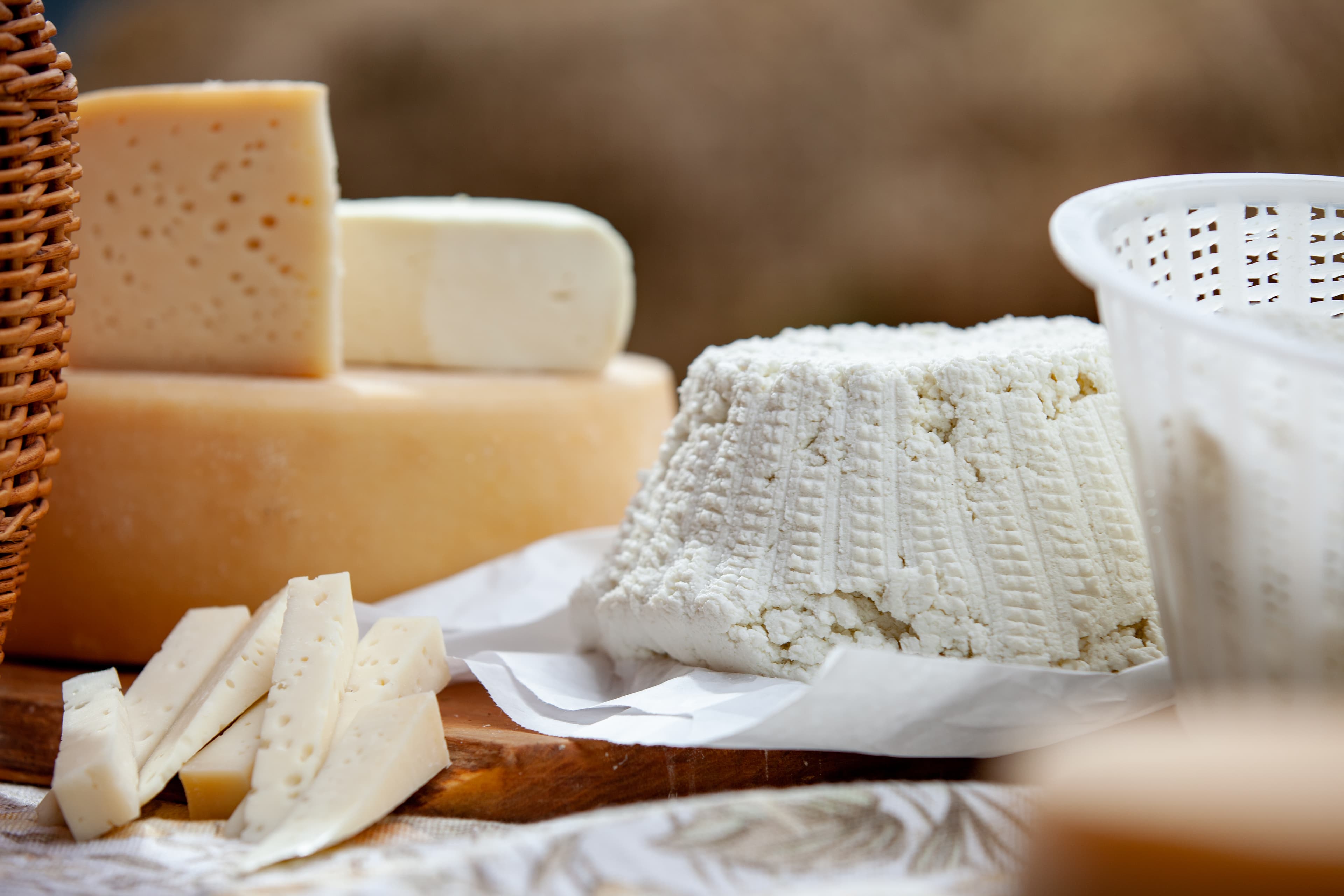
In Northern Italy, this model finds one of its most complete expressions in the Po of Lombardy Quality agri-food district, at the heart of the so-called Po Valley food valley, one of the most advanced systems of integration between agriculture and industry.
With 305 companies, over 9,800 employees, and a turnover close to €5.9 billion, the district stands out for the completeness of its supply chain and its ability to generate value: over €740 million in value added, with export shares reaching up to 39%.
Products such as Grana Padano PDO, Carnaroli rice, and certified cured meats reflect a system where tradition has been transformed into industry, within one of the most structured production ecosystems in Europe. It is also thanks to this structure that the growth of Italian agri-food exports is consistently supported.
Extra virgin olive oil and certified production: quality and identity
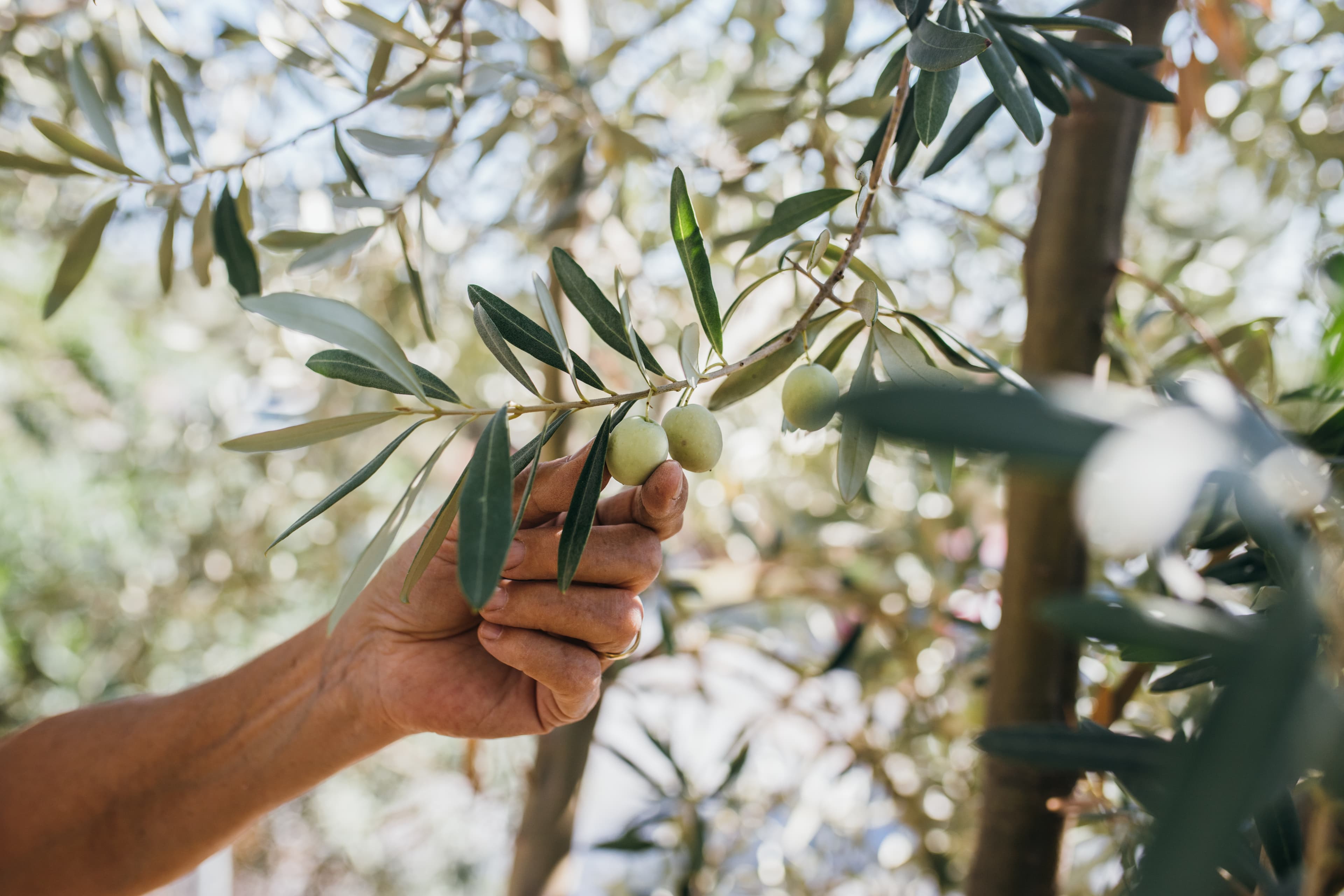
Moving towards Central Italy, the model changes. One of the most representative expressions is the district of certified and protected productions in the Trasimeno–Corcianese area, which stands out for its balance between quality, sustainability, and strong territorial identity.
With 616 companies, over 5,600 employees, and a turnover exceeding €2 billion, the district enhances products such as PDO extra virgin olive oil, DOC Colli del Trasimeno wines, and legumes, building a supply chain deeply rooted in the territory.
The export share, below 20%, highlights a potential that is still expanding. In an international market increasingly focused on sustainability, traceability, and origin, this model positions itself as one of the most promising for the future growth of Italian food worldwide.
Italian wine: when a brand becomes global
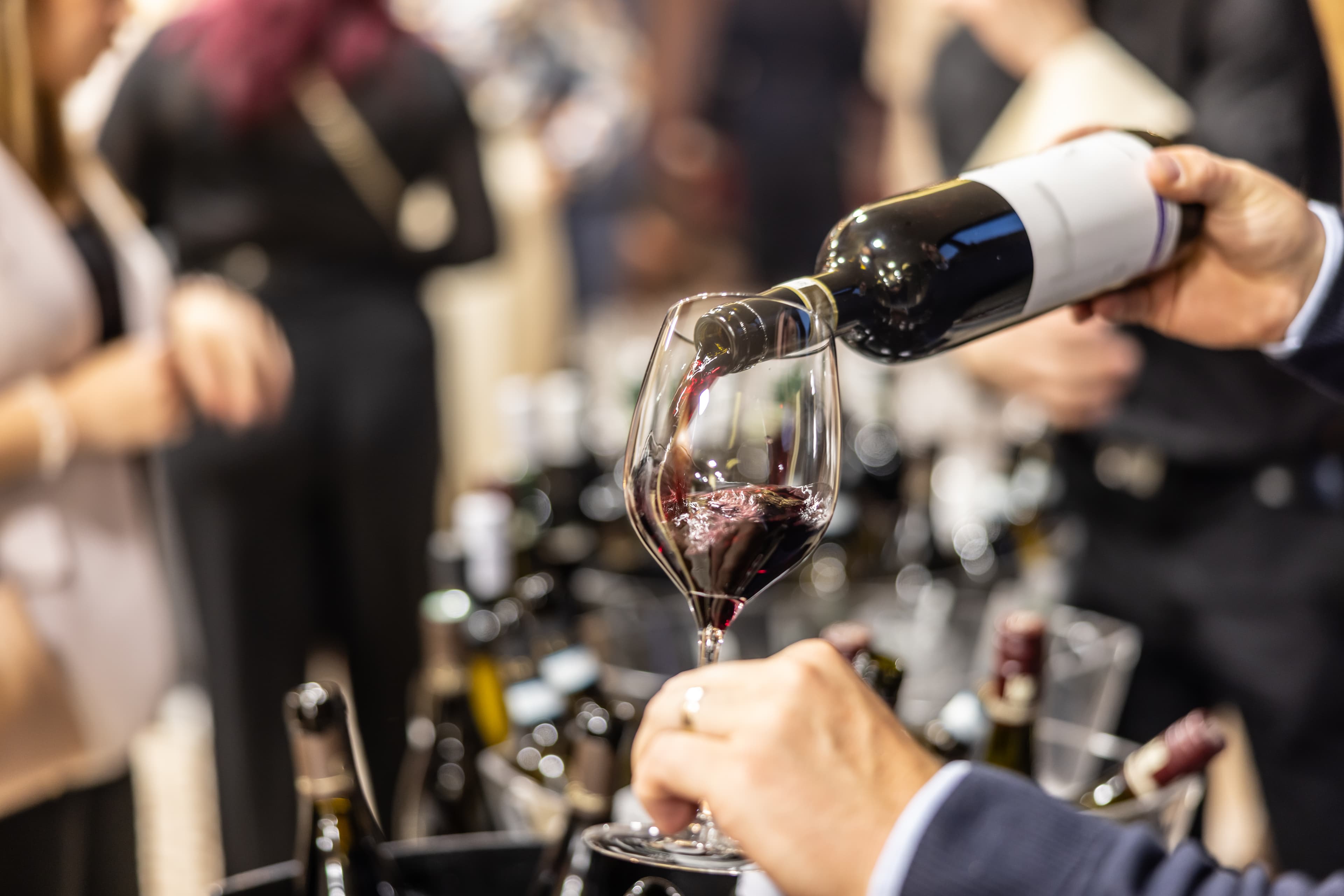
Within the Italian agri-food landscape, one of the most established export expressions is represented by the Chianti Classico – Montalcino wine district, internationally recognized for the quality and premium positioning of its productions.
With an export share between 40% and 59%, the district’s 56 companies generate €659 million in turnover, confirming a strong orientation toward foreign markets.
Denominations such as Chianti Classico and Brunello di Montalcino DOCG represent not only production excellence but true global brands, capable of combining territorial identity, reputation, and international competitiveness.
When exports become a structural component of the production model, the need also grows to support them through international meeting and negotiation opportunities such as Vinitaly, a key global event for the wine sector.
Vinitaly 2026: Verona as a hub for international wine business
From April 12 to 15, 2026, Verona will host a new edition of Vinitaly, one of the most important global events for the wine sector.
The event confirms itself as a strategic platform for meetings between producers and international buyers: the latest edition recorded 97,000 attendees, with over 32,000 operators from more than 130 countries, an increase compared to the previous year.
These figures highlight Vinitaly’s role as a central hub for Italian wine exports, where business relationships are built and new market opportunities are identified.
OpportunItaly: benefits and opportunities for businesses and investors
The growth of Italian agri-food exports and the value of districts highlight a key point: international competitiveness stems from the ability to connect supply chains, territories, and markets. In this context, OpportunItaly positions itself as a platform capable of enhancing Italian excellence and facilitating access to international buyers.
By connecting companies with foreign operators, promoting territorial supply chains, and supporting participation in contexts with a high concentration of international buyers, OpportunItaly strengthens the ability of Italian agri-food Made in Italy to compete and consolidate in global markets.
In summary
In 2025, the Italian agri-food sector reaches a new record, approaching €73 billion in exports.
Growth is driven by high-value supply chains such as wine, cheese, cured meats, and olive oil.
Agri-food districts represent the core of the Italian production model.
Italian food worldwide continues to strengthen its positioning thanks to quality, traceability, and territorial identity.
International events such as Vinitaly foster connections between companies and global buyers.
Platforms like OpportunItaly help make the export of Italian food products more structured
Sources:
Mappa dei distretti industriali italiani
Il Sole 24Ore
Vinitaly
Ismea
Verona Fiere
FAQ