



Made in Italy: What It Really Means and Why It Matters in the World
A unique production system that transforms Italian excellence into global competitive value and is celebrated every year on April 15th during the National Made in Italy Day, promoted by the Ministry of Enterprises and Made in Italy
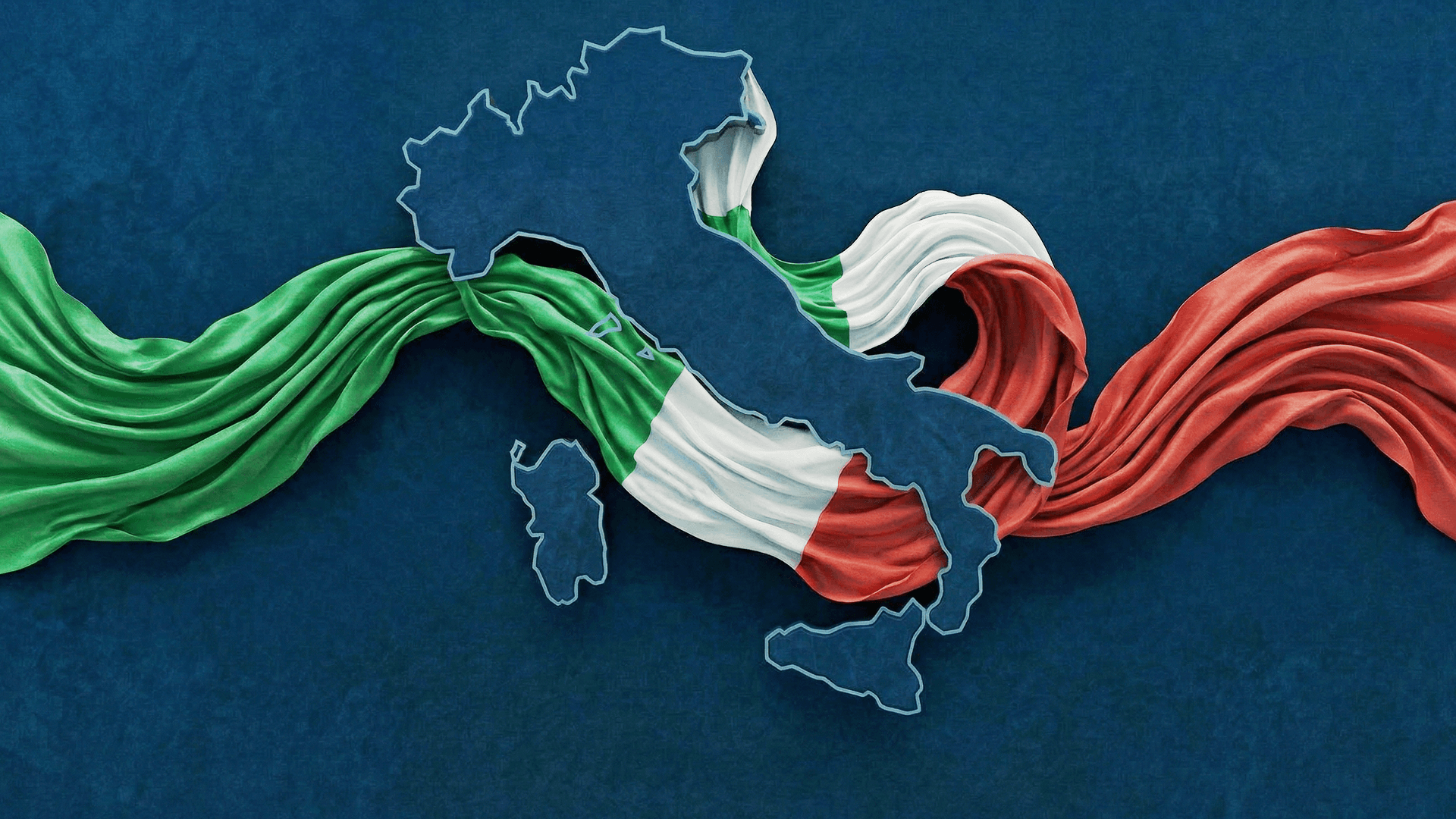
National Made in Italy Day: April 15th celebrates businesses, regions, and Italian craftsmanship.
Made in Italy is a productive system in which culture, creativity, innovation, and industrial capabilities intertwine, giving life to a collective process that transforms Italian knowledge into a value recognized worldwide. The products derived from this system not only serve a function but also incorporate quality, aesthetics, and identity.
To promote this heritage, every year April 15th celebrates the National Made in Italy Day, sponsored by the Ministry of Enterprises and Made in Italy, and established with the Framework Law on the Protection of Made in Italy, aiming to place Italian businesses, regions, and craftsmanship at the center.
The day takes shape in a structured calendar of events, with almost 800 initiatives in Italy and abroad, including over 150 companies and open workshops, 350 public events, 50 immersive exhibitions, and 65 training initiatives, testifying to a dynamic and excellence-rich production network.
The program involves institutions, schools, and businesses, helping to reinforce the social, economic, and cultural value of Made in Italy and its connection with the country's identity.
At the same time, the initiatives promote the protection of distinctive Italian product qualities and encourage new generations to pursue craft and creative professions, which are crucial for the continuity and evolution of production chains, with a growing focus on the role of training and skills.
The choice of April 15th recalls the birth of Leonardo da Vinci (1452), an emblematic figure of knowledge that combines technique, creativity, and vision: the same balance that still defines the identity and strength of Made in Italy.
The Origins and Evolution of Made in Italy
The roots of Made in Italy find fertile ground in Renaissance Italy, where a unique balance between art, science, and technique developed. In this context, a culture of doing took shape, uniting design, material knowledge, and the pursuit of beauty, giving rise to a productive model where function and aesthetics integrate in a distinctive way.
However, it is in the post-World War II period that this heritage transforms into a structured economic system: Italy develops a productive structure based on widespread manufacturing, specialization, and openness to international markets.
During this phase, industries such as fashion, furniture, and food and beverage sectors solidify, contributing to defining the global recognition of Italian products. Over time, this model expanded its international specialization with new high-value sectors, allowing Italy’s productive excellence to distinguish itself globally in terms of identity, positioning, and value.
The Economic Value of Made in Italy
Made in Italy represents a central component of Italy's economy and its presence in international markets, thanks to its ability to dominate high-value segments.
According to data from ITA Agency, in 2025, Made in Italy exports reached 643 billion euros, registering a growth of +3.3% compared to the previous year, confirming the strength of the national production system and the leading role of productions tied to Italian excellence.
This is a particularly significant result in the international comparison: during the same period, export growth was more contained for many advanced economies, highlighting Italy's ability to maintain a positive trajectory in a complex global context.
Geographically, the best performances were recorded in markets such as Switzerland (+14.1%), OPEC countries (+11.7%), Spain (+10.8%), the Middle East (+7.9%), the United States (+7.9%), and India (+7.6%), reflecting Italy’s strong international market presence, according to data from the first eleven months of 2025 from the Ministry of Foreign Affairs and International Cooperation.
This growth is primarily driven by high-value sectors, including pharmaceuticals, along with other industrial and manufacturing sectors that strengthen Italy’s international positioning.

The Excellence of Made in Italy: Sectors Driving Competitiveness
Made in Italy is a complex system that integrates various productive chains, united by high specialization and a strong design identity.
The historical sectors of Made in Italy are traditionally identified as the "5 A's": Food, Fashion, Furniture, Automation, and Automotive, areas in which Italy has developed deep specialization and recognized excellence.
Within this system, Automation occupies a special position: originally developed to meet domestic machinery demands for other sectors, it has progressively established itself as an autonomous, internationally relevant sector, significantly contributing to Italy’s industrial competitiveness.
Alongside traditional sectors, more technologically advanced fields have emerged, including advanced mechanics, one of the main drivers of Italy's trade surplus, pharmaceuticals and advanced medical technologies, shipbuilding, and aerospace.
This evolution reflects a progressive expansion of production specialization, where new sectors of high technological and scientific intensity are emerging alongside traditional industries.
Among these new directions, particular attention is given to the health economy, driven by medical devices and pharmaceuticals, as well as sectors linked to space, defense, and the blue economy, including shipbuilding and marine ecosystem activities.
The result is a model where manufacturing tradition and innovation coexist, reinforcing the international competitiveness of Made in Italy and its ability to dominate high-value segments.
Alongside this productive dimension, an intangible component is equally important: sectors linked to culture, tourism, and creative industries, which contribute to the country’s soft power and highlight distinctive elements such as history and territory, further strengthening Italy’s international positioning.

Italian Industrial Districts: Where Excellence is Born
One of the most distinctive elements of Made in Italy is its territorial roots, expressed in the model of industrial districts.
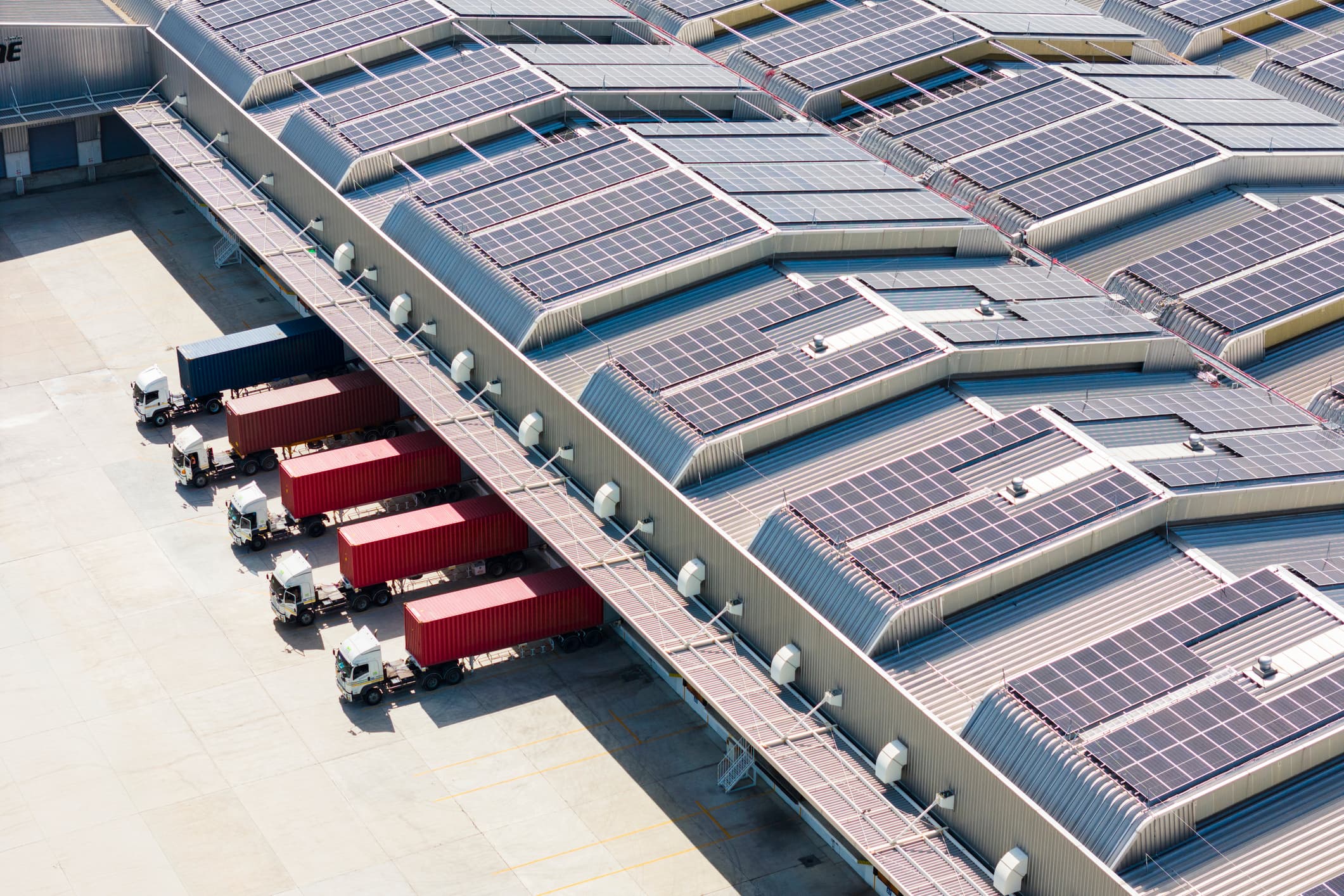
These are productive ecosystems where businesses, expertise, and supply chains concentrate, promoting collaboration, knowledge transfer, and integration between different stages of production.
The OpportunItaly industrial districts map highlights the presence of over 150 Made in Italy districts, along with Local Production Systems (LPS), which form the backbone of Italy’s industrial fabric and reflect its high level of territorial specialization.
According to the report from the Ministry of Enterprises and Made in Italy, this model combines flexibility, widespread quality, and innovation capacity, transforming the territory into a genuine competitive factor.
Certifications and Controls: Quality, Origin, and Value Protection
The competitiveness of Made in Italy is supported by a system of certifications and protection tools that ensure quality, origin, and traceability.
In the food sector, brands such as DOP, DOCG, and IGP ensure the link between product and territory, enhancing local supply chains and distinctive raw materials. This is the case with products like gianduiotto, whose identity is closely connected to ingredients such as the Tonda Gentile hazelnut from the Langhe and a production tradition rooted in the territory.
In the industrial sector, brands, patents, and registered designs protect innovation and intellectual property.These tools help strengthen trust in Italian products and consolidate their positioning in international markets.
Why International Buyers Choose Made in Italy
The success of Made in Italy in global markets is based on a combination of distinctive factors: production quality, recognizability, and adaptability.
Italian companies operate across a variety of markets, maintaining a strong identity and a competitive position in medium-high segments. This allows Made in Italy products to stand out in increasingly competitive international environments.
An additional distinctive element is the structure of the production chains, characterized by high specialization and strong integration between different production stages. This model enables Italian companies to guarantee high-quality standards, flexibility, and customization, aspects that are increasingly important in the decisions of international buyers.
Made in Italy Today: Innovation, Sustainability, and New Challenges
Today, Made in Italy faces significant challenges related to the transformation of production chains and the evolution of global markets.
Counterfeiting continues to pose a risk to the brand's value, while the reorganization of value chains is pushing towards reshoring strategies.At the same time, sustainability and technological innovation are becoming increasingly central to the competitiveness of Italian companies.
Discover Opportunities with OpportunItaly
Exploring Made in Italy means understanding a complex production system made of businesses, supply chains, and expertise that operate globally.
With OpportunItaly, the Italian export acceleration program promoted by ITA Agency, it is possible to make direct contact with highly specialized Italian companies and identify new business opportunities in international markets.
Sources:
European Commission
EUIPO
MIMIT
ITA Agency
Ministry of Foreign Affairs and International Cooperation
In sintesi
Made in Italy is a system where culture, creativity, innovation, and industrial capability intertwine, creating a collective process that transforms Italian knowledge into value recognized worldwide.
Every year, April 15th celebrates the National Made in Italy Day, honoring businesses, regions, and Italian craftsmanship, enhancing their economic, social, and cultural role.
In 2025, Made in Italy exports reached 643 billion euros (+3.3%), confirming the strength of Italy’s system in a complex global context.
Made in Italy is based on the historical sectors of the "5 A's" (Food, Fashion, Furniture, Automation, Automotive), and expanded to high-tech sectors like advanced mechanics, pharmaceuticals, shipbuilding, and aerospace, reinforcing its competitiveness abroad.
More than 150 industrial districts and local production systems represent the heart of the Italian model.
Certifications, brands, and patents strengthen trust and the positioning of Made in Italy products in global markets.
FAQ