



Sustainable design: the material reshaping the future
Biomaterials and circular principles are redefining Italian design, turning sustainability into a tangible driver of innovation and competitiveness.
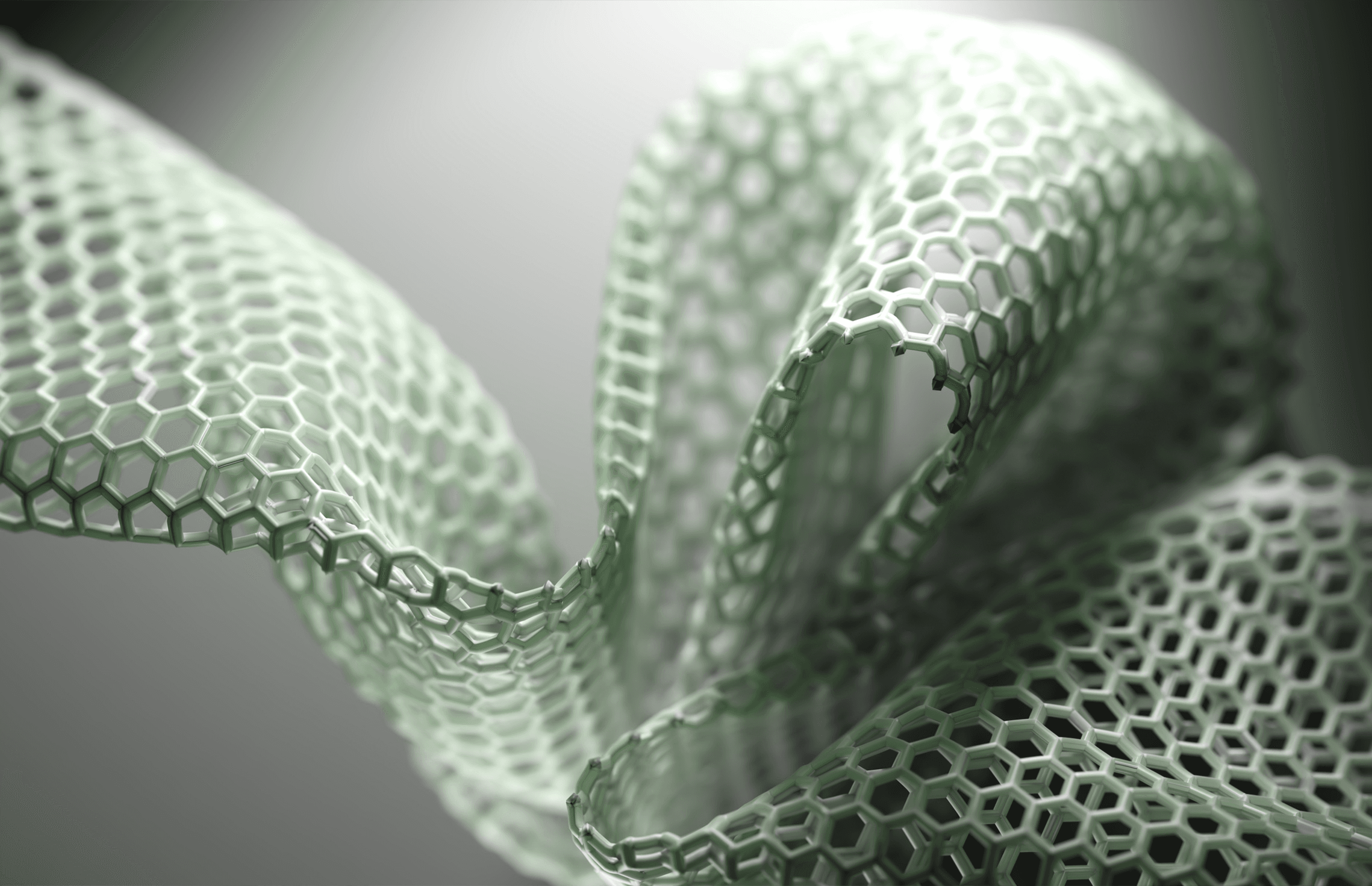
In contemporary Italian design, materials are finding their voice. They are no longer an invisible element of the project, but the starting point from which aesthetics, performance and environmental impact are defined. Regenerated surfaces, bio-based materials and circular processes tell the story of a quiet transformation that also emerged at the latest Milan Design Week: design is no longer limited to creating forms, but is rethinking the very way in which things exist.
This cultural evolution is not just a statement of intent, but a measurable change already under way. According to the Recycling in Italy 2025 Report, Italy recorded a circular material use rate (CMUR) of 21.6%, almost double the European average (12.2%). This is not merely a symbolic achievement: it means that an increasing share of materials is being brought back into production processes, turning circularity from a design vision into industrial infrastructure.
Sustainable Design Materials: wood after wood, between memory and transformation
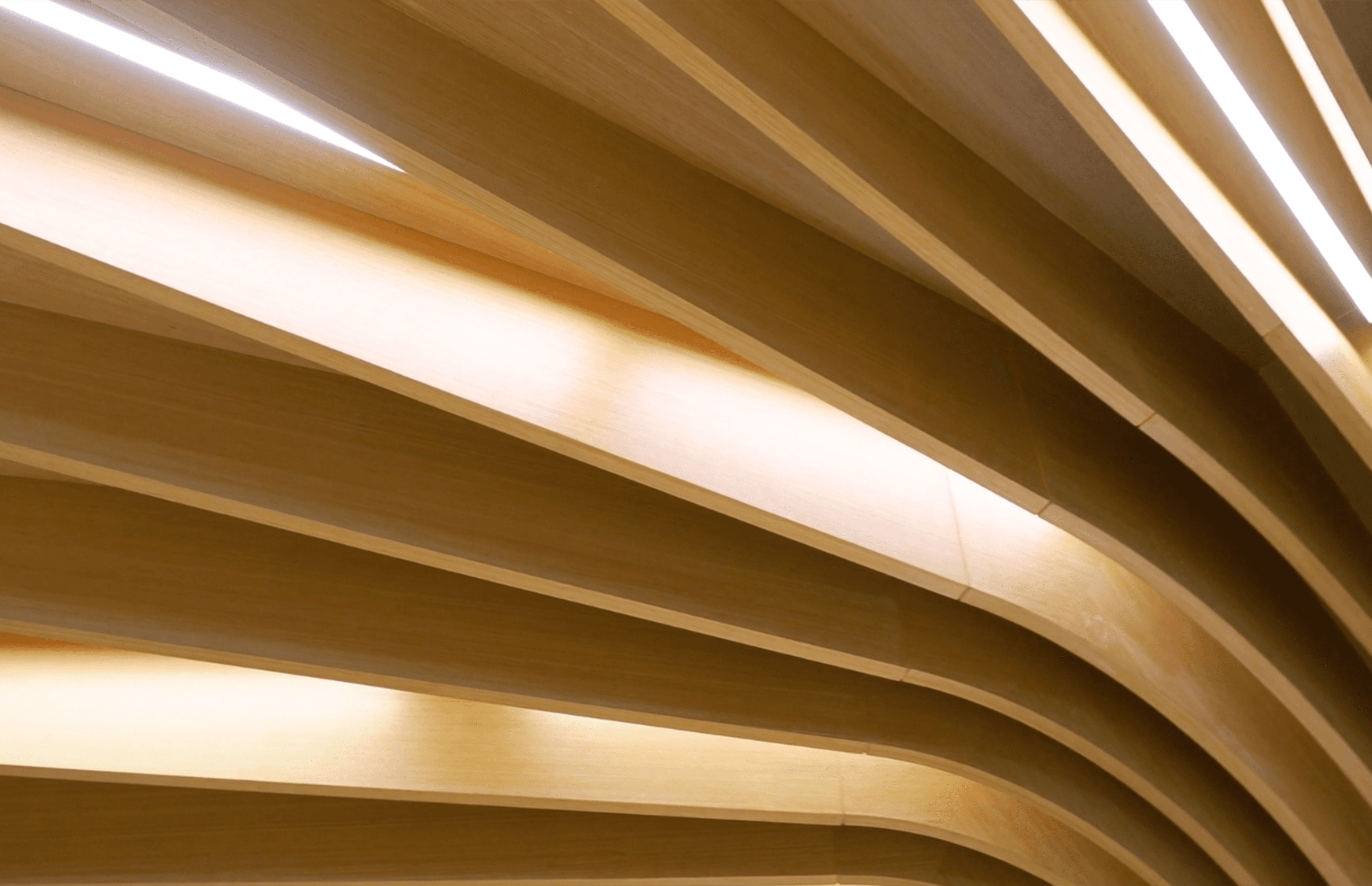
Wood remains an iconic material in Italian design, now often reinterpreted through practices of recovery and waste valorisation. Production residues and offcuts are transformed into advanced surfaces and composites, reducing the use of virgin resources. Imperfections become part of the aesthetic language: irregular grains and layered textures reveal the process of wood transformation, combining quality, durability and waste reduction.
Regenerative Materials: Recycled Plastic and Biocomposites in Italian Circular Design
Plastic, too, is being rethought according to new circular principles. Mechanical and chemical recycling processes make it possible to turn plastic waste into secondary raw materials with high quality standards. This approach reduces dependence on fossil resources and lowers the environmental footprint of production cycles, allowing design to use regenerated materials without compromising performance.
Alongside regenerated materials, a new generation of natural biocomposites is also emerging, developed by combining organic and mineral elements such as plant fibres, natural earths and mineral oxides. These materials not only offer aesthetic qualities and structural strength, but also introduce advanced properties, such as photocatalytic surfaces that can help improve air quality.
This rethinking of materials also extends across the packaging sector, one of the most significant for the design and furniture industry. In 2024, the recycling rate reached 76.7%, surpassing European targets ahead of schedule and confirming the maturity of Italian supply chains in the valorisation of post-consumer materials.
Sustainable Design Innovation in Everyday Objects: Biomaterials and Circular Packaging
Materials innovation also involves everyday objects. The use of bio-polymers derived from starch and cellulose makes it possible to develop compostable or more easily recyclable packaging, reducing environmental impact throughout the product’s life cycle.
Among the most interesting experiments are new types of coffee pods designed to reduce the presence of plastic components and simplify end-of-life management. Some projects introduce compressed pods and alternative materials, showing how design can improve the sustainability of widely used products without altering the user experience.
Biomaterials: when the material grows
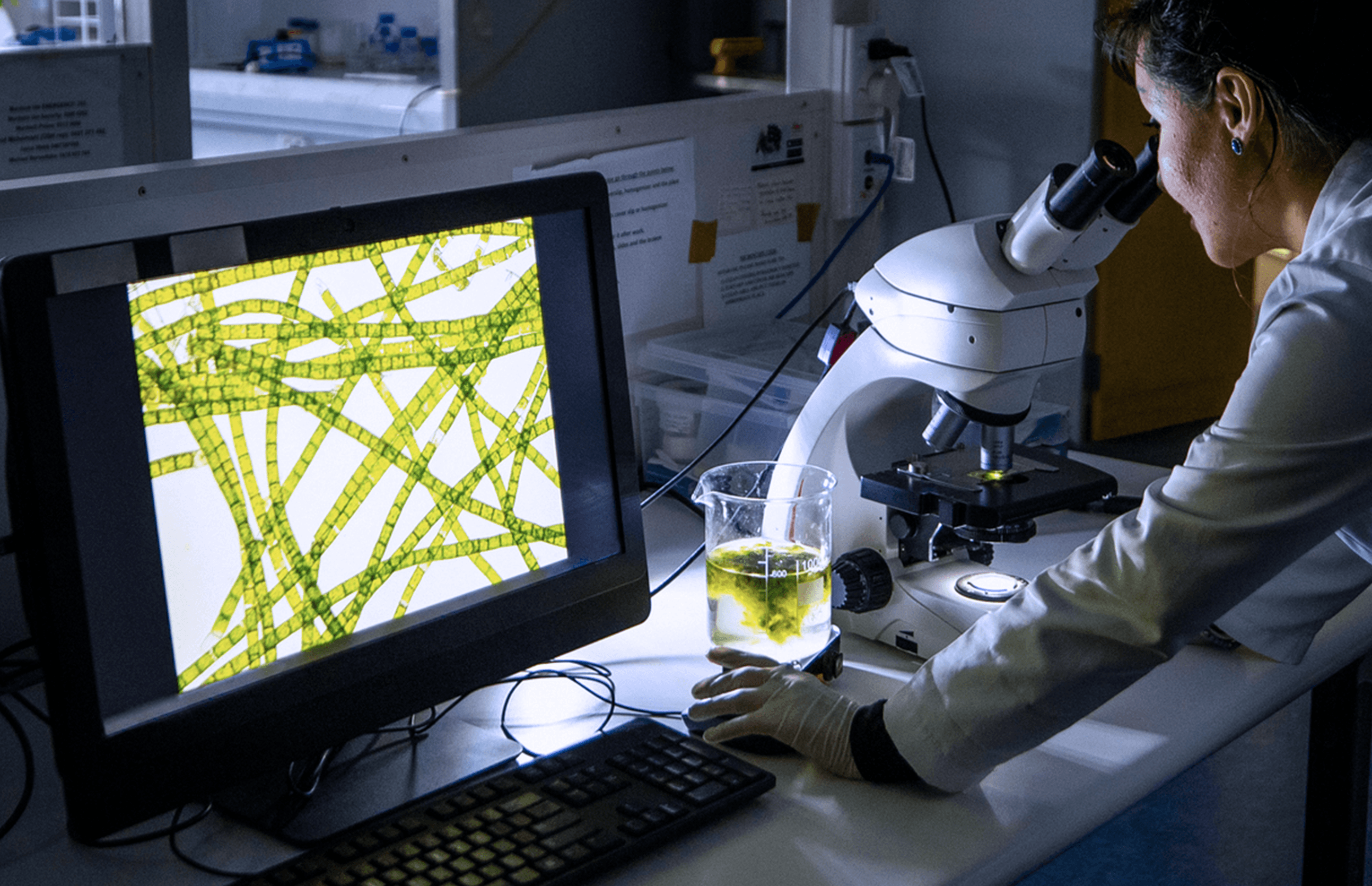
The most advanced research explores living biomass and biological processes as design tools. Algae, natural fibres, bacteria and mycelia are no longer seen merely as resources to be transformed, but as active systems that can be cultivated and guided in their development.
Materials are programmed through growth, transformation and drying, generating surfaces and low-impact structures. This approach reduces the use of traditional resources and introduces a more regenerative production model, in which design works in dialogue with natural processes rather than replacing them. In this way, biodesign expands the scope of industrial design, integrating nature, scientific research and design culture.
Circular Design: Made in Italy Excellence in Global Markets
The integration of materials research, design culture and industrial sustainability strengthens the international positioning of Made in Italy design. Biomaterials, upcycling and circular processes are no longer a niche area of experimentation, but strategic levers for companies targeting global markets.
In this context, Italian design exports not only products, but also design models and production approaches that are increasingly in demand on international markets. OpportunItaly promotes these capabilities by facilitating connections between Italian companies and international partners interested in low-impact solutions. Join the programme and discover how to integrate sustainable innovation and Italian design into your international growth strategies.
Italian sustainable design: key figures
Italy CMUR 2025: 21.6% — almost double the European average (12.2%)
Packaging recycling rate 2024: 76.7% — ahead of European targets
Materials in use: reclaimed wood, natural biocomposites, recycled plastics, biopolymers
Living biomaterials: algae, mycelium, plant fibres, bacteria
Applications: furniture, packaging, everyday objects, industrial design
Reference showcase: Milan Design Week 2025
Sources:
Fuorisalone
Fuorisalone
Symbola
Repubblica
Il riciclo in Italia - Rapporto 2025