



Marisa Bellisario and the revolution in women’s leadership in Italian business
From Olivetti to Italtel: Marisa Bellisario redefined Italian managerial leadership and paved the way for female entrepreneurship in Italy’s technology sector.

There are figures who do not follow change, but anticipate it. When Marisa Bellisario joined Olivetti in 1959, she was the only woman among hundreds of engineers. In an industrial Italy still dominated by traditional models, this marked the beginning of the journey of a figure destined to redefine the role of managerial leadership and demonstrate how technological innovation and openness to global markets could become decisive levers for industrial transformation.
Marisa Bellisario and Olivetti: the origins of an Unconventional Leadership

Source: Wired.it
Born in Ceva in 1935, her career took shape at Olivetti, one of the most advanced environments in post-war Italian industry, where technology, research, and international vision were redefining the very concept of business. Here, Bellisario developed managerial skills focused on change, which were also consolidated through professional experiences abroad.
In 1981, she took the leadership of Italtel, then a large industrial group with around 30,000 employees and critical economic results. Her appointment was met with scepticism, but within a few years, she initiated a reorganisation process that brought the company back to profitability and strengthened its technological positioning. During her leadership, the qualified female presence also increased significantly, with the percentage of female graduates among employees growing from 5% to 27%, contributing to a profound cultural and organisational change within the company.
In the same years, she expanded her commitment on an institutional level, participating in the National Commission for Equality between Men and Women and leading the section dedicated to new technologies. In this context, she supported the role of innovation as a lever for professional emancipation, promoting the idea that research, training, and technological development could open new opportunities for female presence in the most advanced sectors of the economy. This commitment marked the beginning of a broader vision, aimed at fostering policies and initiatives to support female entrepreneurship and work in a transforming industrial context.
A New Era for Female Entrepreneurship in Italy
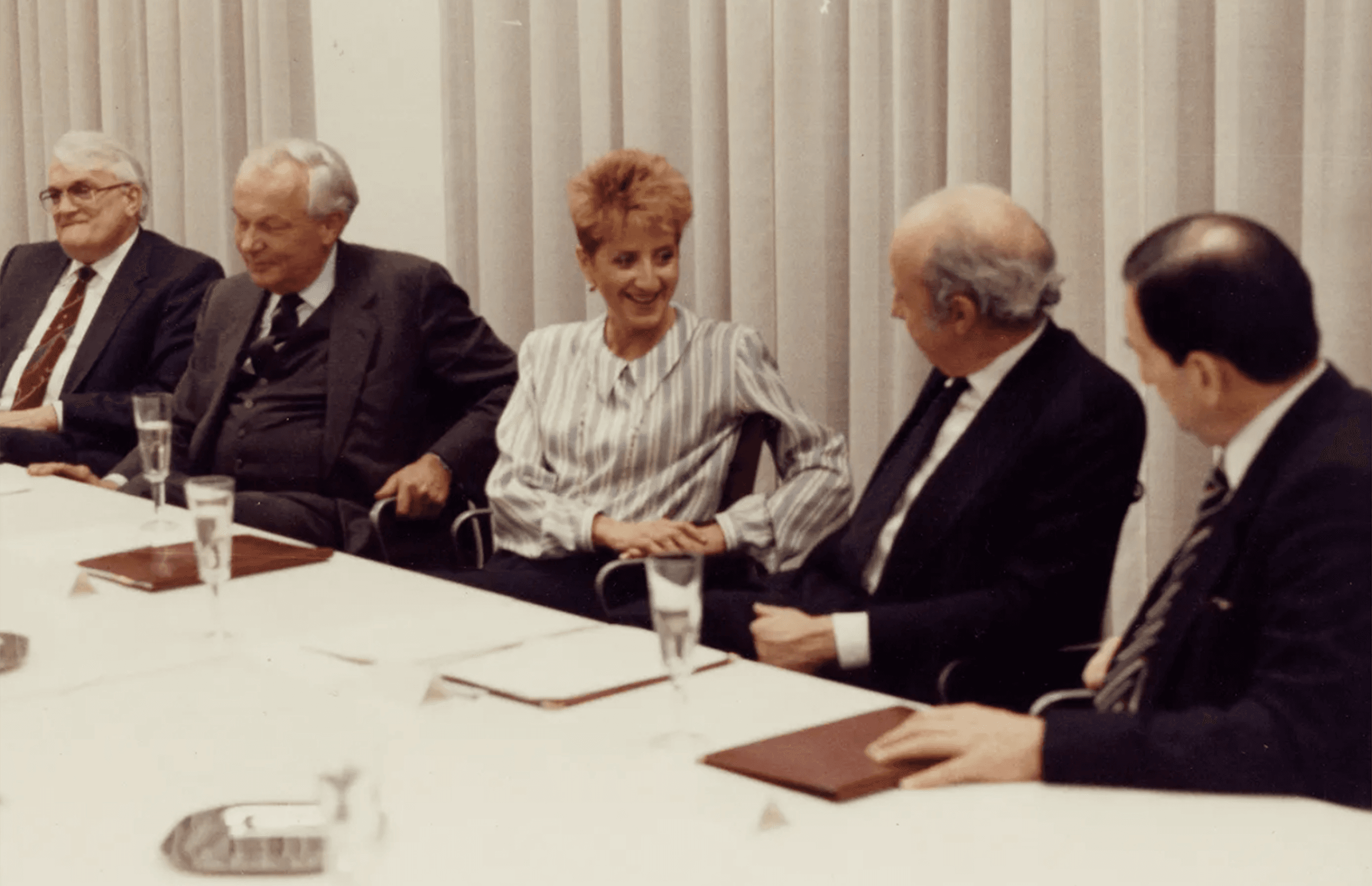
Source: Wired.it
Marisa Bellisario's story is part of a dynamic that is now evident in the Italian production fabric: the growth of female entrepreneurship as a structural component of the economy. According to data from the CGIA Studies Office, Italy is the European country with the largest number of female entrepreneurs: by 2024, the number of independent female workers reached 1,621,800, accounting for 16% of employed women.
The trend continues in 2025, with a growth of +2.7% in women-led businesses in the first nine months of the year, more than double the growth of male-led businesses (+1.1%). 71% of these businesses are concentrated in services and commerce, but female presence is also significant in high-value social sectors such as healthcare, education, research and hospitality.
More than a numerical figure, this represents a qualitative change: more flexible organisational models and new management methods help strengthen the resilience of the production system.
Who is Marisa Bellisario: a Legacy That Speaks to the Present
In anticipation of International Women’s Day, Marisa Bellisario’s figure offers a concrete key to understanding: not an isolated exception, but a trajectory that today finds continuity in the growth of women-led businesses.
Her journey demonstrates how technical skills, decision-making abilities, and international openness can become decisive factors in addressing economic transformations.
From Individual Leadership to Global Connections
While figures like Marisa Bellisario have helped redefine the role of leadership in the Italian industry, today the challenge is to make these experiences accessible to a growing number of businesses. In an increasingly interconnected economic context, tools that facilitate dialogue between businesses and global markets are becoming essential.
OpportunItaly was created with this goal in mind: to bridge the gap between Italian entrepreneurial talent and international demand, fostering new collaborations and supporting companies and stakeholders in exploring opportunities in foreign markets. Join the programme and discover how to enhance your business through new global connections.
Marisa Bellisario: key dates
Born in Ceva in 1935, died in Rome in 1988
1959: joins Olivetti as the first woman in a significant technical role
1970s: international professional experience and consolidation of managerial expertise
1981: appointed president of Italtel (around 30,000 employees, financial losses)
Italtel returned to profitability within a few years under her leadership
Graduate women employees at Italtel: from 5% to 27%
Member of the National Commission for Equality between Men and Women
First woman to lead a major Italian industrial technology group
Sources:
Treccani
CGIA Studies Office
Bellisario Foundation
Encyclopedia of Women