



Federico Faggin and the microchip: the Italian innovation that revolutionized global technology
Who invented the microchip? The first microprocessor - the Intel 4004 - was designed in 1971 by Federico Faggin, an italian physicist and engineer, who led its development and helped usher in the digital era.
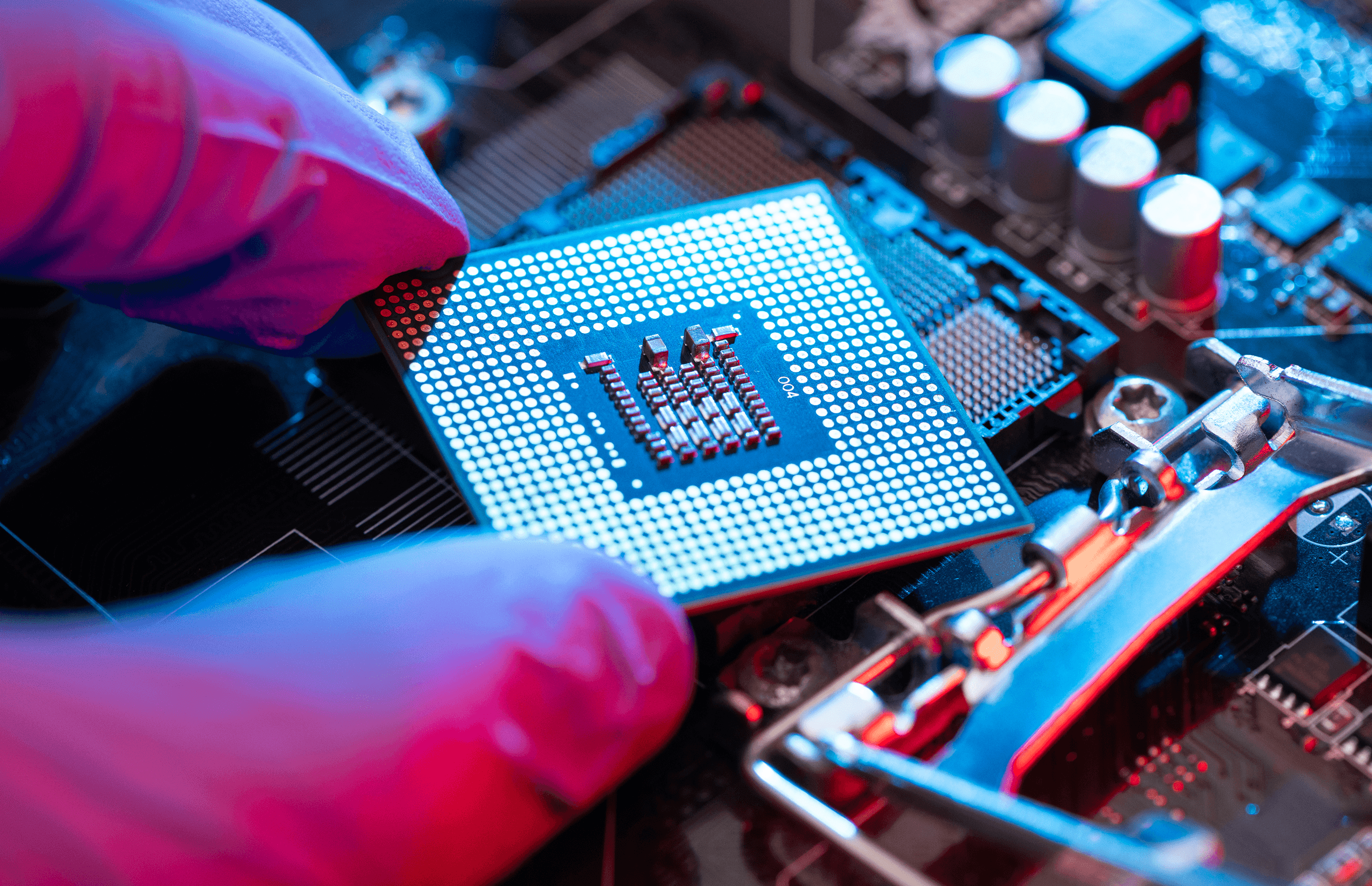
The microchip: the spark of the Digital Revolution
Among the inventions that shaped the twentieth century, few can rival the microchip. This tiny silicon component made possible the digital world we live in today: computers, mobile phones, satellites, artificial intelligence, and cybersecurity systems.
Its inventor? Federico Faggin, an Italian physicist who, in 1971, designed the world’s first microprocessor — a breakthrough that radically transformed technology and paved the way for an era in which computing became accessible to everyone.
Federico Faggin: from Italy to Silicon Valley for the Digital Revolution
Federico Faggin was born in Vicenza in 1941. After earning a technical diploma and a degree in Physics from the University of Padua, he began his career at Olivetti and SGS, where he worked on early integrated circuits.
In the late 1960s, he moved to the United States, to the heart of Silicon Valley. There, in 1971, he designed the Intel 4004, the first commercial microprocessor — a chip just a few millimeters wide that condensed the computing power previously requiring entire cabinets of machines. From that moment on, nothing would ever be the same.
Before this epoch-making invention, computers occupied entire rooms and required enormous resources. The microprocessor, instead, concentrated that same power into a chip just a few millimeters in size.
The device marked a revolution not only in terms of size but also in its ability to make knowledge and technology accessible to all.
This shift was not just about miniaturization — it was about democratization. Computing became available to a much wider public, paving the way for personal devices and, later, for the Internet itself.
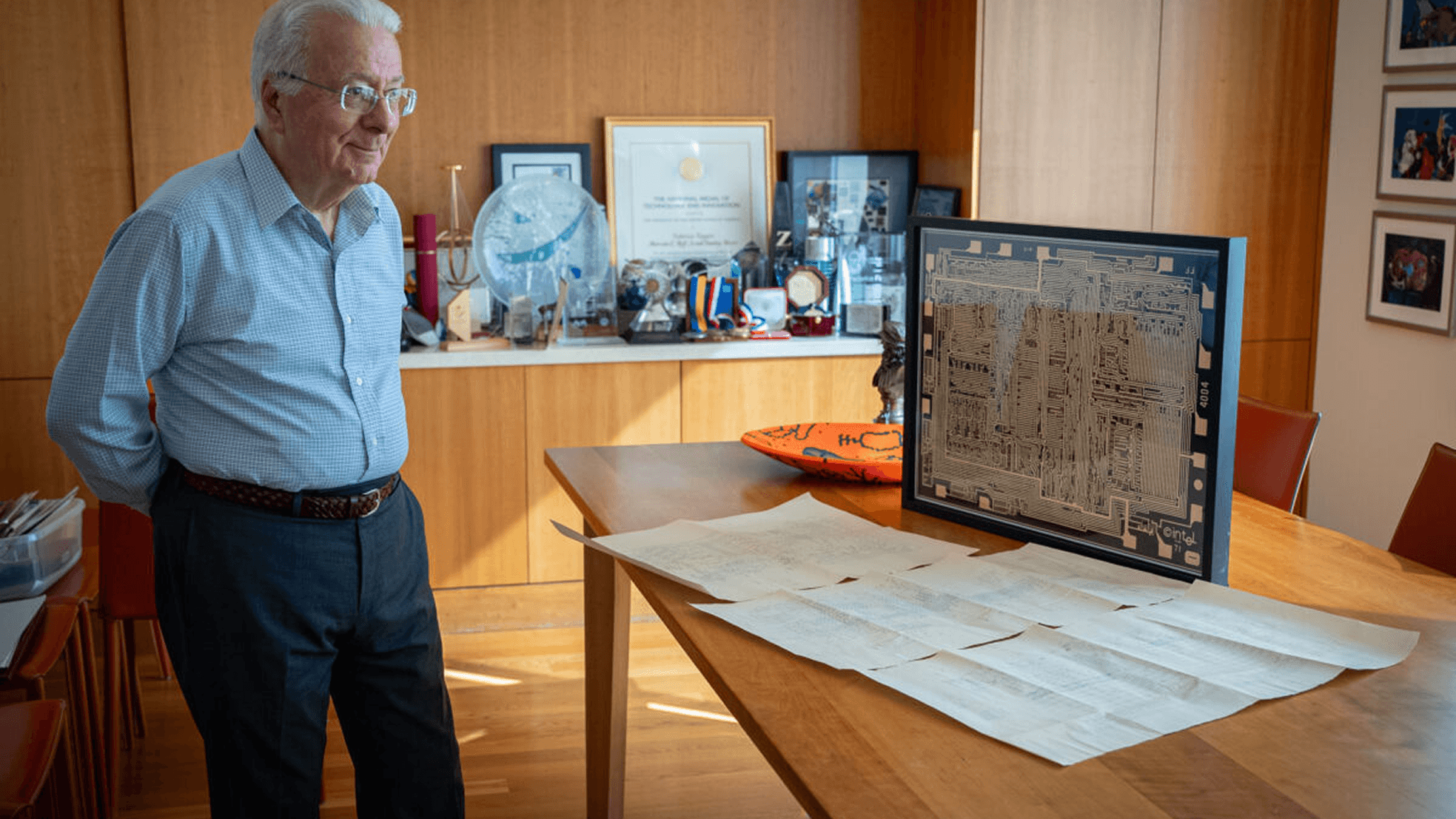
Source: fortuneita.com
The microchip represented a revolution not only in terms of size, but also in its ability to make accessible and share what had previously been exclusive. This breakthrough did not simply mean miniaturisation: it meant democratisation. Computing became accessible to a much wider audience, paving the way for personal devices and - later - for the Internet.
Much more than the “Father of the Microchip”
Faggin’s name is often associated solely with the microprocessor, but his career is filled with other groundbreaking innovations. As early as 1968, while at Fairchild Semiconductor, he developed Silicon Gate Technology, which made chips faster and more reliable — a technology that still underpins modern electronics today.
After the 4004, he contributed to the development of the Intel 8008 and 8080 processors, both crucial to the first personal computers. He then decided to take the leap and founded his own company, Zilog.
There he created the Z80, a microprocessor that powered millions of computers, consoles, and embedded systems around the world — and remained in production for decades. With the Z8, he pioneered the microcontrollers that today drive household appliances, automobiles, and industrial devices.
In the 1980s, he founded Cygnet Technologies, anticipating the integration between computing and telecommunications. Then in 1986, he established Synaptics, the company that would create the first touchpads and capacitive touchscreens — innovations that changed the way we interact with technology and laid the foundation for modern smartphones.
An invention that still drives the future
The microchip is not merely a technological component — it is a strategic asset for contemporary society. Today, it can be found everywhere:
in satellite navigation systems;
in cybersecurity and data protection;
in aerospace missions;
in the devices we carry in our pockets every day.
And as new frontiers such as quantum computing, robotics and artificial intelligence emerge, Faggin’s legacy continues to inspire innovators and entrepreneurs worldwide.
Italian excellence that inspires the world
Federico Faggin’s story is that of an engineer and scientist who brought his talent from Italy to Silicon Valley, shaping the future of global electronics.
Today, his visionary ideas live on in our everyday gestures — sending a message, touching a screen, browsing the web. His work reminds us that innovation is not only about technological progress, but also about creating opportunities for the advancement of humanity.
Discover how Italian talent and innovation can make a difference for your business:
with OpportunItaly, you can access tools, data, and connections to take your innovation beyond national borders.
Summary:
Federico Faggin is an Italian physicist born in Vicenza in 1941. Designed the Intel 4004 in 1971, the world's first commercial microprocessor
Before the microprocessor, computers filled entire rooms; Faggin concentrated the same computing power into a chip just a few millimetres across
His career goes far beyond the 4004: he developed Silicon Gate Technology, the Intel 8008 and 8080 processors, Zilog's Z80 microprocessor, and the first touchpads through Synaptics
The microchip now underpins satellite navigation, cybersecurity, space missions, artificial intelligence and smartphones
Sources