



Record-breaking Italian solar photovoltaic power: 44.3 TWh of energy generated in 2025
Production grew by 25.1% in Italy, confirming PV solar panels' role in the nation's energy transition.
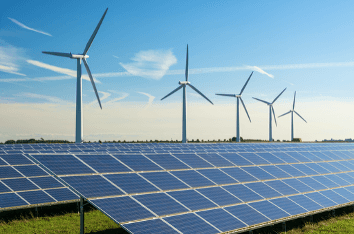
Solar energy is one of the main drivers of Italy's energy transition. The country's decarbonization is progressing under the banner of photovoltaic power, which in 2025 reached an all-time high for the sector. The installed systems enabled a record level of production to be achieved, reaching a total of 44.3 TWh. This result demonstrates the importance of renewable energy throughout Italy, where solar power continues to play a prominent role, thanks to advances in specialized expertise and technologies.
Capacity and new installations are on the rise in Italy
The development of know-how and the professions working in the photovoltaic sector has also been reflected in the growth of production, but that's not all. According to Terna, Italy's installed photovoltaic capacity had reached approximately 43.5 GW by the end of last year. This figure was made possible by the number of solar installations, which have grown steadily in recent years throughout the country.
Comparing 2025 with 2024 gives a clear picture of the expansion of facilities across the entire peninsula. In fact, as of September 30, 2025, more than two million systems were connected, with a total capacity of 41.1 GW. Compared to the end of 2024, however, there was a 9% increase in the number of installations and an 11% increase in capacity.
These figures provide a much broader and clearer overview of the sector. In fact, the supply chain is at a later stage of development than the initial phases of capacity expansion. The ongoing growth in power output and new installations focuses attention on the entire solar panel life cycle, where expertise in system maintenance and management becomes crucial.
Annual production, therefore, no longer depends solely on the number of modules present in Italy, but also on their ability to operate efficiently and effectively. Management and organizational skills are thus combined with environmental knowledge that enables the optimal use of renewable energy sources.
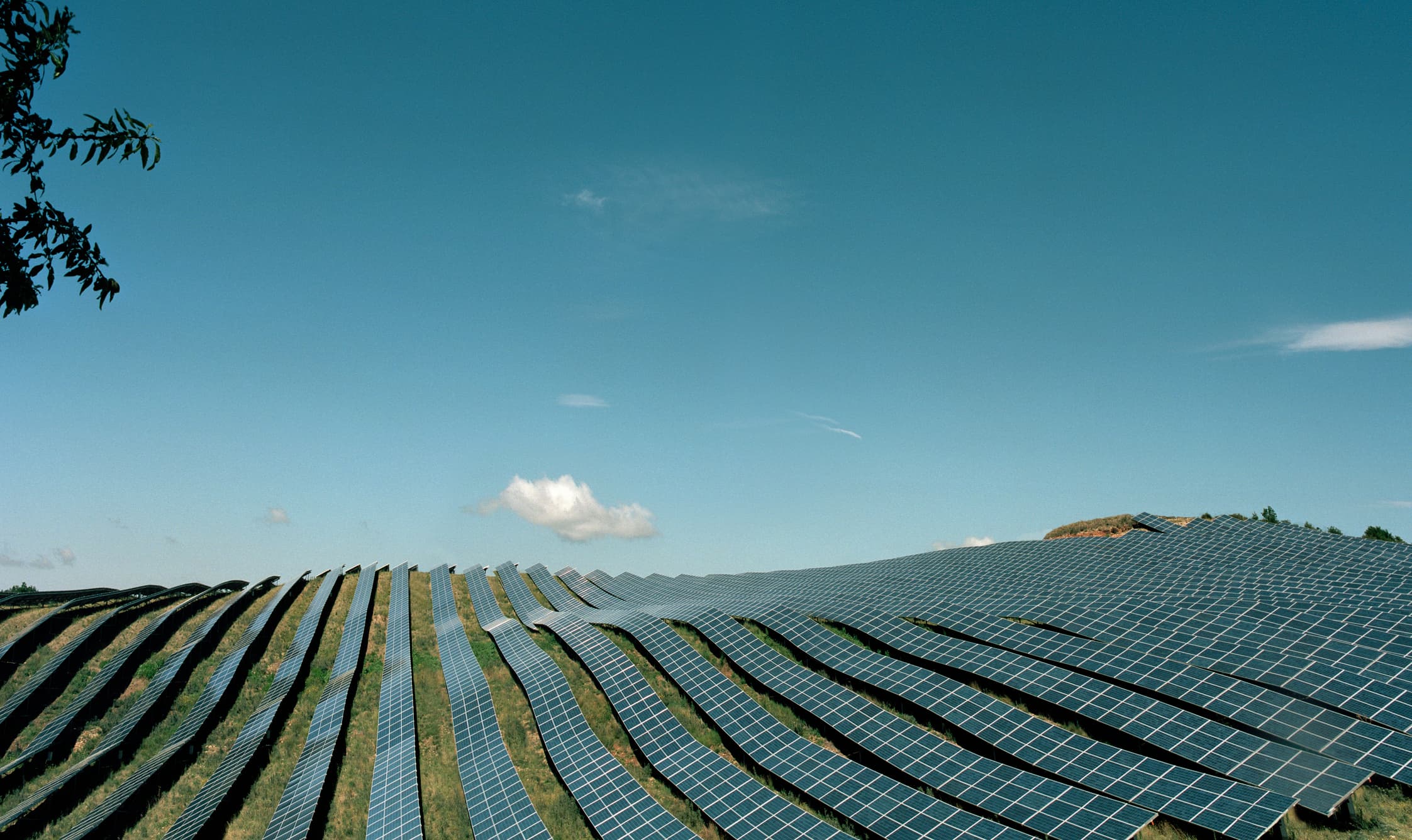
Renewable sources are Italy's second lifeblood
Over the years, alternative sources have accounted for an ever-increasing share of energy production. Solar photovoltaic development is part of a broader context in which Italy is moving toward an energy transition.
As reported by La Repubblica, in 2025, renewable sources covered approximately 48% of the electricity produced by the country. Thus, not only does solar PV play an important role in national production, but other alternative energy sources do as well, shaping a multifaceted system in which a variety of technologies contribute to decarbonization.
In addition to photovoltaics, Italy can rely on several alternative energy sources thanks to experience and technologies that have been honed over time. These include geothermal energy and green hydrogen. The former represents Italian know-how with historical roots, with the first plant built in Tuscany in 1904, which enabled the development of knowledge and engineering. The latter, on the other hand, presents a major opportunity for the country. According to PWC, Italy aims to convert defunct industrial sites, particularly in Puglia, Sicily, Campania, and Piedmont, planning to invest up to €90 billion by 2050.
From installation to management: how the supply chain is evolving
As the energy supply chain evolves, not only do its key players change, but so their needs and those of the facilities themselves. Organization and design require broader assessments that include aspects related to solar exposure, environmental conditions, management, and storage.
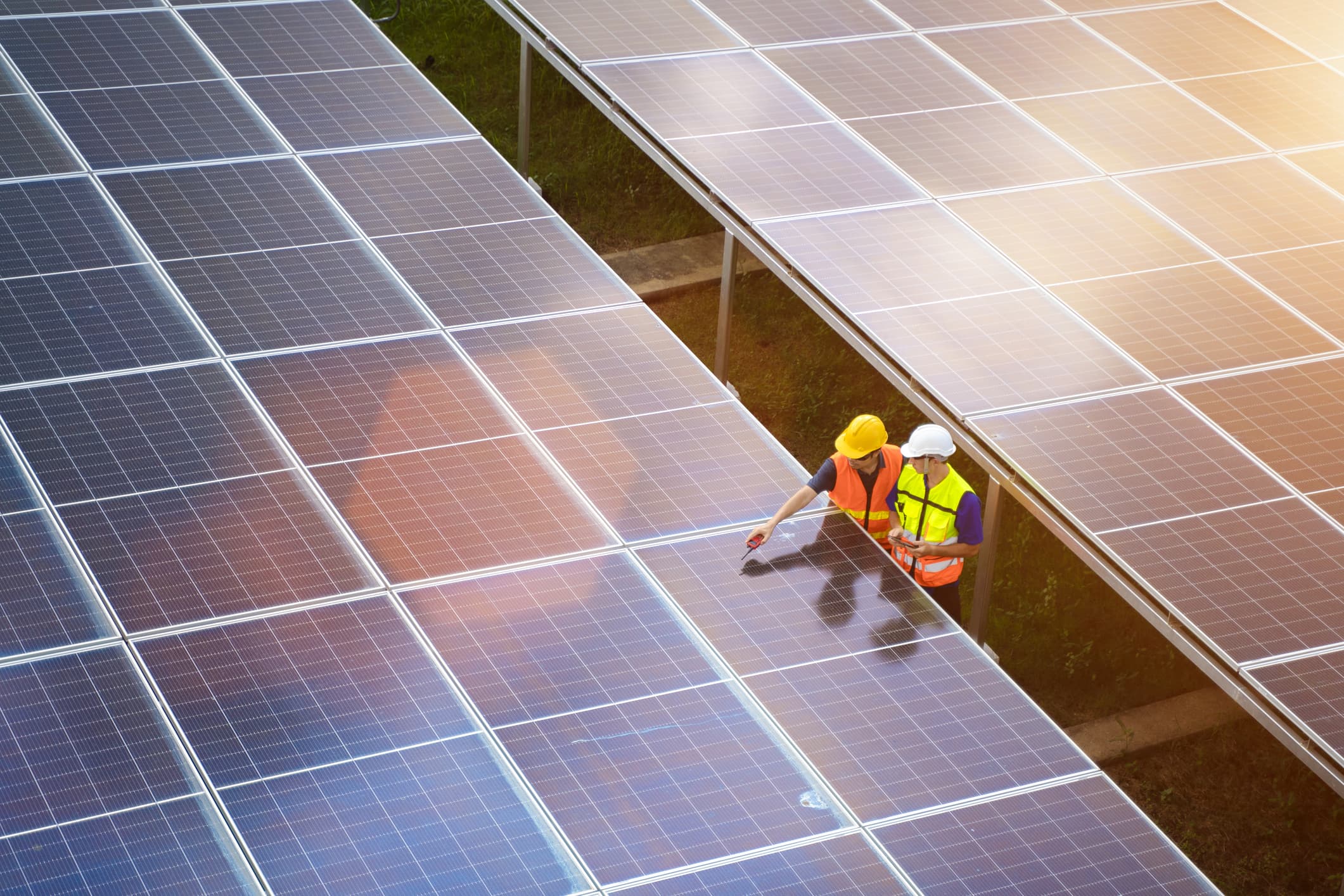
Maintenance thus plays a key role in activities that are no longer limited to interventions for malfunctions but also include remote monitoring, predictive diagnostics, and scheduled actions. This evolution helps shift some of the value within the supply chain from the installation phase alone to the management of the modules' entire life cycle. The sector thus requires professionals capable of integrating technical expertise, design skills, and energy infrastructure knowledge within a model that is increasingly focused on ensuring continuous performance.
Finally, these developments are accompanied by those relating to energy storage, which increased over the course of 2025. In fact, the amount of stored power increased by 1,743 MW, with a growing number of larger-scale facilities. The growth of solar photovoltaics in Italy has touched every part of the supply chain—from production to energy storage and grid management—thanks to the development of knowledge and technologies related to the industry's various stages.
Italian expertise reaching new markets with OpportunItaly
This scenario can translate into new development opportunities for all Italian small and medium-sized enterprises operating in the energy sustainability sector. In particular, technical specialization and the ability to provide services throughout the entire system life cycle are of great importance. The production record set in 2025 is not only an indicator of the growth of solar PV energy in Italy but also a sign of the evolution of a strategic sector.
The wealth of technical and operational knowledge represents a twofold advantage for Italy. On the one hand, it is a key asset for achieving the energy transition, while on the other, it enables Italian companies to strengthen their presence in international markets. Aiming to promote Italian supply chains and small and medium-sized enterprises—the ones that shape Made in Italy excellence every day—OpportunItaly offers dedicated Business Matching services to facilitate connections between foreign operators and Italian entrepreneurs. To find out how to forge new connections with the Italian manufacturing sector, join our program today.
Sources:
Terna
Il Sole 24 Ore
La Repubblica
PWC
In summary
In 2025, Italian solar photovoltaic power reached a new production record, generating 44.3 TWh of electricity and confirming the growing role of solar energy in the country's energy transition.
Installed solar PV capacity has reached 43.5 GW, with over two million systems connected across the country and growth in both the number of installations and total capacity.
Compared to the end of 2024, the sector recorded a 9% increase in the number of installations and an 11% increase in installed capacity, marking the transition to a more mature phase, in which quality, efficiency and operational continuity become key.
Supply chain development no longer involves just building new facilities; it also encompasses their long-term management through specialized expertise in design, maintenance, storage, and grid integration.
The growth of Italian expertise in the renewable energy sector presents an opportunity for SMEs in the industry, which can leverage their know-how and forge new connections in international markets through initiatives such as OpportunItaly.
FAQ