



Italian agrifoodtech accelerates thanks to startups, AI, and investments
Italy is strengthening its agrifood innovation ecosystem through solutions based on biotechnology, AI, and new funds
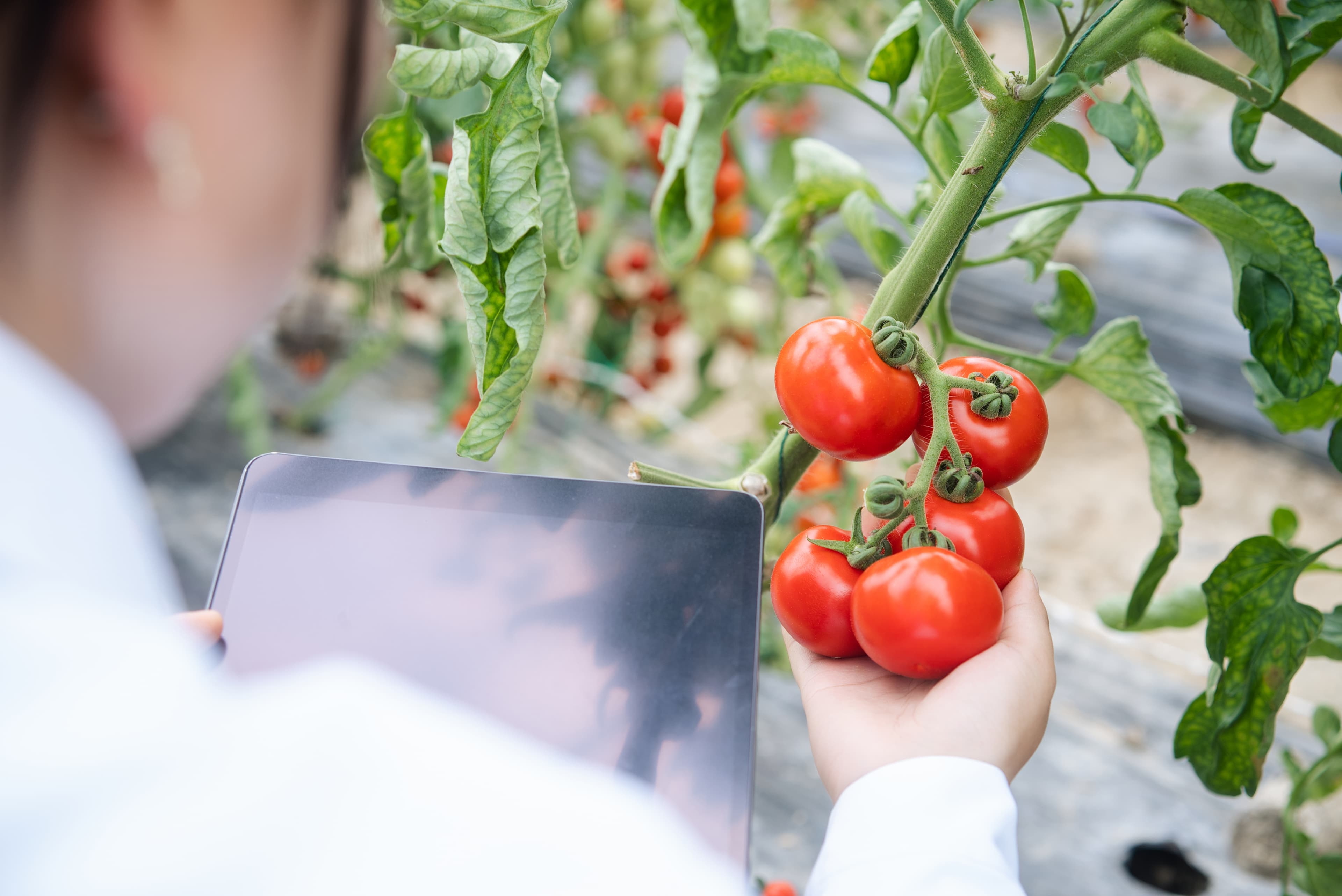
In 2025, Italian agrifoodtech raised €121.6 million, 18% more than the €103 million of the previous year, while in the same period investments decreased by 3.7% in Europe and by 12% globally. The Report on the State of AgriFoodTech in Italy 2025 prepared by Eatable Adventures for Verona Agrifood Innovation Hub highlights how the Made in Italy sector is growing compared to the rest of the continent thanks to startups, new funds, and the latest technologies.
It is not merely a percentage difference. Behind this countertrend lies an ecosystem that is becoming more structured, in which startups, companies, universities, and research centers transform digital technologies and scientific expertise into solutions for food production, processing, and distribution.
At the heart of this development is the convergence of two assets: on the one hand, expertise in raw materials, production experience, and the deep roots of Italian supply chains; on the other, artificial intelligence, automation, biotechnology, and data analysis. The synergistic work of these elements gives rise to the innovation that allows Made in Italy to grow.
Italy grows while Europe slows down
The value of investments tells only part of the story of the change. In 2025, 501 agrifoodtech startups were active in Italy, 23% more than the previous year, while the sector has a total of 4,410 jobs, with an employment growth of 47%.
These figures indicate the transition from experimentation to a more solid ecosystem: the increase in startups, in fact, shows the ability to identify needs that are still unmet throughout the supply chain. The growth in employment, on the other hand, indicates that many companies are strengthening their work teams and integrating specialized skills.
The size of financial transactions has also changed. In 2024, 60% of investments did not exceed €350,000; a year later, this share dropped to 42%, while rounds exceeding €1 million increased from 12.4% to 39.4%.
Capital therefore not only supports the emergence of new initiatives, but is more frequently directed toward projects capable of growing, strengthening their structures, and bringing already validated technologies to the market. For Italian agrifood startups, this transition bridges the gap between experimentation and an industrial perspective.
From artificial intelligence to biotechnology
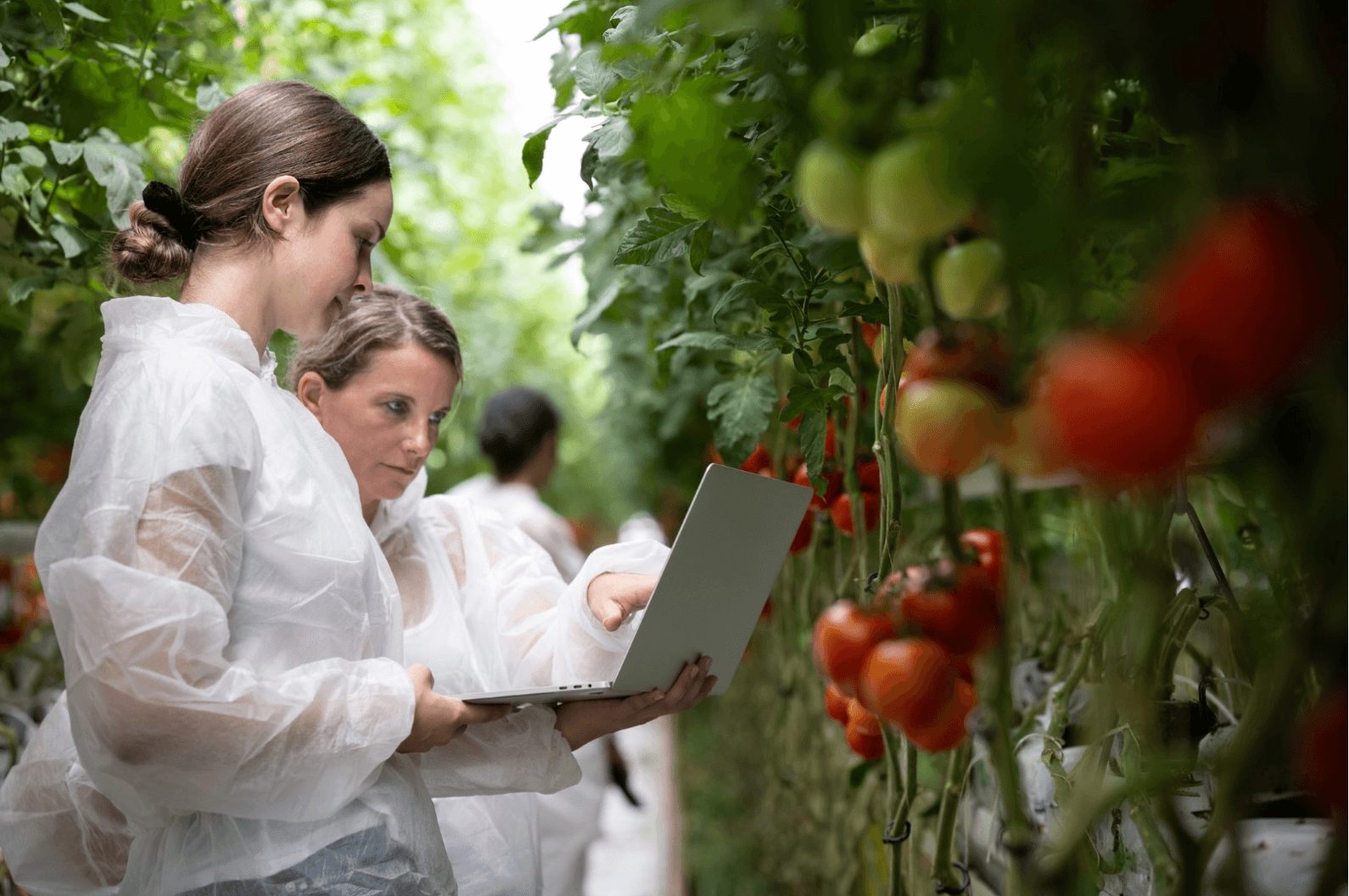
The real strength of the Made in Italy agrifoodtech supply chain lies not only in quality and know-how, but above all in the technological maturity of each company. In fact, 43.8% of startups use artificial intelligence, 30.5% use biotechnology, and 29.7% use machine learning. A further 74.3% of companies fall within TRL levels 7–9, which indicate advanced technologies that have been validated or are close to industrial adoption.
Therefore, Italian agrifoodtech does not thrive solely on theoretical research or experiments far removed from the market. In many cases, agrifood innovation does not even arise from the simple adoption of already available tools. Over 62% of startups develop their own technologies internally, 42.2% have filed at least one patent, 22.4% of solutions derive from technology transfer processes, and 17.6% of technologies have been developed with universities.
Behind these percentages, a closer link between research and business emerges, because developing a technology internally means building one's own skills, while protecting it with a patent allows it to be transformed into an industrial asset.
An ecosystem distributed among regions and expertise
The technological solutions enabling Italian agrifoodtech to grow in line with European and global trends are rooted in a Made in Italy approach: bringing together production expertise, research, and entrepreneurial networks. It is precisely the latter that make it possible to outline a map of manufacturing districts, universities, and innovation infrastructures.
Lombardy hosts 28.1% of the projects, followed by Piedmont with 11.7% and Emilia-Romagna with 10.9%, while Veneto and Trentino-Alto Adige both represent 7.8% of the ecosystem. The regions are not only the places where startups are born: they are also the environments in which solutions can be tested and compared with real needs.
Alongside the regional component, a skilled workforce also emerges. The average age of the founders is 38.7 years; over 90% have a university degree and 35.2% have a doctorate. More than half have already founded other businesses, while 73% have specific expertise in the agrifood sector.
From the field to distribution, a supply chain in need of innovation
Scientific and technological training are therefore complemented by entrepreneurial experience and direct knowledge of the sector. Innovating does not just mean applying a technology to agriculture or the food industry, but understanding where it can really improve existing processes. The integration of new solutions takes place across approximately 95% of the entire agrifood value chain, demonstrating that agrifoodtech is not limited to a single technology.
Although they address different needs, each segment follows a common direction: making processes more measurable and adaptable. In the agricultural field, this can mean supporting operators with digital tools; in processing, improving the organization of work; in logistics and retail, better managing information and flows. Precision agriculture represents the manifestation of this process, where automation, robotics, and digital solutions contribute to making agricultural activities more efficient. The expertise of the operators and key players in Made in Italy quality is complemented by tools to make the industry more responsive and sustainable.
Technology thus gains value when it meets the knowledge developed within companies and industrial supply chains identified through the District Map, because innovation does not erase experience but helps it respond to evolving production needs.
Innovation and quality for international markets
It is precisely the productivity of the Italian agri-food sector that has demonstrated its strength and importance in the global market. In fact, the growth of agri-food tech is part of a system that in 2025 reached nearly €73 billion in exports. Technology and production quality reinforce each other, helping companies and startups to innovate without losing their connection to regions and expertise. Italian supply chains offer a real space to experiment with solutions, improve processes, and increase adaptability.
OpportunItaly promotes growth in foreign markets for Italian companies that are leaders in innovation and agrifoodtech. Through its services, the program creates opportunities for companies, investors, buyers, and international operators to meet. Join the program to discover all the services.
Sources:
ISTAT
Eatable Adventures
In summary
In 2025,Italian agrifoodtech raised €121.6 million, 18% more than in 2024, in contrast to the decline recorded in Europe and globally.
In Italy, 501 agrifoodtech startupsare active, 23% more than the previous year, while the sector has a total of 4,410 jobs.
The ecosystem integrates agri-food expertise and advanced technologies: 43.8% of startups use artificial intelligence, 30.5% use biotechnology, and 29.7% use machine learning.
74.3% of companies fall within TRL levels 7–9, indicating solutions that have already been validated or are close to industrial adoption.
Patents, technology transfer, collaborations with universities, and larger funding rounds strengthen the ability of Italian startups to grow and expand into international markets.
FAQ