


Bruno Munari, between design and art: one of the icons of 20th-century Italian culture was born 119 years ago
On October 24, 1907, the artist who would define an era was born in Milan. Through his study of form and space, he created works that combined creativity and quality
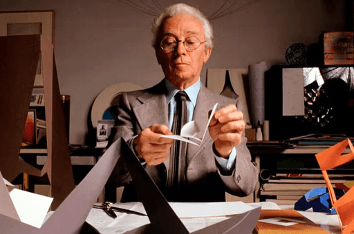
Forms suspended in the air, elongated or rounded, first concave and then convex: a work of art that is impossible to fit into a single category. On October 24, 1907, one of the most important Italian artists of the 20th century, Bruno Munari, was born in Milan. His ideas gave rise to some of the last century's most striking and iconic works, as well as games and design objects that combined creativity, method, and experimentation.
His ability to initially embrace an artistic movement, then move beyond it to view the world from a different perspective, enabled him to become an internationally recognized figure. His work represents one of the most recognizable expressions of Italian culture: the ability to transform an idea into a project and a project into an experience.
A creative language that combines art, technique, and experimentation
Munari's approach throughout his career fully reflects one of the hallmarks of Made in Italy: the ability to transcend disciplinary boundaries. His work spanned various fields, including art, graphic design, and design, allowing him to explore form and space in greater depth.
From the outset, his art was characterized by a desire to explore new expressive possibilities, leading him to break away from existing artistic movements and develop a unique style.It was precisely this way of understanding art that gave rise to some of his most iconic works, such as Macchina aerea (Flying Machine), Macchine inutili (Useless Machines), and Concavo-convesso (Concave-Convex). These are lightweight, mobile structures that occupy space and, through a play of balance and light, present themselves differently to the viewer each time.
From his Milanese training to the development of a design methodology
Munari spent much of his childhood in Polesine, an area that is now home to the industrial district of the Giostre. In the mid-1920s, he returned to Milan and became involved in the city's artistic circles, making contact with Futurism. According to Treccani, it was in the Lombard capital that Bruno broadened his professional horizons, beginning to work as an artist, graphic designer, and designer. These experiences and the knowledge he accumulated enabled him to develop a multidisciplinary background, demonstrating how Italian expertise emerges from the intersection of different disciplines.
In 1948, he helped found the Concrete Art Movement, dedicating himself to researching new abstract visual languages and the relationship between art and design.During this period, Munari created works such as Negativo-positivo (Negative-Positive) and Libri illeggibili (Illegible Books), a series of works that broke away from traditional artistic conventions by incorporating objects from other fields.
Finally, his focus shifted to children's learning, visual communication, and creative education. It was during this period of experimentation with different images and materials that Munari created several objects for young children, including Gatto Meo (Meo the Cat), made of foam rubber and designed to be handled, encouraging more interactive and educational play.
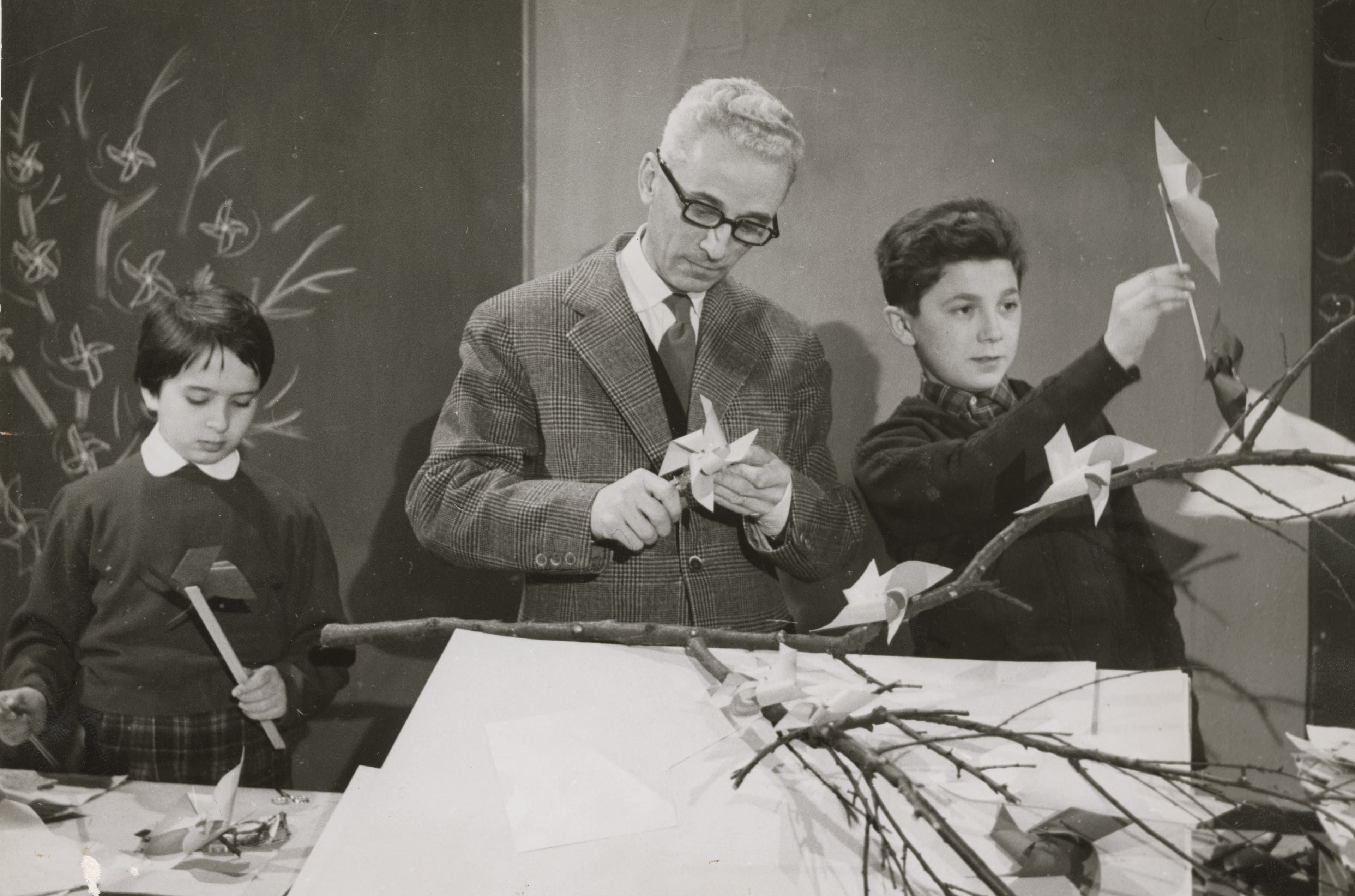
https://www.fondazionepirelli.org/en/activities/bruno-munari-a-master-of-design-on-display-in-verona-a-great-name-for-pirelli/
The works of Bruno Munari that have shaped Italian design
The interdisciplinary nature of his work represents a way of understanding Made in Italy in which knowledge from different fields comes together to drive innovation. The difficulty of assigning a label to Munari's work did not prevent him from winning several Compasso d'Oro awards for industrial design. His creations helped Italian design gain worldwide recognition.
One example is the Falkland lamp, created in 1964 using tubular fabric into which metal rings of different sizes are inserted. It arose from his study of the use of different materials and the pursuit of functionality and balance. Similarly, the Scimmietta Zizi (Zizi Monkey), created in 1952 for Pigomma, reflects Munari's view of play as a learning tool.
Alongside industrial objects are his books, which reflect his interest in the relationship between people and the objects around them. One example is Abitacolo (Living Space), designed in 1971 and awarded the Compasso d'Oro in 1979, which plays with form and space.
The legacy of a way of thinking that continues to influence design
Bruno Munari's legacy lies not only in the works he created throughout his career but also in the approach he passed on to professionals working in design, art, and other industrial sectors. On the one hand, there is his design approach, which helped spread an idea of matter in which people, objects, and the environment exist in harmony. On the other, there is the research that enabled him to transcend labels and categories, moving across different disciplines to create unique objects made up of multiple elements.
Italian design can be proud of a philosophy that places product quality at its center, combining shared knowledge of materials, attention to detail, and the ability to meet a range of needs. This vision continues to resonate with present-day needs, in which environmental protection has taken on great importance. To address the challenges of climate change, Italian design has embraced sustainability by bringing together tradition, innovation, and craftsmanship across multiple sectors of the Made in Italy industry.
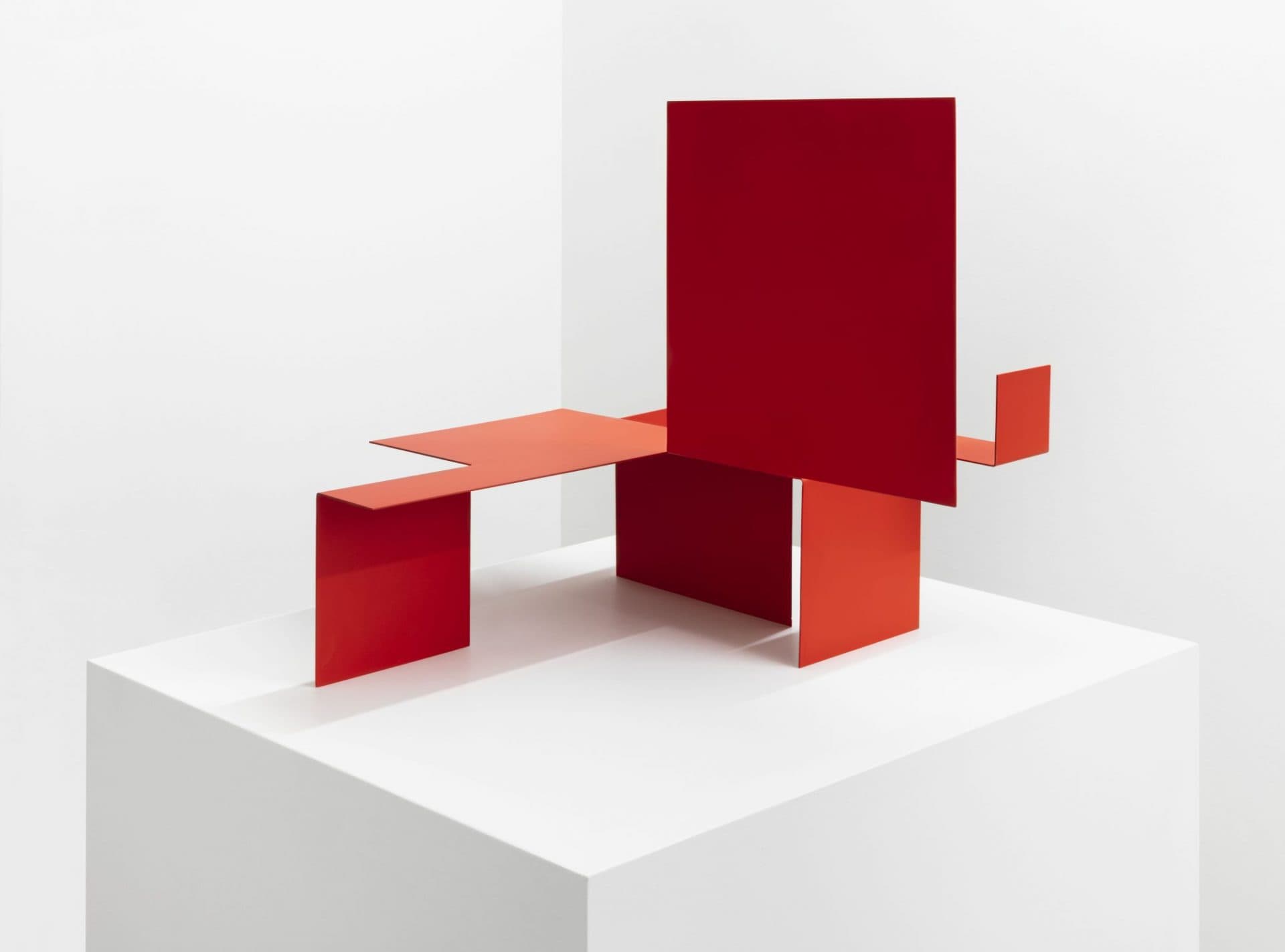
https://www.munart.org/index.php?p=19
The world looks to Italian design
Bruno Munari's story exemplifies how Italian creativity can become a cultural heritage and a source of worldwide recognition. His approach demonstrates the power of research that brings together different fields to transform ideas into practical solutions, a method that characterizes many Made in Italy businesses.
Italy is home to many design companies that contribute every day to the internationally recognized excellence of Italian design. From the upholstered furniture district of Puglia and Basilicata to furniture manufacturers in northern Italy, the District Map also shows that businesses across the country are looking abroad for new growth opportunities. OpportunItaly supports these companies and foreign buyers through its Business Matching services. Discover the Italian design companies best suited to your business and join the program.
Sources
Domus
MunArt
Treccani
In summary
Born in Milan on October 24, 1907, Bruno Munari was an Italian artist, designer, graphic designer, and inventor. Throughout his career, he explored the relationship between art, technology and everyday life, becoming a leading figure in 20th-century Italian creative circles.
After his early experiences in Futurism and his involvement in founding the Concrete Art Movement (MAC) in 1948, Munari developed a design method based on experimentation, visual research and the observation of materials.
Among his best-known works are the Falkland lamp (1964), the Scimmietta Zizi (Zizi Monkey, 1952), the Macchine inutili (Useless Machines), and Abitacolo (Living Space, 1971), projects that helped shape an innovative approach to Italian design.
Throughout his career, he also worked in visual communication and creative education, producing numerous books and workshops for children that introduced a new way of engaging with art and design.
His research has left a lasting legacy in the world of design and design culture, demonstrating how creativity, method, and a spirit of experimentation are defining characteristics of Made in Italy.
FAQ