



The largest autophage rocket engine ever built ignites a new era for space propulsion
An Italian–French startup’s project marks a decisive step toward lighter, more efficient, and more sustainable rockets
A new milestone in space propulsion
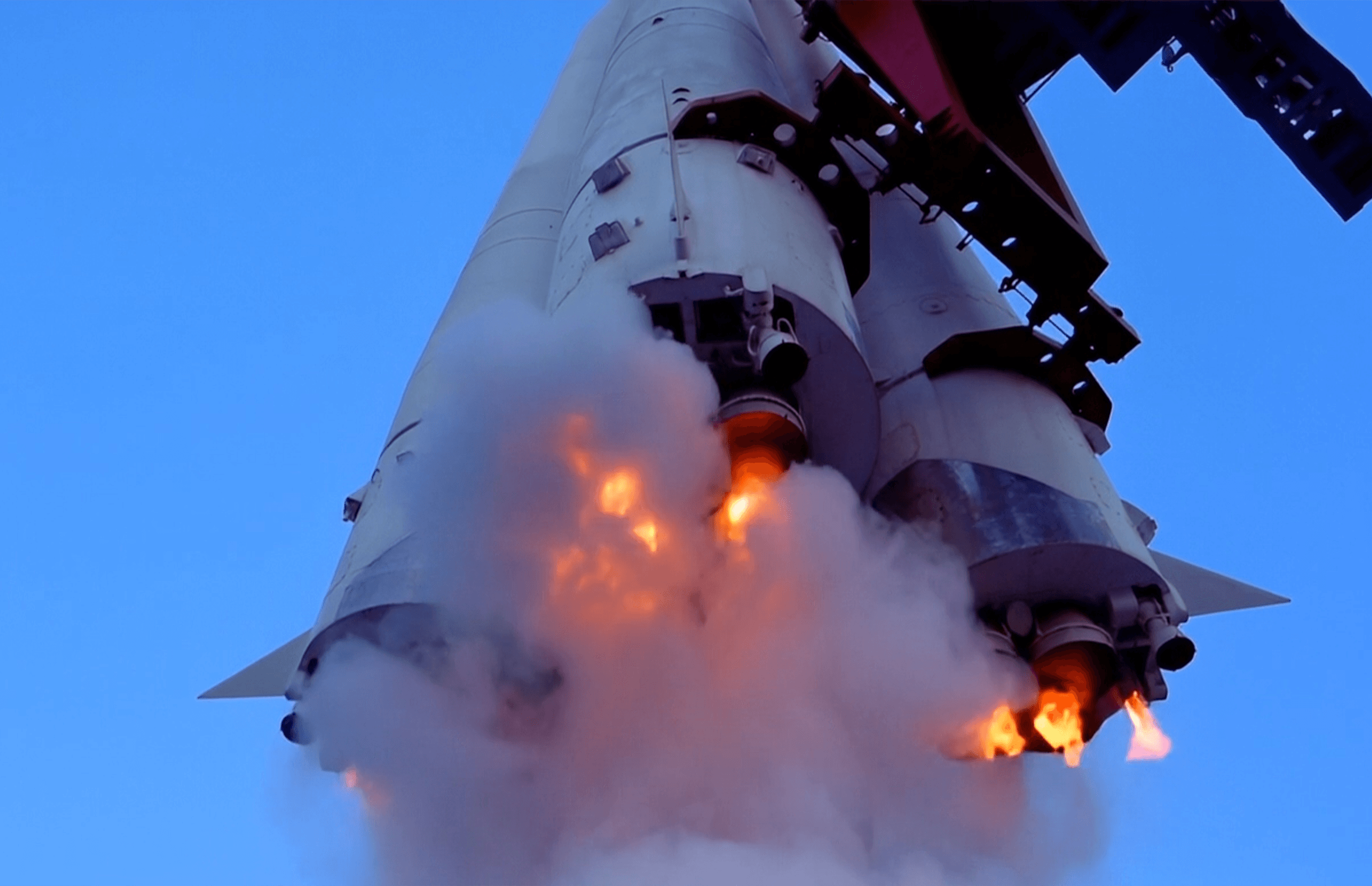
At Agen Airport in southern France, the world’s largest autophage rocket engine was successfully tested.
During the trial—17 seconds of stable combustion—the engine achieved all key engineering objectives: clean ignition, controlled combustion, and integration of the fuselage as part of the fuel.
Despite slight wear to thermal protections, the system demonstrated high resistance to stress, integrity of dynamic components, and full efficiency in oxidizer-filling procedures, confirming the soundness of the project and the validity of its technical solutions.
This is an historic moment for aerospace research, paving the way for a new generation of propulsion systems capable of reducing cost, mass, and environmental impact.
The project is led by an Italian–French startup specializing in innovative propulsion systems.
The innovation that “consumes itself”
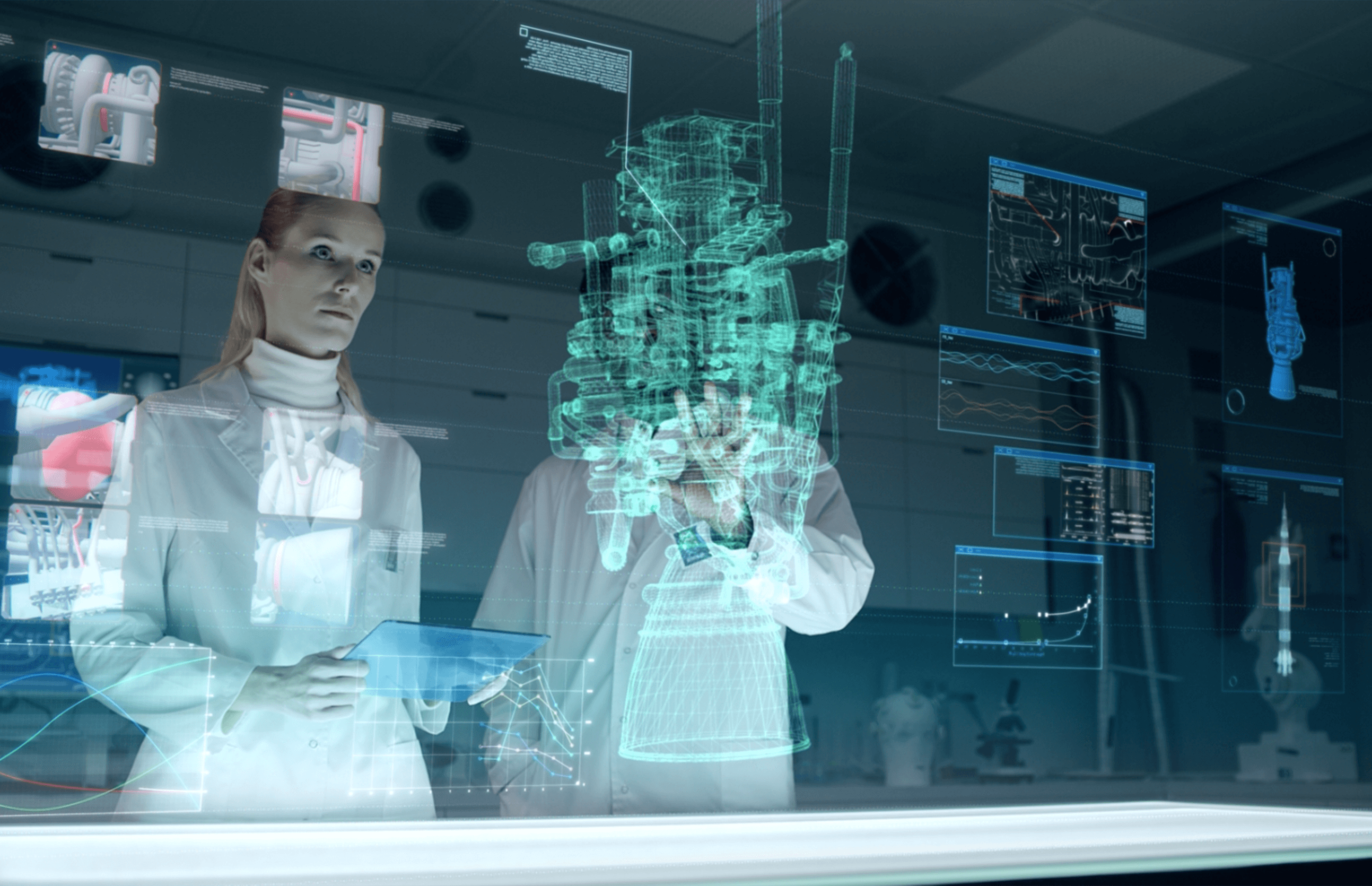
The principle behind autophage propulsion is as simple as it is revolutionary: the rocket progressively burns part of its own structure—specifically, the tube that contains the solid propellant. In other words, the rocket’s body becomes part of the fuel.
This mechanism eliminates the need for separate tanks, drastically reducing mass and increasing launch efficiency.
As the internal propellant is consumed, the container material is also vaporized and fed into the combustion chamber, providing additional thrust.
The advantage is twofold: less weight and fewer orbital leftovers, since the rocket does not leave debris in space. This technology can reduce overall mass by up to 40% compared to conventional rockets, improving the payload-to-mass ratio.
It opens the door to smaller, more flexible, and more affordable satellites, including for startups and research centers—making autophage propulsion one of the most promising solutions for the future of space transport.
A more sustainable future for the space economy
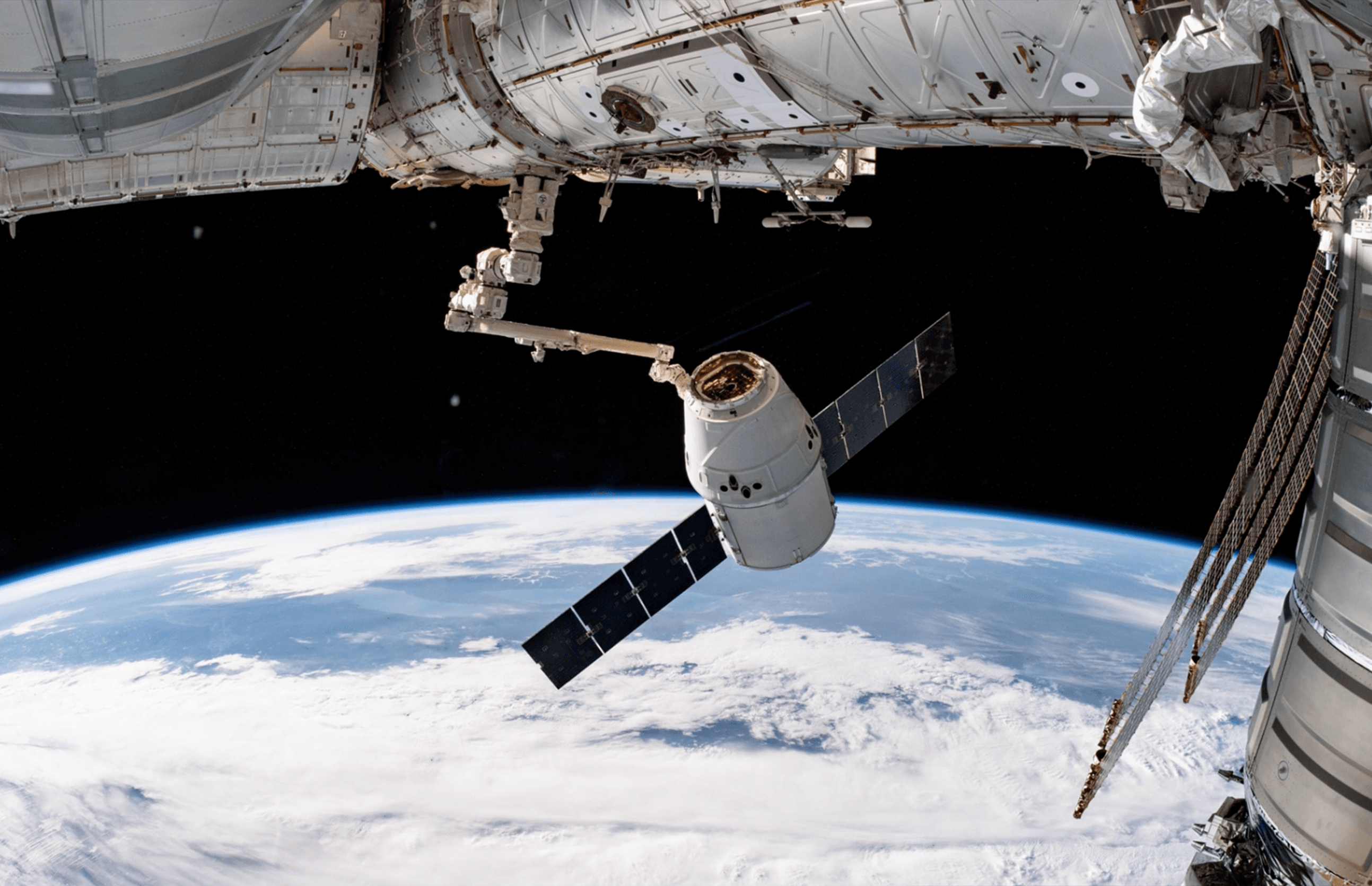
Autophage propulsion combines efficiency, sustainability, and technological autonomy. By reducing mass, costs, and space debris, this innovation can make access to space cleaner, cheaper, and more inclusive, supporting low-impact scientific, commercial, and Earth-observation missions.
In an international context increasingly oriented toward sustainability, rocket autophagy sketches out more responsible pathways that reconcile technological progress with environmental stewardship.
Opportunities and outlook for Italy
Italy can derive significant industrial and scientific benefits from technologies like autophage propulsion. The country boasts a solid space ecosystem—universities, SMEs, and research centers active in advanced materials, control systems, and launch components.
Adopting lighter, more sustainable solutions can strengthen the competitiveness of Italian supply chains, spurring public-private partnerships and the growth of startups focused on space innovation.
Italy’s true added value lies in its ability to translate research into real-world applications, thanks to excellence in precision mechanics, robotics, and composite materials.
For companies looking to seize new opportunities in aerospace and expand their international network, OpportunItaly provides tools and services dedicated to internationalization. Join the programme.
Sources:
Il Sole 24 ore
Spaceconomy360