



Italia, la cuna del turismo cultural: sus 61 lugares Patrimonio de la Humanidad de la UNESCO establecen un récord mundial.
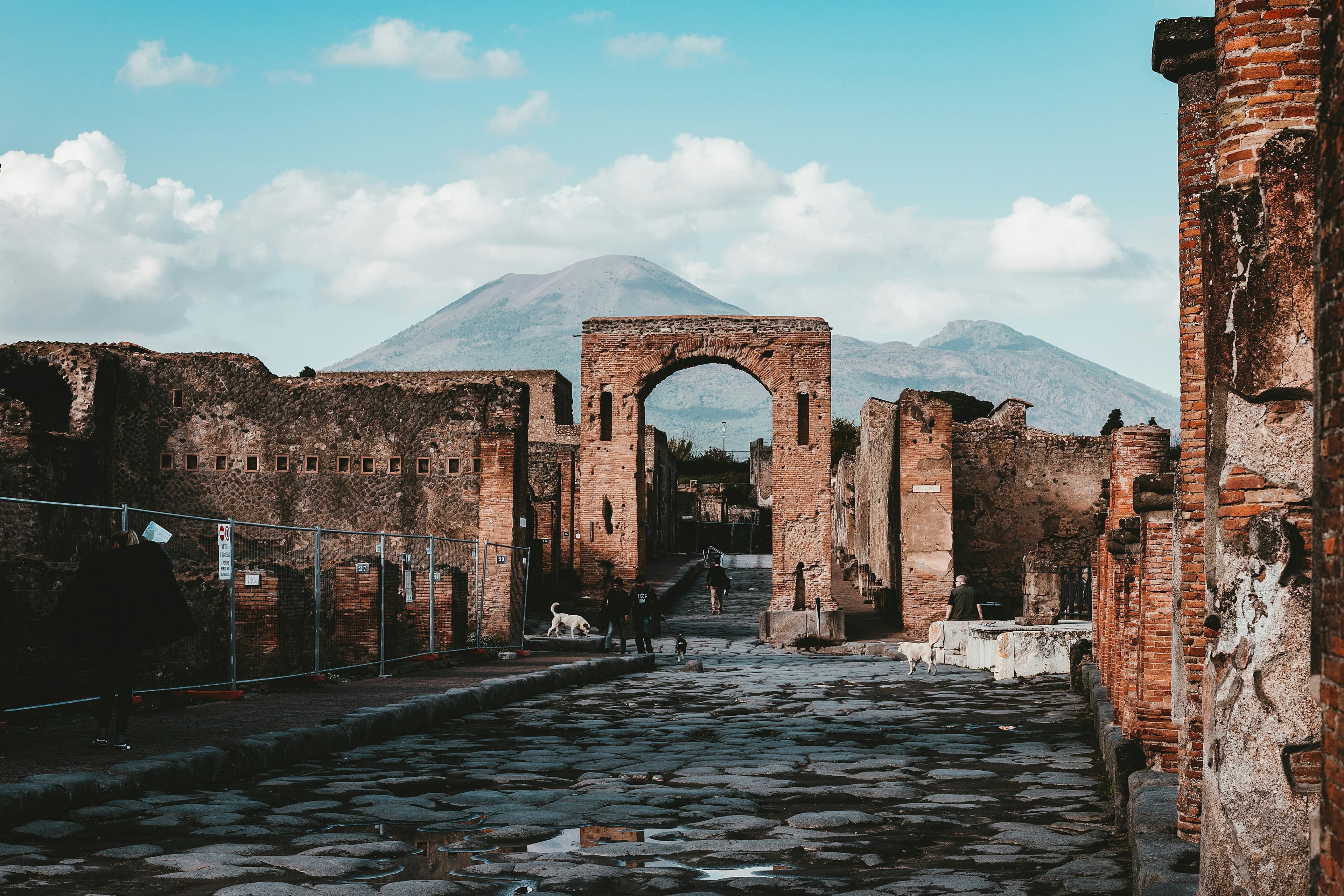
La Península confirma su posición como el país con más reconocimientos del mundo, siendo Pompeya el lugar más visitado a escala nacional, seguido del Coliseo.
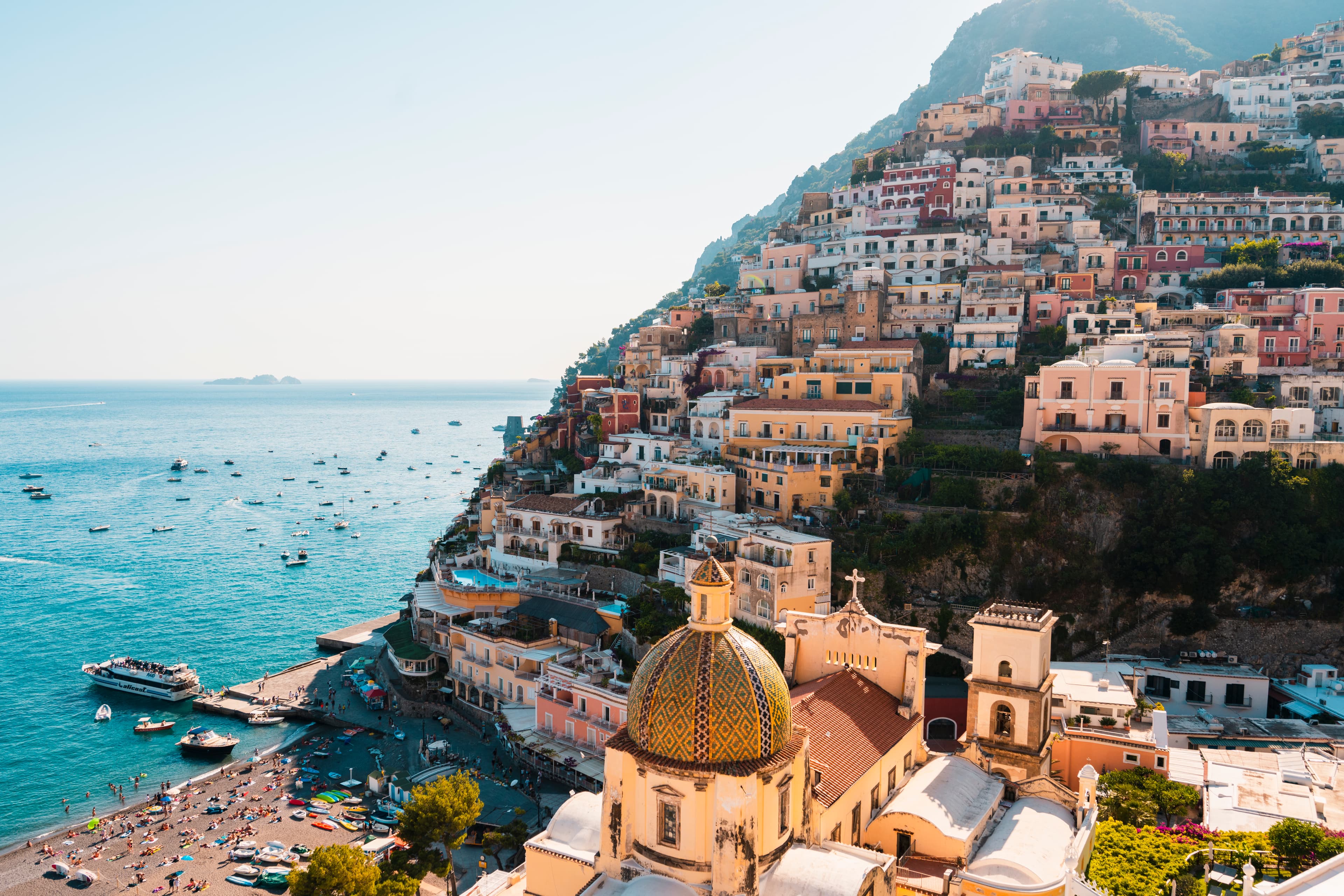
Italia es el país con el mayor número de lugares Patrimonio de la Humanidad de la UNESCO del mundo. Este récord refleja no solo la profundidad histórica y artística del país, sino también su capacidad para transformar su patrimonio cultural en valor para los territorios, las empresas y las cadenas de suministro.
El turismo cultural en Italia se basa en este equilibrio: por un lado, lugares, tradiciones y paisajes que pertenecen a la memoria colectiva; por otro, nuevas experiencias, servicios y oportunidades para el mercado internacional. Desde los centros históricos hasta las zonas arqueológicas, los pueblos y los nuevos reconocimientos, el patrimonio de Italia se convierte en una puerta de entrada al «Made in Italy».
El liderazgo de Italia en la UNESCO: el mayor patrimonio cultural del mundo
Según datos del Ministerio de Cultura italiano, en 2025 la inscripción de las «Tradiciones funerarias en la Cerdeña prehistórica: las Domus de Janas» elevó a 61 el número de sitios de Italia reconocidos en la Lista del Patrimonio Mundial de la UNESCO. Esta cifra confirma el liderazgo mundial de Italia y refuerza el papel del país como referente del turismo cultural internacional.
El patrimonio de la UNESCO en Italia no se limita a las grandes ciudades del arte. Se extiende por todo el país de manera generalizada: zonas arqueológicas, paisajes culturales, pueblos, lugares religiosos, centros históricos y territorios productivos. Precisamente esta variedad hace que los sitios italianos de la UNESCO sean un activo estratégico, incluso desde una perspectiva económica.
En este sentido, la conexión con el tejido industrial resulta natural. La cultura no es solo lo que la gente observa, sino también lo que encuentra a lo largo del viaje: conocimientos, materiales, gestos de producción, gastronomía, diseño, hospitalidad e identidades locales.
El gasto cultural en Italia en 2025: crecimiento y nuevas tendencias
Según datos de Confcommercio, en 2025 el gasto mensual medio de los italianos en consumo cultural aumentó a 94 €, frente a los 90 € de 2024. Esta cifra refleja el creciente interés por las funciones, el cine, las exposiciones, los eventos y las diferentes formas de participación cultural.
Esta tendencia también es importante para el turismo, ya que demuestra que la cultura no depende únicamente de la afluencia internacional. La demanda nacional sigue respaldando al sector cultural, con lo que se crea una base sólida para desarrollar servicios y proyectos vinculados a una experiencia más rica y profunda.
La relación entre el patrimonio cultural y el turismo está cambiando. La visita a un museo o a un yacimiento arqueológico ya no es una experiencia aislada, sino que forma parte de una narrativa más amplia en la que la participación cultural se vuelve interactiva y personalizada.
Los espacios culturales más visitados: el Coliseo, Pompeya y más
Estas iniciativas encuentran un terreno fértil en el patrimonio cultural de Italia, gracias también a la afluencia de los visitantes. Destinos como Roma, Florencia y Pompeya son capaces de atraer a un gran número de turistas de todo el mundo, en parte debido al estatus de referencia que han adquirido con el tiempo.
Estos lugares, reconocidos como Patrimonio de la Humanidad por la UNESCO, no son solo destinos simbólicos: son puntos de entrada a un sistema más amplio capaz de activar la hostelería, el transporte, los guías turísticos, los restaurantes, los contenidos editoriales, los servicios digitales y los productos territoriales.
El reto es transformar la fama de los principales lugares en itinerarios más atractivos, capaces de conectar destinos consolidados, territorios emergentes y producción local. De esta manera, el turismo cultural puede abrirse a nuevas paradas y generar valor incluso más allá de los circuitos más consolidados.
El nuevo lugar de la UNESCO en Cerdeña
El último lugar de la UNESCO en incorporarse a la lista de Italia en 2025 fueron las «Tradiciones funerarias en la Cerdeña prehistórica: las Domus de Janas», tumbas excavadas en la roca que dan testimonio de las prácticas funerarias, las creencias religiosas y la evolución social de las comunidades neolíticas de Cerdeña.
Las Domus de Janas añaden una nueva profundidad a la historia de Cerdeña, lo que abre espacio para itinerarios menos vinculados únicamente a la estacionalidad costera.
Este reconocimiento puede fomentar visitas guiadas, rutas por zonas del interior, contenidos digitales, actividades educativas y propuestas dedicadas a públicos interesados en la historia de los territorios. De esta forma, el nuevo lugar de la UNESCO se convierte en una oportunidad para presentar la isla como un destino más completo, donde la naturaleza, la cultura y las cadenas de suministro locales interactúan entre sí.
Turismo cultural de verano en Italia: oportunidades para los compradores internacionales
Al igual que en Cerdeña, el turismo en el resto de Italia no se limita al mar y a las ciudades del arte. La fortaleza del país radica en su capacidad para combinar patrimonio, paisajes, pueblos, eventos, gastronomía y vino, y producción local. Es esta combinación la que hace que la oferta de Italia resulte atractiva para los compradores internacionales.
Un itinerario puede combinar un lugar de la UNESCO, una visita arqueológica, una experiencia gastronómica, un taller artesanal, un evento cultural y una parada en un territorio productivo. De esta manera, el patrimonio no queda en un segundo plano, sino que se convierte en el corazón de una experiencia más amplia.
Para las pymes italianas, esto significa poder crear servicios de alto valor añadido: guías multilingües, narración territorial, experiencias inmersivas, hostelería especializada, movilidad sostenible, contenidos editoriales y productos locales.
El turismo cultural también está conectado con los sectores estratégicos de Italia, ya que implica la hostelería, la creatividad, la restauración, la artesanía, la tecnología y los servicios. Precisamente esta capacidad de conectar diferentes sectores hace que Italia sea un mercado interesante para los operadores e inversores internacionales.
La economía cultural y la inversión: por qué Italia lidera el mercado mundial
Según datos de Cliclavoro, en 2025 la cadena de suministro cultural y creativa de Italia generó alrededor de 115 000 millones de euros en valor e involucró a más de 1,55 millones de trabajadores.
Estas cifras ayudan a presentar la cultura no solo como un elemento de identidad, sino como un sector económico estructurado. Para quienes evalúan las inversiones turísticas, Italia ofrece un contexto en el que el patrimonio, las empresas creativas, los servicios digitales, la hostelería y la producción local pueden converger en proyectos integrados.
El programa Cultura Cresce 2026 también pone 151,7 millones de euros a disposición de microempresas, pequeñas y medianas empresas, empresas emergentes y empresas sociales del sur de Italia activas en ámbitos como la música, el sector audiovisual, el teatro, las artes visuales, el patrimonio cultural, el diseño, la moda, la artesanía artística y la industria editorial.
Por lo tanto, Italia demuestra una doble capacidad: preservar su patrimonio y transformarlo en una plataforma para nuevas colaboraciones. El turismo cultural se convierte en un espacio donde los sectores público y privado pueden encontrarse, generando servicios, contenidos, experiencias y oportunidades para las empresas.
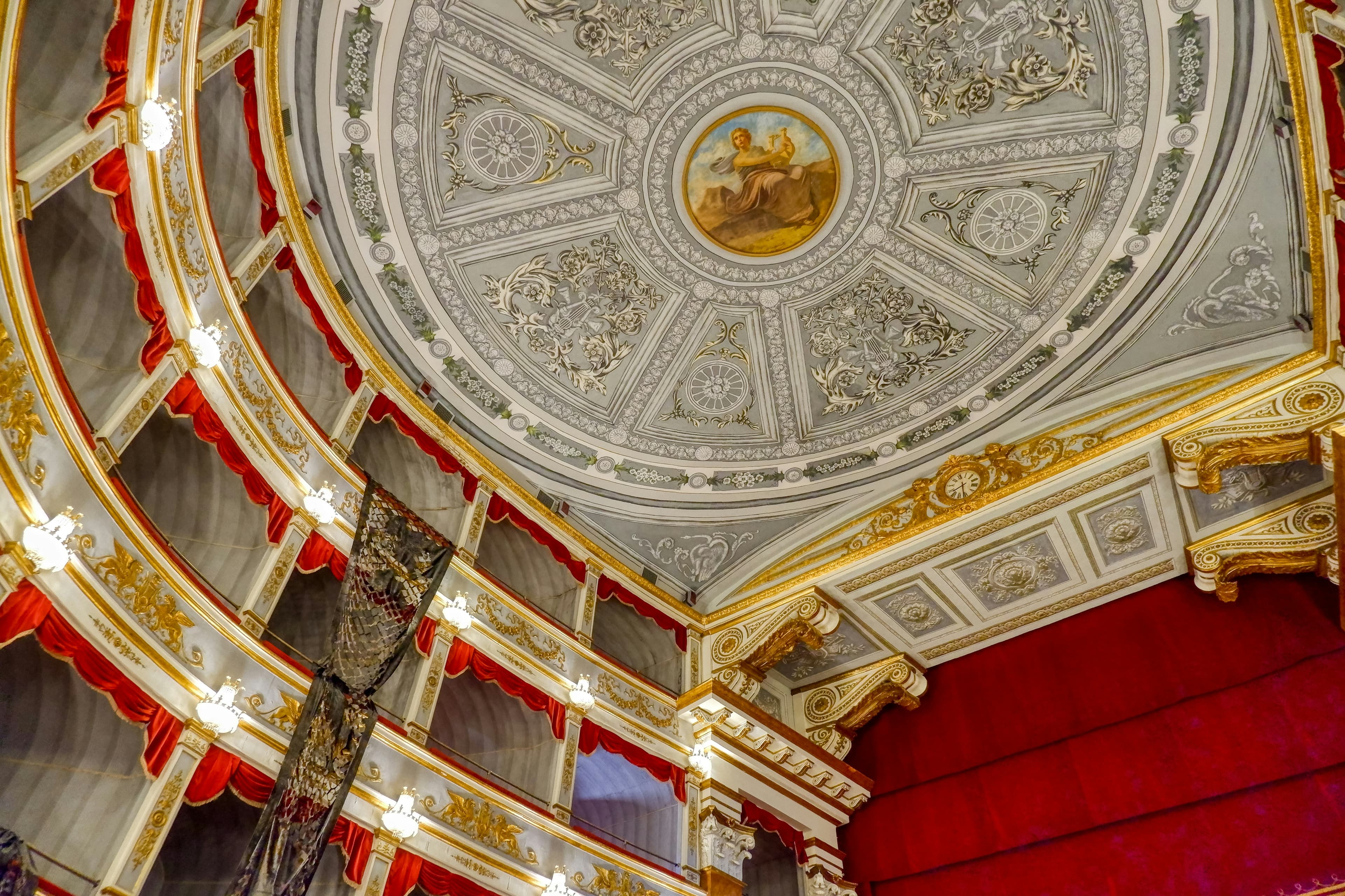
Del patrimonio cultural a las oportunidades de negocio internacionales
La cultura y la tradición desempeñan un papel central en el tejido industrial italiano. No solo forman parte de la identidad del país, sino que también son una fuerza impulsora que sigue dando forma a los productos, los servicios, las experiencias y las cadenas de suministro. Los numerosos lugares declarados Patrimonio de la Humanidad por la UNESCO en todo el país realzan esta riqueza generalizada y cuentan la historia de una Italia hecha de conocimiento, lugares, comunidades y experiencia capaz de generar valor también para el mercado internacional.
En este contexto, OpportunItaly conecta a los protagonistas del «Made in Italy» con cualquier persona que busque integrar este conocimiento en su trabajo: compradores, operadores culturales, empresas, inversores y profesionales interesados en crear nuevas oportunidades a partir de la excelencia italiana.
Únase al programa y descubra cómo colaborar con las empresas que hacen del «Made in Italy» un referente mundial.
Fuentes:
Confcommercio
Ministero Cultura
Cliclavoro
Unesco
En resumen
Italia es el país con el mayor número de lugares Patrimonio de la Humanidad de la UNESCO del mundo: en 2025, alcanzó los 61.
Cerdeña obtuvo su primer lugar de la UNESCO en 2025 con las Domus de Janas.
Según Confcommercio, en 2025 el gasto mensual medio en consumo cultural aumentó a 94 €, frente a los 90 € de 2024.
El turismo cultural fortalece el «Made in Italy» porque conecta el patrimonio, los territorios, la artesanía, la alimentación, el diseño y la hospitalidad.
Según datos de Cliclavoro, en 2025 la cadena de suministro cultural y creativa de Italia tuvo un valor de alrededor de 115 000 millones de euros e involucró a más de 1,55 millones de trabajadores.
Preguntas frecuentes