



Italian rice: the risotto story born from research, innovation, and tradition
From the richness of its varieties to the culture of risotto, Italian rice represents a heritage of research, quality, and culinary tradition recognized around the world.

Italy is one of the countries with a culinary culture like no other, recognized as UNESCO heritage thanks to dishes that have become iconic around the world. The legends of Made in Italy cuisine are born not only from the expertise of professionals, but also from raw ingredients with unique characteristics.
This is the case with Italian rice, a small grain that has a range of unique characteristics that make it suitable for a variety of dishes. From salads to desserts or fried foods, to risotto, a dish envied and copied worldwide that represents research, innovation, and quality.
Italian rice varieties: a purpose for every grain
The type suitable for risotto is not the only one that exists, contrary to what many may think. In fact, the true strength of Italian rice lies in its numerous varieties, created and discovered for a specific purpose. There are numerous native species, all with different characteristics, but through Italian Legislative Decree 131 of August 4, 2017, four macro-categorization groups were established.
The first of these concerns Riso tondo, characterized by a shorter and wider grain than the others. Thanks to its organoleptic properties, it is suitable for broth-based soups, timbales, and desserts. This is followed by medium rice, which can reach 6 millimeters and is suitable for soups in broth and dry soups, rice balls, timbales, and side dishes. Type B long-grain rice is the longest and thinnest of all and is suitable for appetizers, salads, timbales, and main dishes. The last group is Type A long-grain rice, which is a true icon in the Italian culinary tradition.
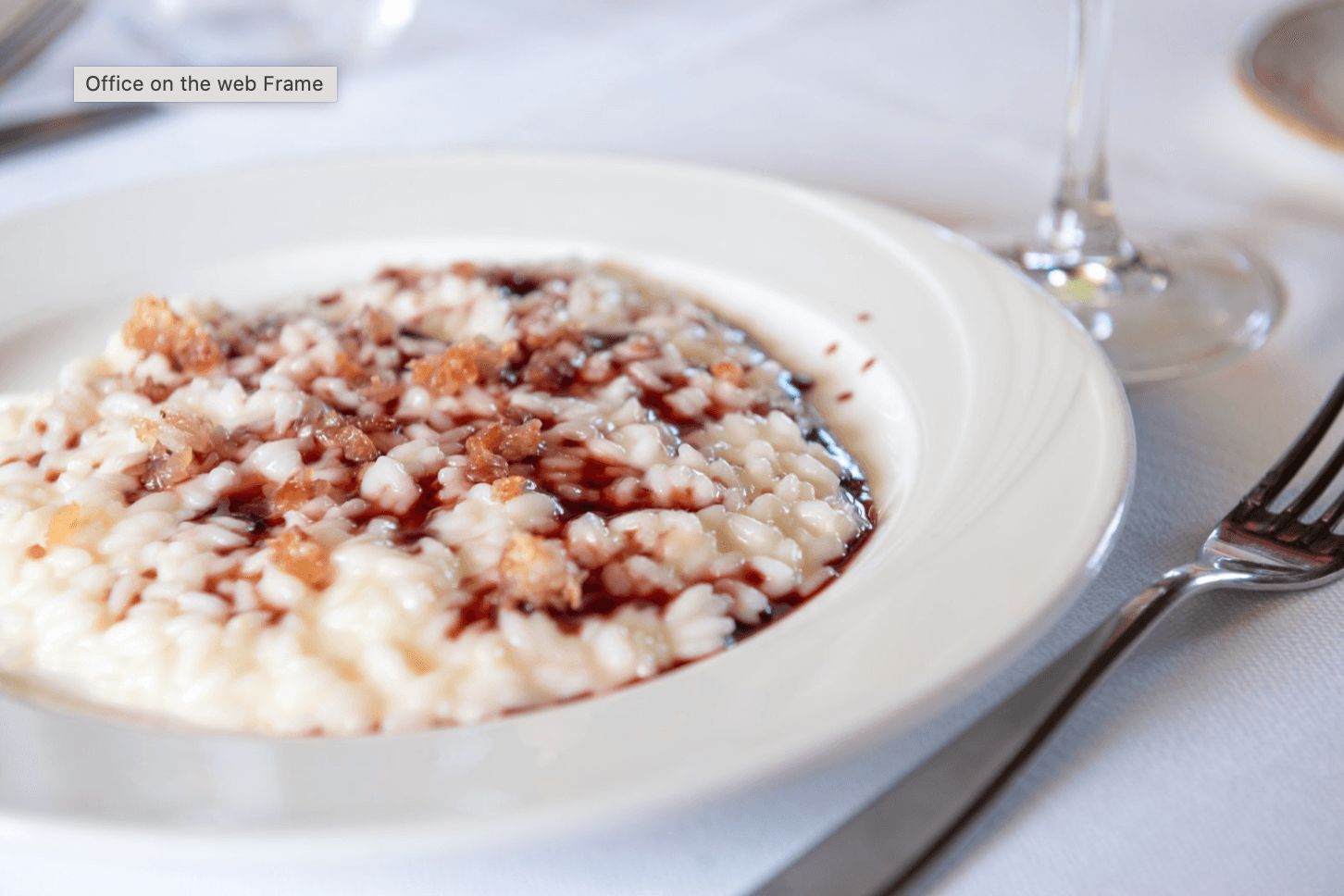
Risotto rice: the quality that makes the difference
In fact, of all four types of rice, long A rice, as defined by the Ente Nazionale Risi, has managed to become known and appreciated around the world thanks to its properties. The types that fall into this group are the stars of Italian-style risottos, a true icon. Varieties belonging to the long A type group have a grain with a length greater than 6 millimeters, but a ratio between length and width greater than 2 and less than 3.
These numbers are accompanied by the organoleptic characteristics, which give this raw material everything it needs to become the undisputed star of the cuisine of some territories characterized by specific industrial districts. The main distinctive feature of long-grain A rice is its ability to bind condiments together, giving the broth a unique creaminess thanks to the starch that is released into the liquid in which it is cooked. The magic happens thanks to a delicate balance in which the protein structure is combined with the grain's ability to retain its shape during cooking.
Carnaroli: innovation born of crisis
The wide selection of Italian rice varieties is not a coincidence; it demonstrates the Made in Italy gastronomic tradition that also involves research and innovation. There are three most famous types of rice for Italian risotto: Arborio, Baldo, and Carnaroli, with the latter recognized as the “King of Rices.” An important name that found success thanks to the intuition of Emiliano Carnaroli, a farmer who helped create not only a variety of rice, but a true Made in Italy icon.
The history of Carnaroli is unique and begins in the 1940s in the Italian rice fields. The crisis of the brusone, a fungus that decimated crops, hit the cultivation of this product, and Italy decided to take action through innovation. This rice variety, named in his honor, was created through the experiments of Emiliano Carnaroli, who held the position of Commissioner of the Ente Nazionale Risi in those years.
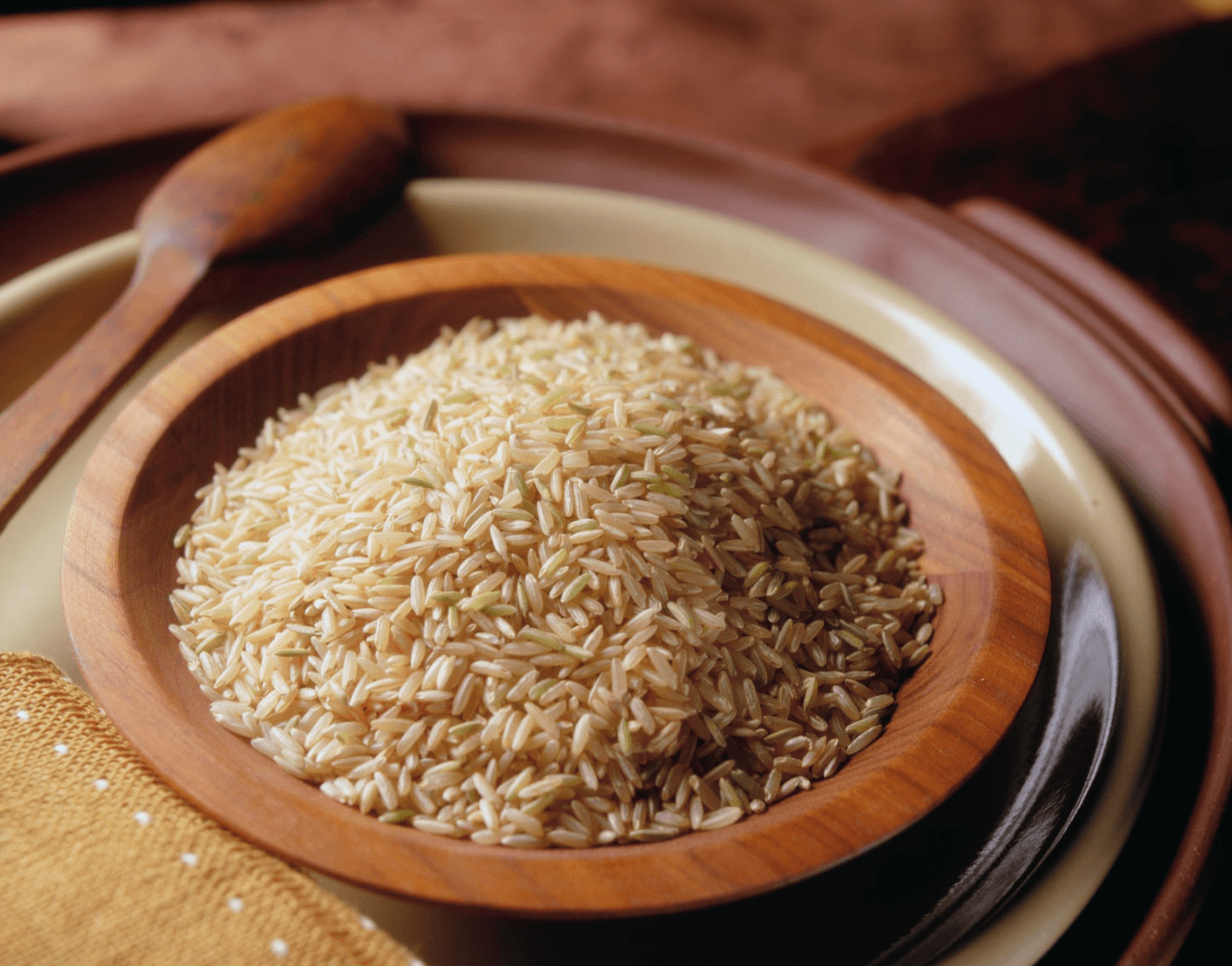
Before the risotto comes the choice of the grain
In those years, the professor was leading a team tasked with identifying a variety of grains that were resistant and capable of saving the crops of this product. That research work gave rise to Carnaroli, which came from the field to the table thanks to the crossbreeding of two different species of Italian rice. The main difference from other varieties is a different length compared to the most common types.
However, the story of Carnaroli tells of something more than the birth of a variety. It represents an Italian way of building quality, connecting agricultural observation, research and gastronomic culture. Innovation has made it possible to identify precise characteristics; tradition has transformed them into shared knowledge, which is also safeguarded through the preservation of pure seed by the Ente Nazionale Risi.
Risotto, an Italian language that speaks to the world
From the rice fields to the table, Carnaroli thus becomes a symbol of Made in Italy: not an excellence entrusted only to reputation, but the result of expertise, selection, and the ability to enhance the raw material. In risotto, as in Prosecco and other DOC products, this heritage takes shape and shows how Italian know-how can transform research into a gastronomic identity that is recognizable even beyond national borders. OpportunItaly helps make this value visible, creating connections for the companies that represent the country's agri-food expertise. To showcase the quality of your company and meet new global contacts, join the program.
Sources:
Ente Nazionale Risi
In summary
Carnaroli was created through a process of crossbreeding and selection initiated in 1939 by rice farmer Ettore De Vecchi, starting with the Vialone and Lencino varieties.
The aim of the experiment is to combine in a single rice the texture of the grain, its firmness during cooking, and its ability to absorb and enhance seasonings.
After successive trials in rice fields, a variety particularly suitable for risotto took shape in 1945, capable of maintaining its identity and binding with the other ingredients.
The preservation of pure seed by the Ente Nazionale Risi contributes to passing on the characteristics obtained through selection work.
Carnaroli represents the Italian know-how that combines agricultural research and gastronomic tradition, transforming expertise in raw materials into Made in Italy quality that is recognizable even beyond national borders.
FAQ