



Italian cosmetics become more sustainable thanks to nanotechnology
An Italian patent transforms whey into membranes rich in bioactive substances, combining the dairy industry, biotechnology, and the circular economy
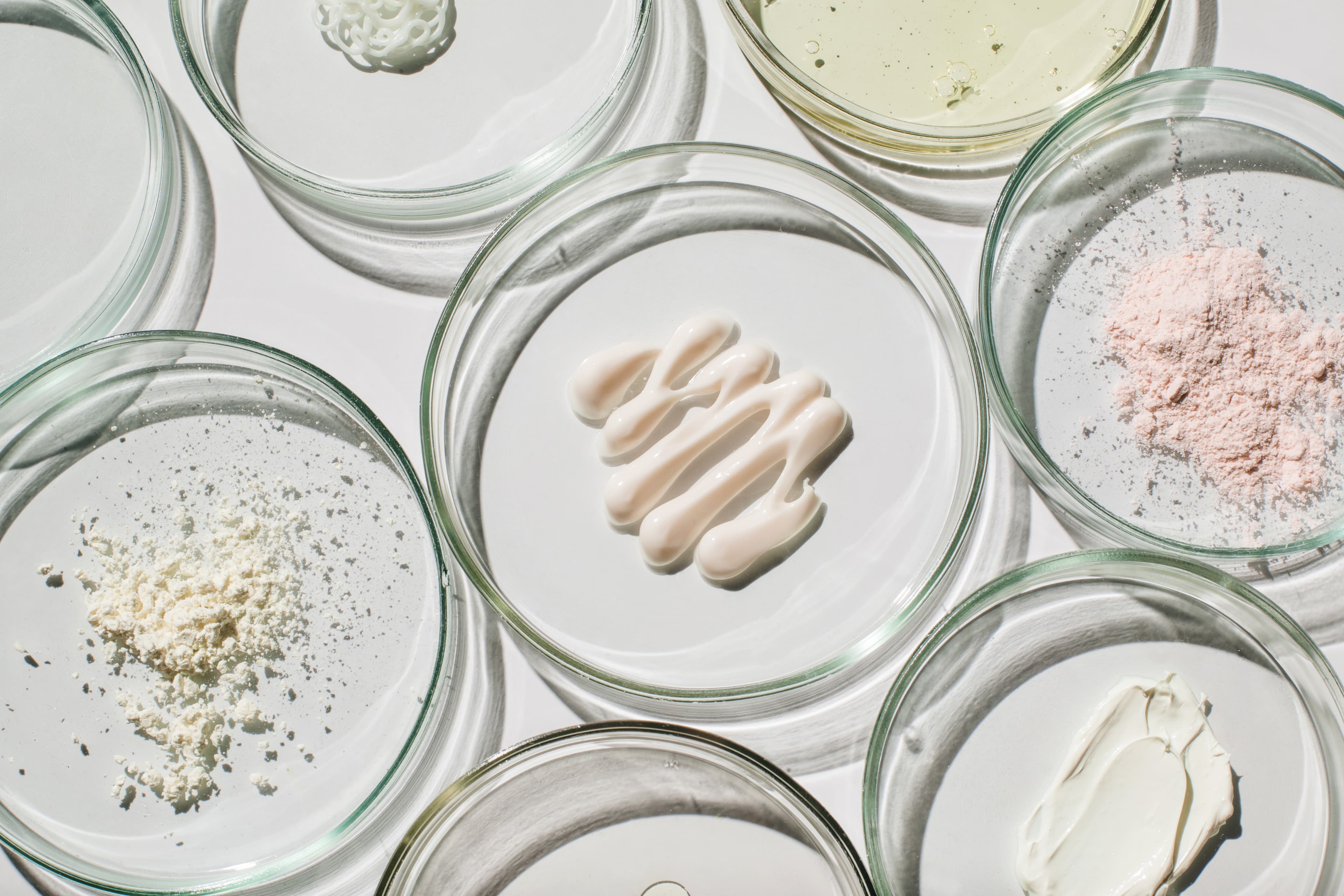
When scientific expertise meets entrepreneurial vision, innovations emerge that have the potential to transform an industry. That is exactly what is happening in Italy, where a startup is making Italian cosmetics more sustainable through the use of nanotechnology. The goal is simple: to transform a waste product into a thin membrane that can be used in skincare.
At the heart of the process is whey, a by-product of the dairy industry that is traditionally difficult to valorize. Through a system based on electrospinning and nanotechnology membranes, the project recovers proteins, vitamins, minerals, and other bioactive substances for use in products such as face masks and patches. A story that demonstrates how beauty can become truly circular by starting with a material that an industrial supply chain has not yet been able to fully utilize.
From whey to a new cosmetic material
After cheese production, whey retains many of the naturally occurring components found in milk. The challenge is its perishability: it must be collected and processed quickly to preserve its biological properties.
This Italian patent addresses precisely that challenge. The whey is collected immediately after cheesemaking, purified, and kept in its liquid state, avoiding the need to rely exclusively on ingredients that have previously been converted into powder. In this way, the substances present in the liquid can be captured by specially designed membranes that retain them.
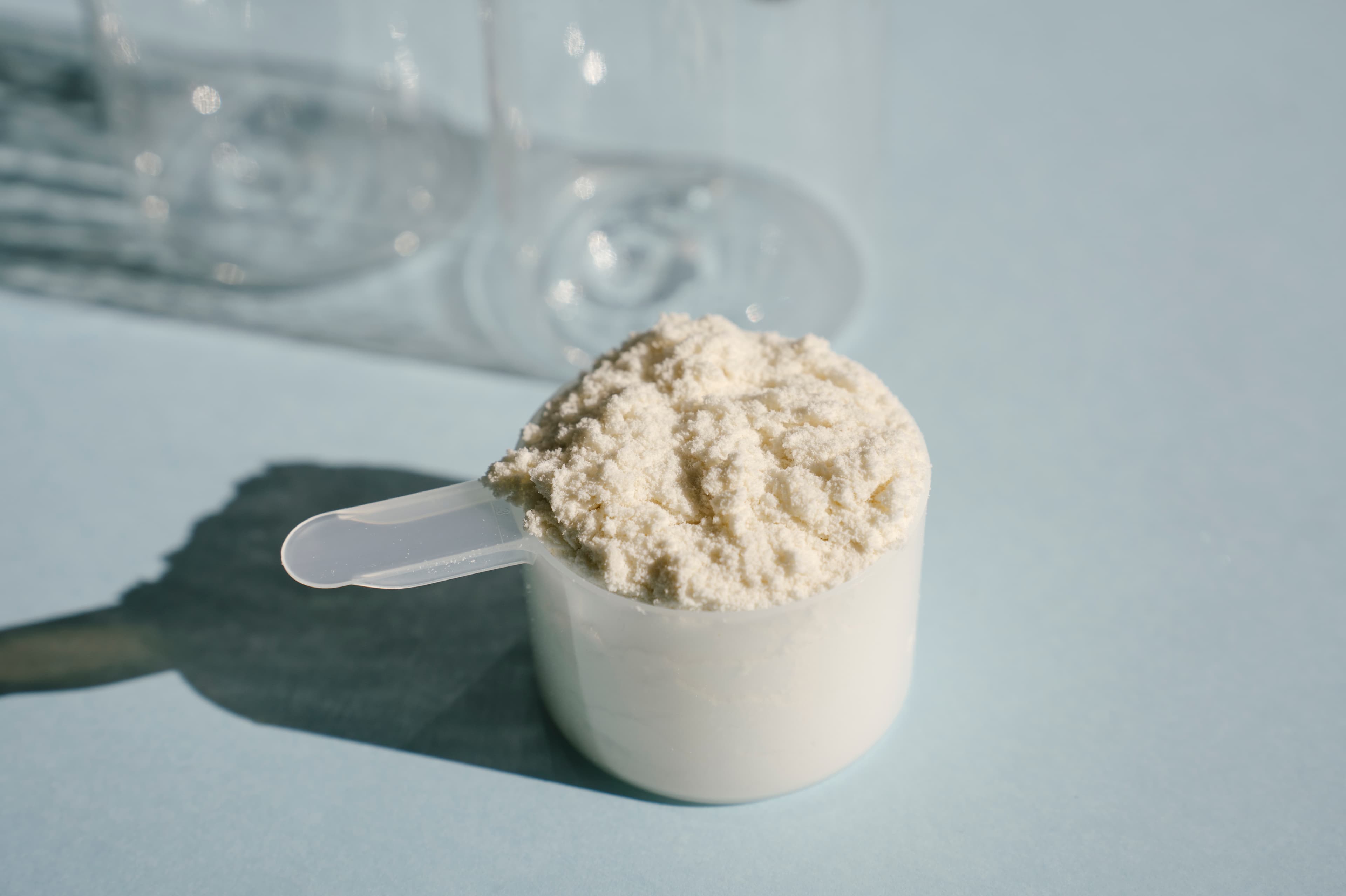
The result is a matrix enriched with proteins, amino acids, vitamins, and minerals. Rather than simply being a waste product to manage, it becomes a raw material that can be used to create substrates for skincare and, potentially, other applications, including nutraceuticals.
How electrospun nanotechnology membranes work
The heart of the innovation is not a single cream or finished cosmetic product. It is the process itself that represents the key innovation. A machine uses the electrospinning technique to produce membranes composed of extremely fine fibers. During filtration, these membranes retain the bioactive components of the whey while separating an aqueous fraction that can be reused in dairy production processes or in agriculture.
Once filtration is complete, the membranes are not discarded. Enriched by the recovered substances, they can be transformed into skincare products. The filtering function and the final product are therefore combined in a single material. For this cycle to operate efficiently, however, the technology must be used close to where the whey is produced, before its rapid deterioration compromises its value.
Sustainable cosmetics begin at the dairy
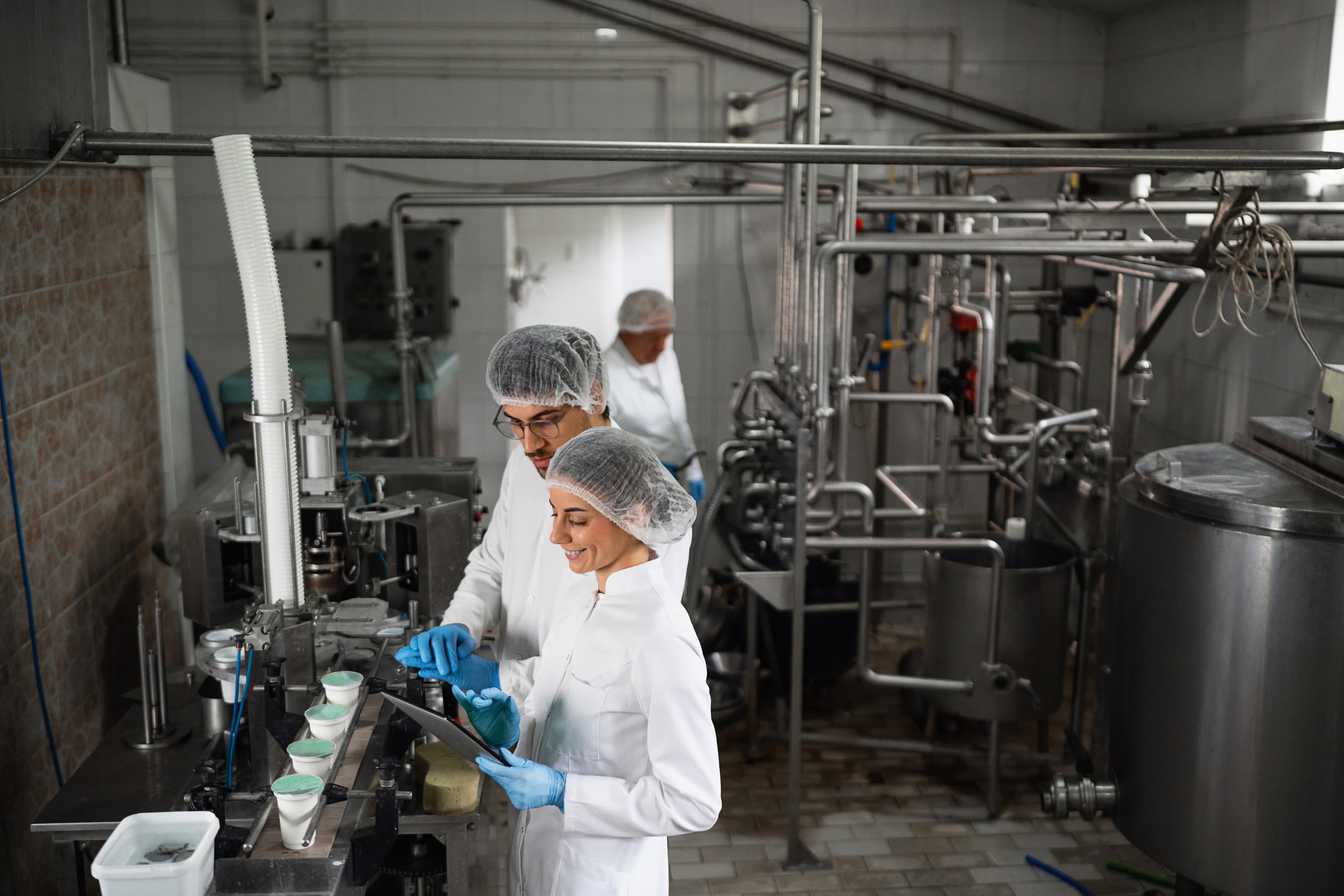
This need led to the decision to use compact systems that can be installed directly at dairy processing facilities. Processing the whey on-site optimizes the process by reducing costs and eliminating the need to transport a highly perishable product over long distances.
Operating locally is therefore not simply an added benefit—it is an integral part of how the innovation works. On one hand, it enables water to be recovered and returned to production cycles; on the other, it transforms the membranes used during filtration into new materials ready for the market.
The strength of this patented technology lies in the sustainability of an innovation that helps make the cosmetics industry more responsive to environmental challenges. The entire resource life cycle demonstrates how cosmetics can become more sustainable through environmentally responsible sourcing, processing, and resource recovery. The environmental value is not added at the end—it is built into the process from the very beginning.
Biotechnology and Italian natural cosmetics
The research behind the patent was developed in northern Italy, a region with a strong dairy tradition, and in Tuscany, where the engineering components for the electrospinning equipment were developed. This combination of biotechnology, mechanical engineering, and expertise in raw materials opens new opportunities for the Italian natural cosmetics industry. The substances used are not created separately and then added to a formulation; instead, they are recovered from a resource already present within the agri-food supply chain.
The project is part of a manufacturing ecosystem in which Italian cosmetics companies increasingly collaborate with expertise from the fields of chemistry, biomedicine, agrifood, and materials science. This interdisciplinary approach also characterizes other Italian innovation ecosystems, such as the Mirandola Biomedical District.
From the circular economy to a new beauty supply chain
The ability to connect the sectors traditionally associated with Made in Italy, which usually belong to different industrial fields, is the patent’s true potential. It is not limited to a single product; rather, it enables the needs of different value chains to enter into dialogue with one another. The dairy industry’s need to manage its by-products thus converges with the cosmetics industry’s need to combine traceability, effectiveness, and environmental responsibility.
It is precisely in the meeting of different supply chains that a new value is created. A liquid by-product becomes a raw material, the recovered water returns to the production cycle, and the filtration material is transformed into a cosmetic substrate. Circularity is more than recycling—it means designing a process in which each stage prepares for the next. This approach can contribute to the evolution of the Italian cosmetics industry by strengthening a manufacturing culture built on collaboration among research, manufacturing, and local communities.
Italian research as a bridge to new markets
This Italian patent, focused on reusing waste by-products, exemplifies a hallmark of Made in Italy: recognizing the untapped potential of a familiar material and reimagining it through scientific and engineering expertise. It is more than a new application for whey; it is a model in which sustainability becomes a production technology capable of creating connections across different sectors.
Addressing environmental challenges and optimizing production processes is essential for companies, which can rely on Italian expertise to integrate experience, creativity, and quality into their value chains. OpportunItaly connects international buyers seeking to work with leading players in the Made in Italy wellness industry. Join the program to discover services tailored to your needs.
Sources:
la Repubblica
In summary
An Italian startup has developed a patented process to enhance the value of whey produced by the dairy industry.
The whey is collected fresh, stabilized, and filtered through nanotechnology membranes.
The membranes retain proteins, amino acids, vitamins, and minerals, while the process releases clean water that can be reused.
The membranes, enriched with bioactive substances, can be transformed into face masks or skincare patches.
Compact production lines can be installed near dairy plants, creating a direct link between the dairy, cosmetics, and biotechnology industries.
FAQ