



Precision agriculture in Italy: innovation, use cases and future challenges
Italy's precision agriculture market has reached €2.5 billion, growing at 19% per year — and 72% of farms are already using at least one digital technology.
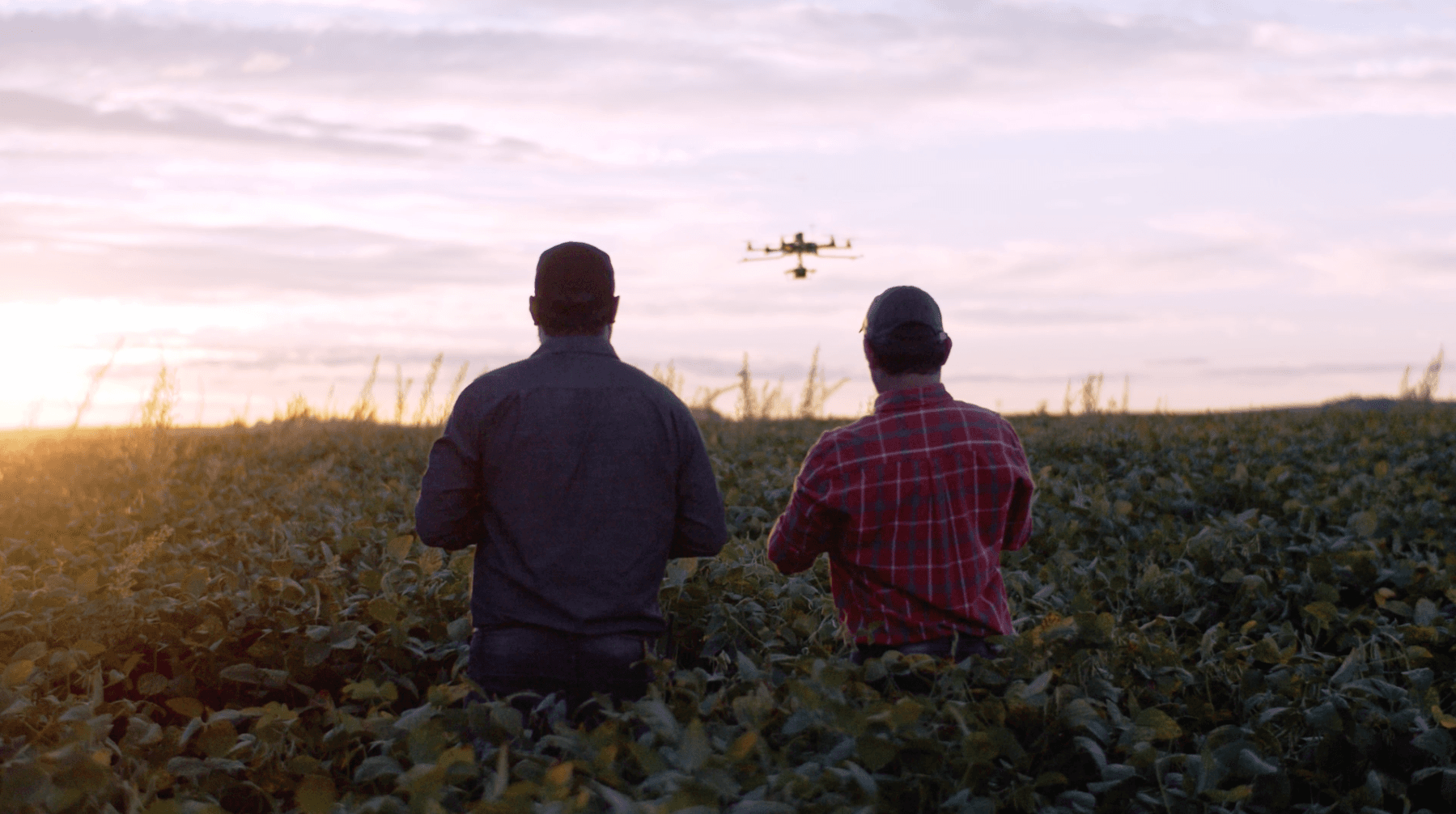
Precision agriculture is a data-driven approach to farm management that uses digital technologies (including IoT sensors, artificial intelligence, big data and drones) to optimize resources, reduce waste and increase productivity sustainably. Italy is becoming a reference point in Agriculture 4.0, where digital technologies and sustainability intertwine. Tools such as IoT, big data, artificial intelligence, and supercomputing are transforming the sector, optimizing water resources, reducing the use of fertilizers and pesticides, improving productivity, and strengthening climate resilience. In this new context, the farmer becomes a true digital land manager, capable of making decisions based on real-time data.
Precision agriculture in Italy: market size and growth
According to the ICSC 2024 Observatory, Italy ranks among the most dynamic European countries in the development of precision agriculture. The market reached €2.5 billion in 2023, recording an annual growth rate of 19%. This is not an isolated trend: globally, the sector is expected to grow by an average of 10.7% per year through 2031.
Furthermore, 72% of Italian farms already use at least one digital technology, and more than half integrate multiple solutions at the same time — a widespread adoption that marks the shift from experimental tools to established practices.
Precision agriculture technology: IoT, AI and smart farming
Precision agriculture is based on a constantly evolving technological ecosystem.
IoT sensors and remote sensing systems enable continuous monitoring of soil, crops, and microclimatic conditions, while big data and artificial intelligence allow predictive analysis of massive datasets — making it possible to anticipate diseases, estimate yields, and plan targeted irrigation. AI applied to agriculture is part of a broader landscape of Italian innovation: from manufacturing to logistics, Made in Italy robotics is redefining the role of AI across productive sectors.
Supporting these processes is supercomputing, which enables the modeling of complex climate systems and real-time optimization of resource management.
Equally crucial is variable-rate technology, which precisely controls water, fertilizers, and treatments, reducing both costs and environmental impact. Looking ahead, quantum computing opens up even more ambitious scenarios, offering the ability to simulate complex agricultural systems with unprecedented precision.
Precision agriculture companies in Italy: real-world cases
Italy already serves as a testing ground for projects that demonstrate the tangible benefits of precision agriculture.
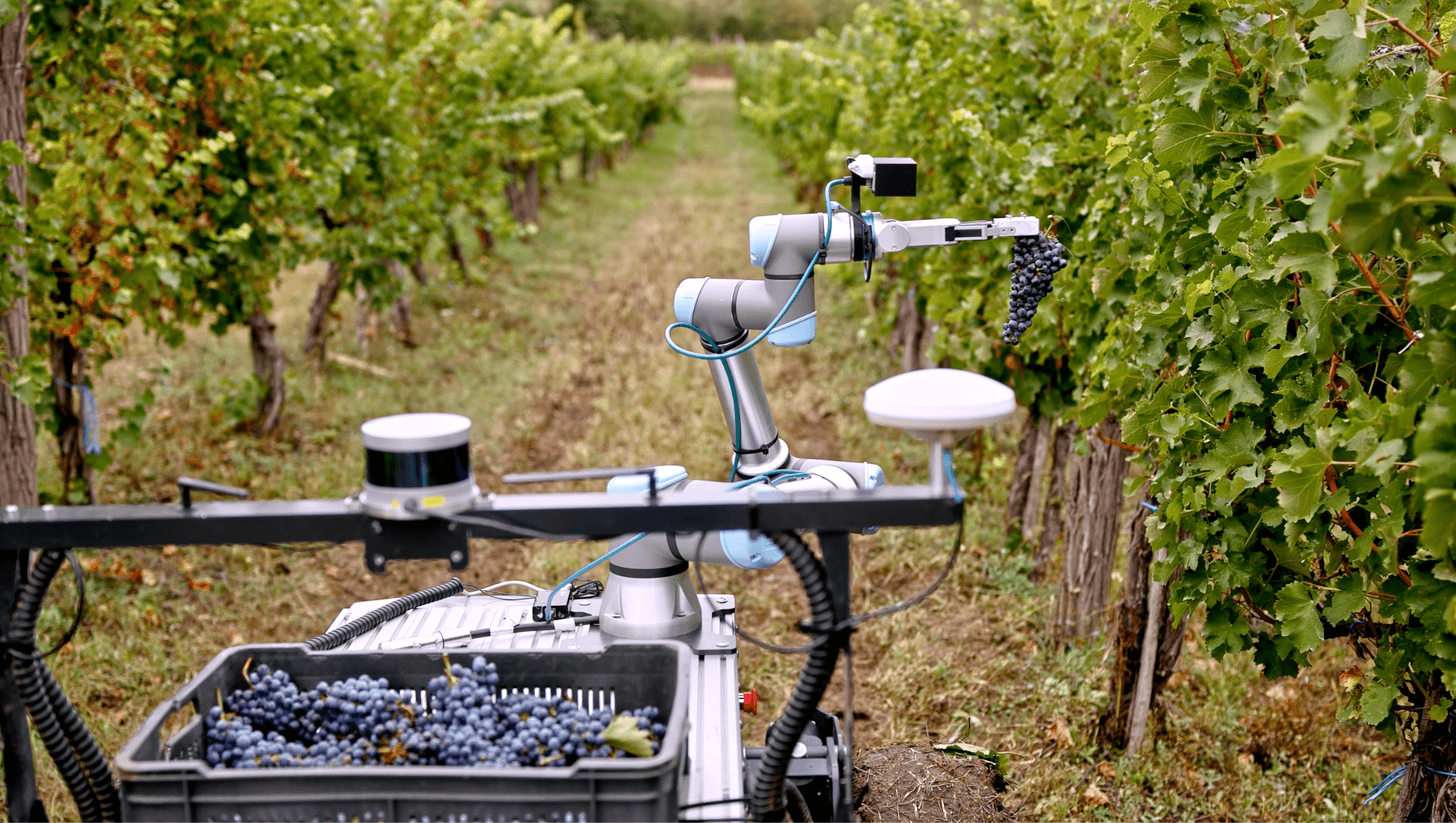
For example, Olivair is a drone designed to facilitate olive harvesting on steep terrain, reducing costs by around 30%. Even more visionary is SOW (SowStain – Digital Twins for Precision Agriculture), which introduces digital twins into agriculture — virtual models of crops that enable real-time simulations and pave the way for increasingly targeted and efficient decision-making. These italian precision agriculture companies demonstrate how research is being translated into concrete field applications.
The future of precision ag: regenerative farming and beyond
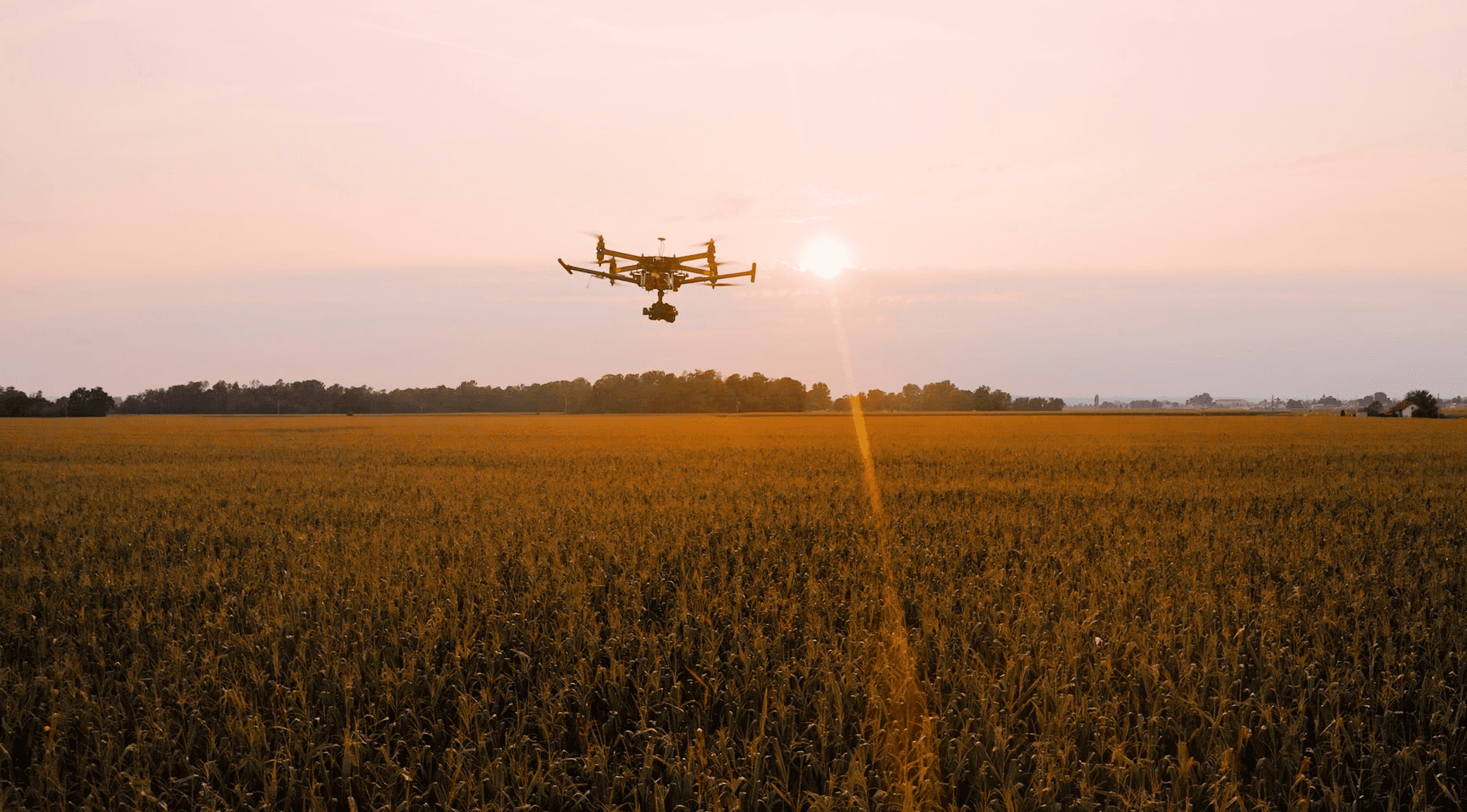
Precision agriculture is no longer a distant horizon but a concrete reality. Italy possesses the scientific expertise, innovative startups, and research institutions needed to play a leading role in the global agritech landscape.
Within this framework, regenerative agriculture plays a key role — an approach that aims not only to produce better but also to restore soil health, increase biodiversity, and reduce climate impact. The international competitiveness of Italy's agri-food sector is also at stake here. Italian fresh produce - which made Italy the leading exhibitor at Fruit Logistica 2026 with 380 companies out of 2,458 total exhibitors - can find in precision agriculture a measurable competitive edge in quality, traceability and waste reduction.
The challenge ahead? To transform these technologies from “additional tools” into systemic components of the agricultural sector, capable of combining productivity, sustainability, and quality.
Discover the full potential of the agritech sector through reports and exclusive content available to members of OpportunItaly. Join the program and access insights, tools, and opportunities to grow your innovation beyond national borders:
Summary:
Precision agriculture uses IoT sensors, artificial intelligence, big data and drones to optimise resources, reduce waste and increase productivity
In Italy, the market reached €2.5 billion in 2023, growing at 19% per year (ICSC Observatory 2024)
72% of Italian farms already use at least one digital technology; more than half integrate multiple solutions simultaneously
Real-world examples: the Olivair drone cuts olive harvesting costs by 30%; the SOW project brings digital twins to Italian crops
Italy aims to become an international agritech leader, combining technological innovation, regenerative agriculture and Made in Italy quality